
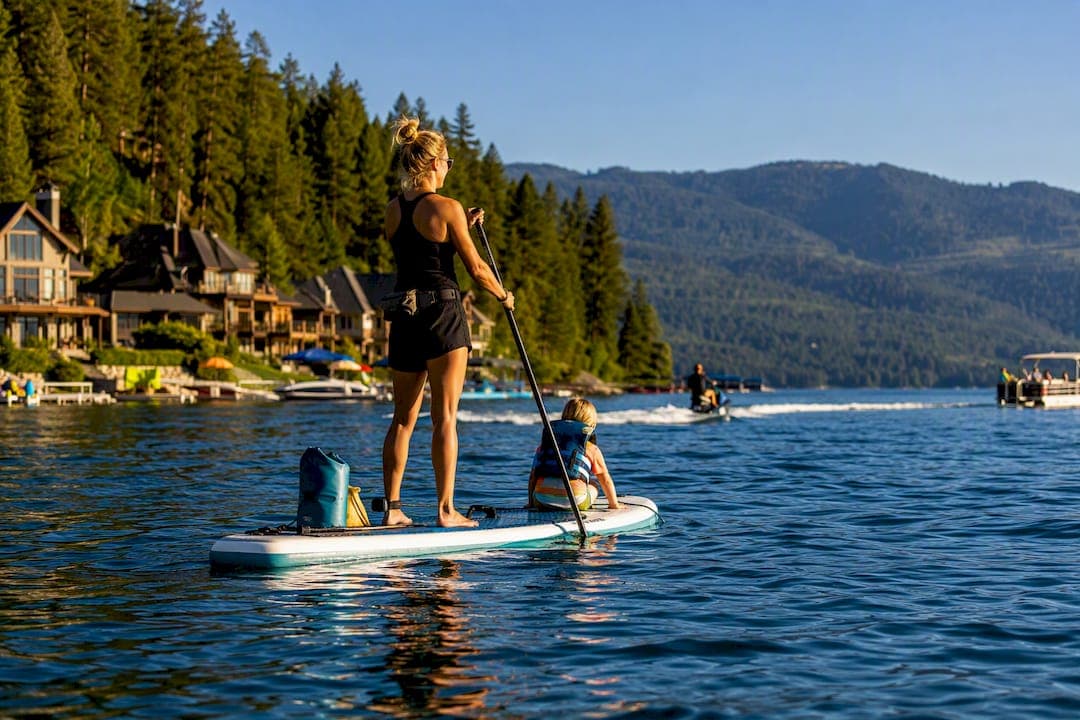
The single biggest thing you can do for eco friendly boating in Spokane is simple: run at low wake near shorelines and shallow flats, never discharge sewage, and check your gear for invasive species before you launch. Spokane Riverkeeper tracks water quality on the river, Pumpout Washington maps legal waste disposal, and Golden Water Sports can brief you on local rules at pickup. Wake, sewage, and hitchhiking invasive species cause most of the preventable damage on these waters.
TL;DR:
- Boaters should minimize wake near shorelines and shallow areas to prevent sediment resuspension and bank erosion, especially in confined channels.
- Using pump-out stations and inspecting gear for invasive species before travel reduces pollution and biological threats to local ecosystems.
- Slowing down and staggering boat traffic during peak hours can significantly improve water quality and reduce sediment disturbance.
- Proper fueling practices, engine tuning, and biodegradable cleaning products contribute to cleaner water and healthier habitats.
- Participating in local cleanup events and reporting spills help maintain the water quality and support the region’s sustainability efforts.
Table of Contents
- What Does Sustainable Boating Spokane Actually Require Day to Day?
- Where Can You Boat Responsibly Around Spokane?
- What Are the Best Eco Boating Practices for Fuel, Engines, and Waste?
- What Does Local Research Show About Boat Traffic Impact?
- How Do You Get Involved in Local Water Stewardship?
- What Should You Check Before Every Launch?
- Our Take on Renting Responsibly in Spokane
- Ready to Rent With Low-Impact Habits Built In?
- Sources
What Does Sustainable Boating Spokane Actually Require Day to Day?
A workable eco-boating routine breaks into five stages, and skipping any one of them is usually where the damage happens. Here's the sequence that covers it:
- Before you launch: Check the USGS gauge for the Spokane River, read any local advisories, confirm invasive-species rules for your route, and pack a spill kit plus extra trash bags.
- On the water: Slow down over shallow flats and near eelgrass beds, avoid repeated passes along the same stretch of shoreline, and keep all loose gear and trash secured so nothing blows overboard.
- Fueling and maintenance: Fill tanks to about 90% capacity to prevent overflow, keep an absorbent pad under the fuel port, and keep your engine tuned so it burns cleaner and quieter.
- Waste management: Use a pump-out station or a portable toilet system. Washington law treats sewage discharge as illegal in most local waters, not optional courtesy.
- After your trip: Inspect hulls, trailers, and gear for weeds or mud, drain all compartments, and dry or decontaminate equipment before your next outing, especially if you're crossing into Idaho waters.
Green boating options in Spokane aren't complicated. They're mostly about timing and attention, not equipment upgrades.
Where Can You Boat Responsibly Around Spokane?
Not every stretch of water suits every kind of trip, and picking the right one does more for water quality than any single piece of gear.
- Quieter arms of Long Lake and the calmer paddling sections of the Spokane River Water Trail suit kayaks, canoes, and paddleboards well, since these zones see less prop wash and fewer competing wakes.
- Busier motorized stretches near popular public docks demand real spacing discipline. Stagger your run times and give other boats and swimmers room instead of threading tight lines through traffic.
- Flow changes tied to dam operations at Post Falls, Long Lake, and Little Falls shift navigation difficulty through the season. By late July, some Water Trail sections can drop below 600 cfs, turning an easy paddle into a scrape-your-hull situation.
- Golden Water Sports keeps a running list of paddleboard launches with permit alerts and a broader roundup of boating lakes near Spokane worth checking before you commit to a route.
If you're planning a family trip, one shortcut helps: pick a launch known for calm water and easy shore access rather than fighting current in an unfamiliar channel.
What Are the Best Eco Boating Practices for Fuel, Engines, and Waste?
Environmentally responsible boating comes down to a handful of habits that cost you nothing but attention. Fuel handling is where most avoidable spills happen: fill to roughly 90% capacity, never top off, and keep an overflow-prevention device or absorbent pad under the fuel port every time. A tuned engine burns fuel more completely, which means less unburned fuel and exhaust residue ending up in the water column.
On the maintenance side, Washington State Parks' Green Boating guidance recommends biodegradable cleaners and careful bottom paint choices, since standard copper-based antifouling paints leach metals that accumulate in sediment over time. SeaKeepers echoes the same core habits: sustainable maintenance products, minimizing fuel consumption, and staying conscious of your wake at all times.
Sewage handling has a clear answer: use pump-out stations or a portable toilet system, since Pumpout Washington makes "Pump Out, Don't Dump Out" the standing rule across most Washington waters, not a suggestion. Where public pump-outs run scarce, plan shorter trips or bring a portable system rather than gambling on availability.
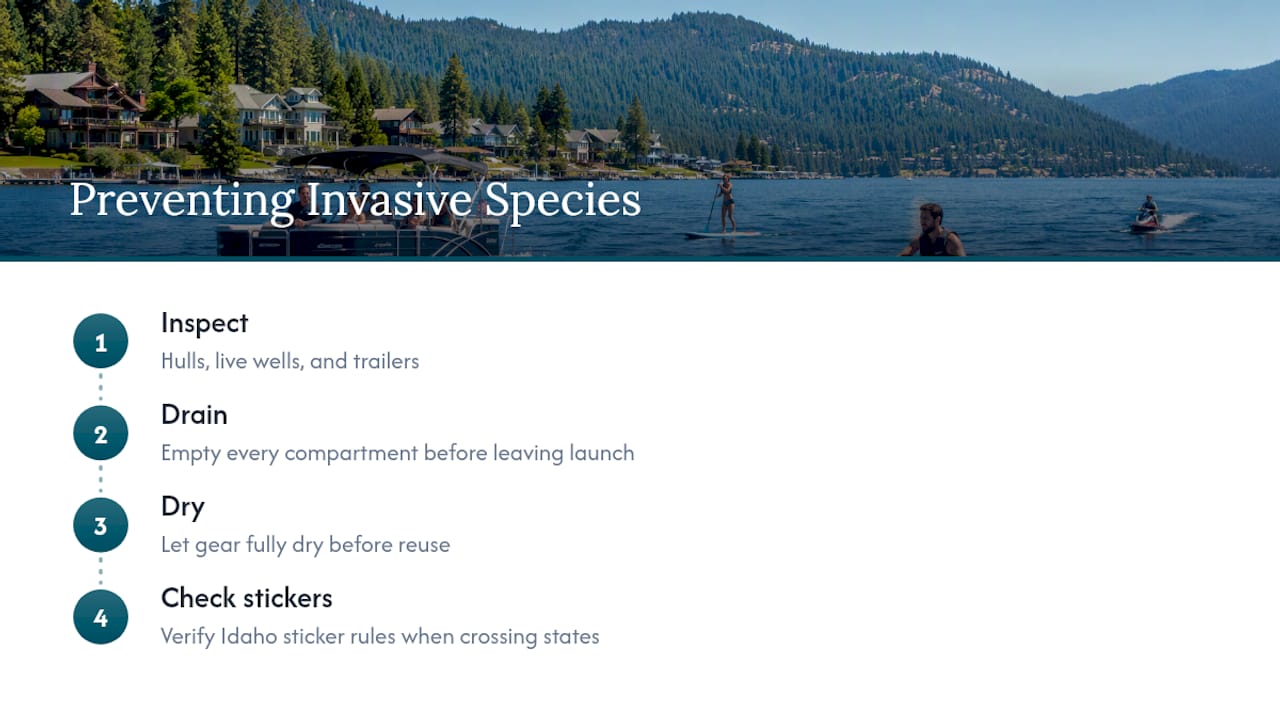
Invasive species prevention follows the same three steps everywhere: Inspect, Drain, Dry. Check hulls, live wells, and trailers for weeds or standing water, drain every compartment before you leave the launch, and let gear dry fully before it touches another body of water. If you're crossing into Idaho, verify your invasive species sticker requirements before you go, since Idaho and Washington run separate systems.
Pro Tip: The single habit that prevents the most local harm is avoiding repeated passes through the same narrow channel. One low-wake pass barely disturbs sediment; five passes in twenty minutes can resuspend a season's worth of settled metals and phosphorus.
What Does Local Research Show About Boat Traffic Impact?
The numbers behind this concern are more concrete than most boaters realize. During a 12-hour observation in 2024, researchers counted boats passing through on a single busy Spokane River day, and preliminary water-quality readings were consistently better before a boat passed than immediately after. That gap is the whole argument for slowing down near sensitive water.
Part of the reason comes down to geometry. Local reporting on the river traffic study describes a "bathtub effect" in confined stretches, where narrow banks trap and amplify wake energy instead of letting it dissipate the way it would on open water. That amplified wake stirs up sediment, resuspending legacy metals and phosphorus that had settled out of the water column.
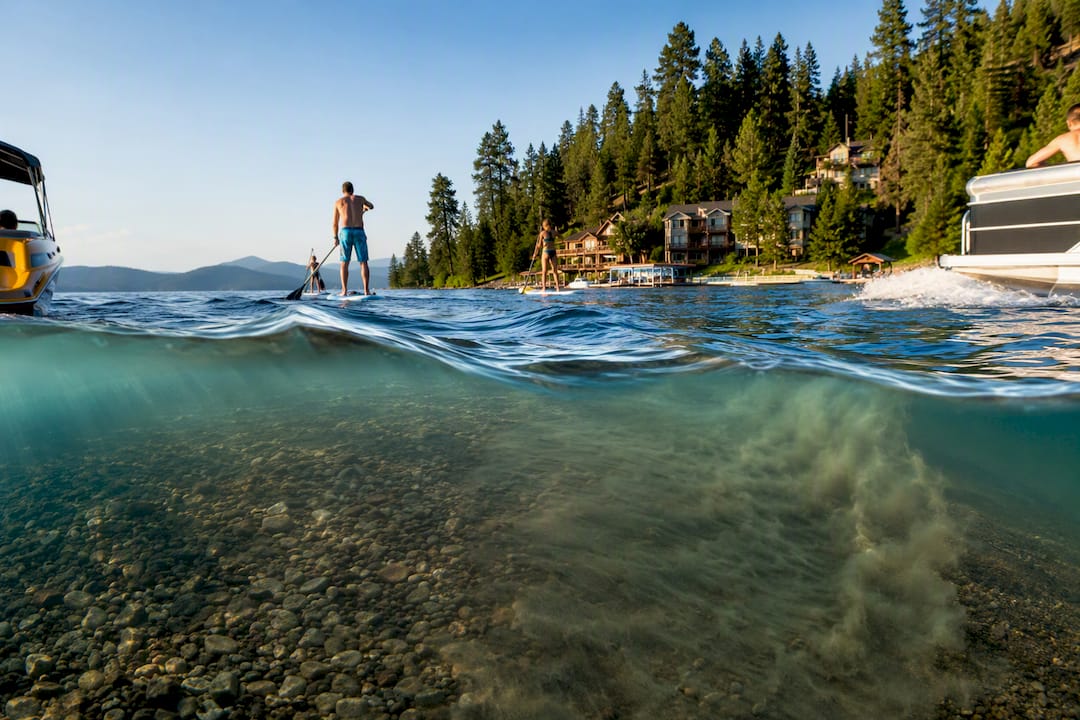
Practically, this means three things: avoid nearshore passes in tight channels, respect shallow habitat even when it looks like open water, and stagger transit times with other boaters rather than clustering runs during peak hours. Spokane Riverkeeper and USGS both track conditions in real time, and hotspots flagged by either source deserve extra caution, not just a shrug.
How Do You Get Involved in Local Water Stewardship?
Spokane Riverkeeper runs BYO-boat cleanup floats where participants bring their own non-motorized craft while organizers supply gloves, trash bags, and pickers. It's a direct way to see the river's problem spots firsthand instead of just reading about them.
- Bring a kayak, canoe, or paddleboard. Organizers typically cover cleanup gear.
- Find pump-out locations through Pumpout Washington or Clean Marina Washington resources before you head out for the day.
- Report a fuel or sewage spill directly to the WA Dept. of Ecology rather than assuming someone else will.
- Planning a group trip? Stagger your launch times and coordinate the outing so you're not running five boats through the same narrow stretch at once.
What Should You Check Before Every Launch?
Before you back the trailer down the ramp, check current flows and any closures through the USGS gauge, dam operator notices, or your local parks department. If your route crosses into Idaho, confirm your invasive-species sticker is current and displayed.
Life jackets are required for every rider, wake restrictions apply near shorelines and docks, and basic emergency gear (whistle, first-aid kit, flashlight) belongs in every boat regardless of trip length. For the latest rules, the WA Dept. of Ecology and your local parks office are the sources worth trusting over word of mouth.
Our Take on Renting Responsibly in Spokane
A local rental service in the Spokane Valley area provides watercraft with included safety gear. Staff walk renters through wake limits, no-discharge expectations, and local launch etiquette before keys change hands, because a five-minute briefing prevents most of the mistakes that end up in the water.
— Life is better on water.
Ready to Rent With Low-Impact Habits Built In?
Golden Water Sports gives you the gear and the local knowledge in one stop, which beats piecing together rules from three different agency websites the morning of your trip. Their available watercraft include jet skis, ski boats, pontoon boats, and paddleboards, with safety equipment provided and flexible rental periods.
Ask your pickup team for a quick eco-briefing covering wake zones, pump-out locations, and invasive-species checks for wherever you're headed that day. Whether you're aiming for Liberty Lake, Newman Lake, or the Coeur d'Alene shoreline, you can check availability and book your rental before you load the truck. If Liberty Lake is your destination, our Liberty Lake rental page has current pricing and pickup details ready to go.
Sources
- EXPLORE — Spokane Riverkeeper / newsroom findings
- Green Boating — Washington State Parks / Boating Program
- Pumpout Washington
- A Green Guide to Boating — SeaKeepers