
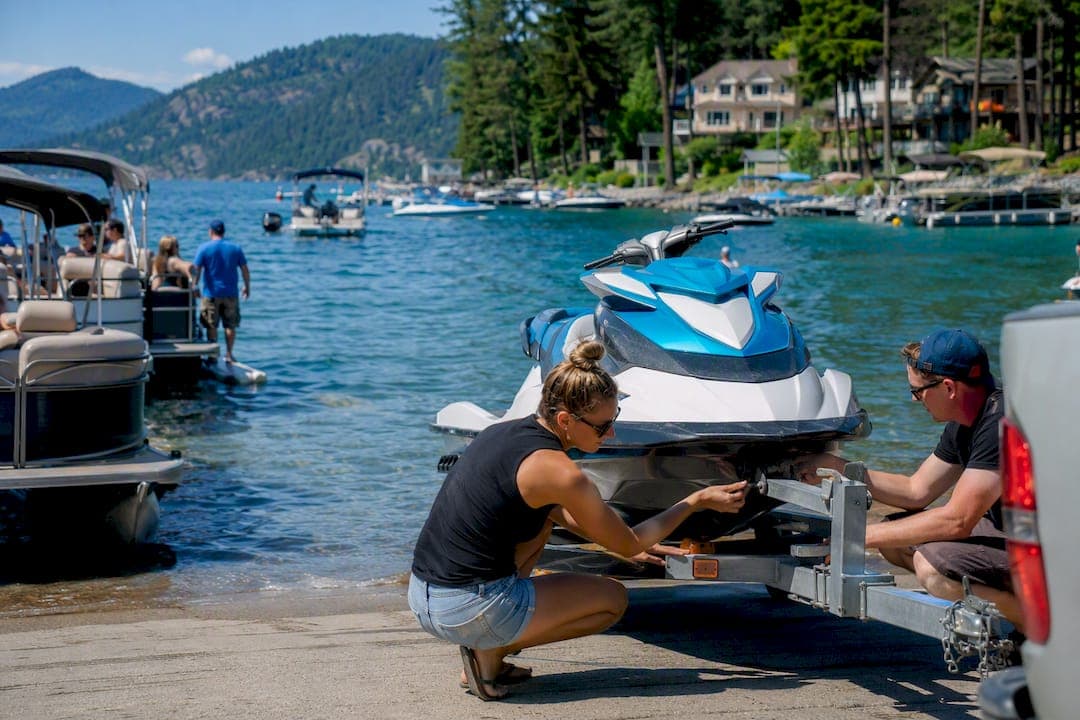
If you're launching a boat, kayak, or paddleboard in Idaho waters, you need either a current Idaho registration or an Idaho invasive species sticker before you hit the ramp. Buy one online through the Idaho Department of Parks and Recreation, at any Idaho State Park, or at regional service centers in Boise, Idaho Falls, and Coeur d'Alene. The only exemption covers non-motorized inflatables under 10 feet. Every sticker expires December 31, no matter when you bought it.
TL;DR:
- Boaters launching non-motorized inflatables under 10 feet do not need a sticker unless the vessel is larger or motorized, even if registered in Idaho.
- The invasive species sticker costs $30 for motorized vessels not registered in Idaho and $7 for non-motorized boats 10 feet or longer, with all stickers expiring December 31 each year.
- Inspection stations operate mainly from Memorial Day to Labor Day, and skippers must stop and get their vessel checked; failure to do so results in a citation.
- Properly attaching the sticker involves placing it on a rigid hull near registration decals or securing it with a zip tie or laminate for inflatables and SUPs.
- Most violations occur when boaters neglect routine cleaning, draining, and drying, which are crucial to preventing the spread of invasive species.
Table of Contents
- Where to Buy an Idaho Invasive Species Sticker
- Who Needs a Sticker, and Who's Exempt?
- What Does the Sticker Cost, and When Does It Expire?
- When and Where Do Inspection Stations Operate?
- How Should You Attach the Sticker to Your Boat?
- What Happens If an Inspector Orders a Hot-Wash?
- Where Can You Find Official Sticker and Inspection Information?
- How Golden Water Sports Handles Sticker Compliance for Renters
- Rent Instead of Managing Sticker Paperwork Yourself
- What the Sticker Rule Actually Protects
- Sources
Where to Buy an Idaho Invasive Species Sticker
The fastest option is the Idaho Department of Parks and Recreation's online sales portal, where you pay by card, print a temporary receipt, and receive the physical sticker by mail. That gap between purchase and delivery matters if you're launching within a day or two, so don't wait until the morning of your trip.
In-person options work better for last-minute plans:
- Any Idaho State Park office
- Regional service centers in Boise, Idaho Falls, and Coeur d'Alene
- Selected retail vendors near popular boat launches, including marinas and sporting goods stores
Phone and mail orders are also accepted through the Department of Parks and Recreation, though processing takes longer than buying in person. Whatever route you choose, snap a photo of your receipt or confirmation before you leave. A digital copy of your proof of purchase has saved more than one boater a headache at an inspection stop.
Who Needs a Sticker, and Who's Exempt?
Any nonresident watercraft launching on Idaho water needs a valid sticker unless it's already registered in Idaho. If your boat carries current Idaho registration, the invasive species fee is already folded into that annual cost, so you don't buy a separate sticker.
The exemption is narrow and specific:
- Your craft must be inflatable
- It must be non-motorized
- It must be less than ten feet in length
Meet all three, and you're exempt. Miss even one, and you need a sticker. A 9-foot inflatable kayak with no motor qualifies; a 9-foot inflatable with a trolling motor does not. Government agency vessels and commercial fleets typically operate under separate arrangements coordinated directly with state agencies, so check with your agency's fleet manager rather than assuming the standard rules apply.
What Does the Sticker Cost, and When Does It Expire?
By the numbers: A motorized vessel not registered in Idaho pays $30 for the invasive species sticker; a non-motorized vessel 10 feet or longer pays $7. Idaho-registered motorized boats pay nothing extra since the fee rides inside registration.
Every sticker, regardless of when you buy it, expires on December 31 of that year. Buy in June, and it's still dead on New Year's Eve. That surprises a lot of seasonal boaters who assume a sticker lasts twelve months from the purchase date.
Quick reference:
- Motorized, not Idaho-registered: $30
- Non-motorized, 10 feet or longer: $7
- Idaho-registered motorized boats: included in registration
- Renewal: required every calendar year, no exceptions
Group and commercial rates exist for outfitters and fleet operators, but those aren't posted in a simple table. Call the Department of Parks and Recreation directly if you're managing more than a couple of vessels.
When and Where Do Inspection Stations Operate?
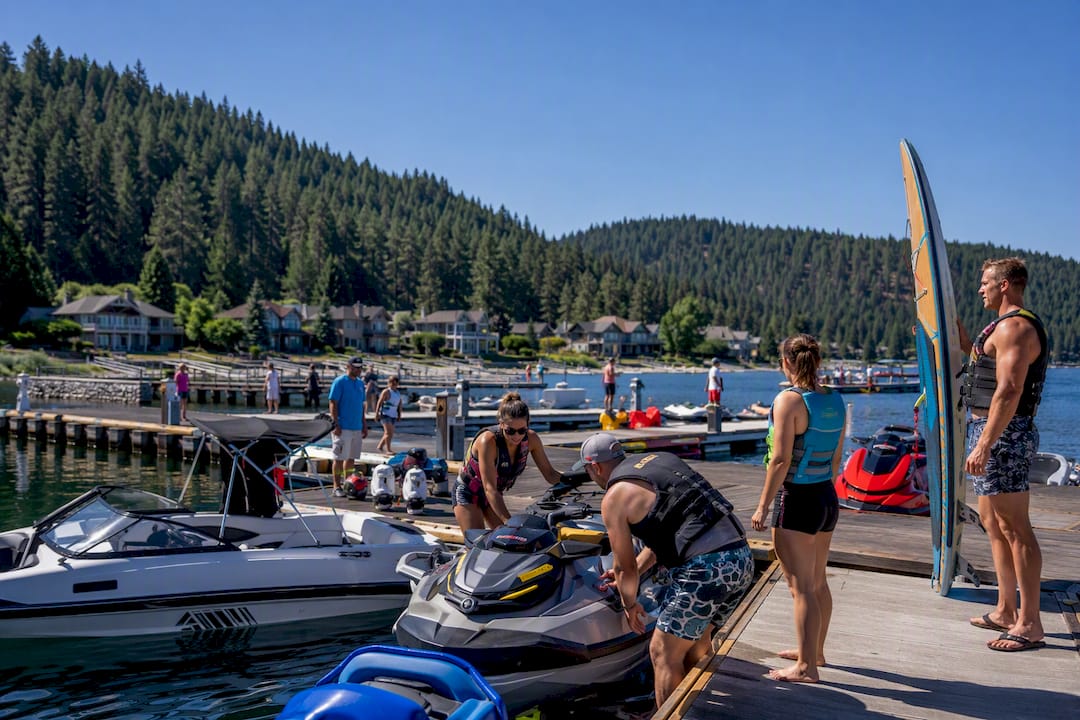
Idaho runs its watercraft inspection stations primarily from Memorial Day through Labor Day, concentrated near state borders and along major highways feeding into the lakes. Every boat, resident or not, must stop when a station is open and staffed. Skipping one isn't a gray area. It's a citation.
Here's what typically happens at the stop:
- An inspector checks your hull, motor, and any standing water for plants, mud, or visible organisms.
- They ask where you launched last and where you're headed.
- If your vessel came from out of state or shows signs of contamination, it may get flagged as high-risk.
- High-risk vessels get a hot-wash decontamination on the spot.
- The invasive species sticker fee covers that hot-wash cost, so you won't be billed separately.
Pro Tip: Clean, drain, and dry your boat and gear before you ever reach the station. Idaho's inspectors note that even paddleboards and kayaks carry hitchhiking species in leftover water, and a boat that's visibly dry moves through inspection faster.
Stations get busiest on summer weekends, so build in extra time if you're towing a boat cross-border on a Friday afternoon.
How Should You Attach the Sticker to Your Boat?
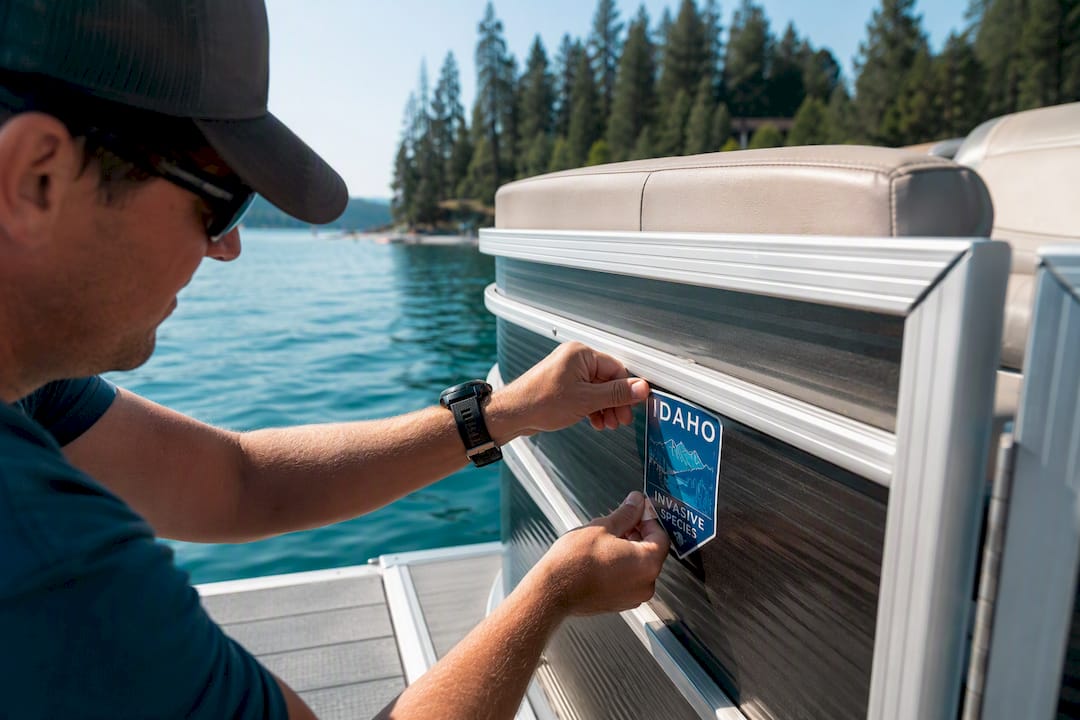
On a rigid-hulled boat, place the sticker near your registration decal or somewhere clearly visible from the water side of the hull. Inspectors look for it fast, and burying it under a rod holder just slows things down.
Inflatables, rafts, and SUPs need a different approach since there's no hard surface to stick to permanently:
- Slit the sticker and secure it with a small zip tie through a D-ring
- Laminate it into a hang tag clipped to a lanyard
- Mount it on a small placard, which is what most rental fleets use for durability
Always peel off last year's expired sticker. Leaving old stickers stacked on the hull confuses inspectors and can add minutes to your stop. Carry a spare zip tie or a strip of clear tape in your gear bag in case this year's sticker gets torn or waterlogged.
What Happens If an Inspector Orders a Hot-Wash?
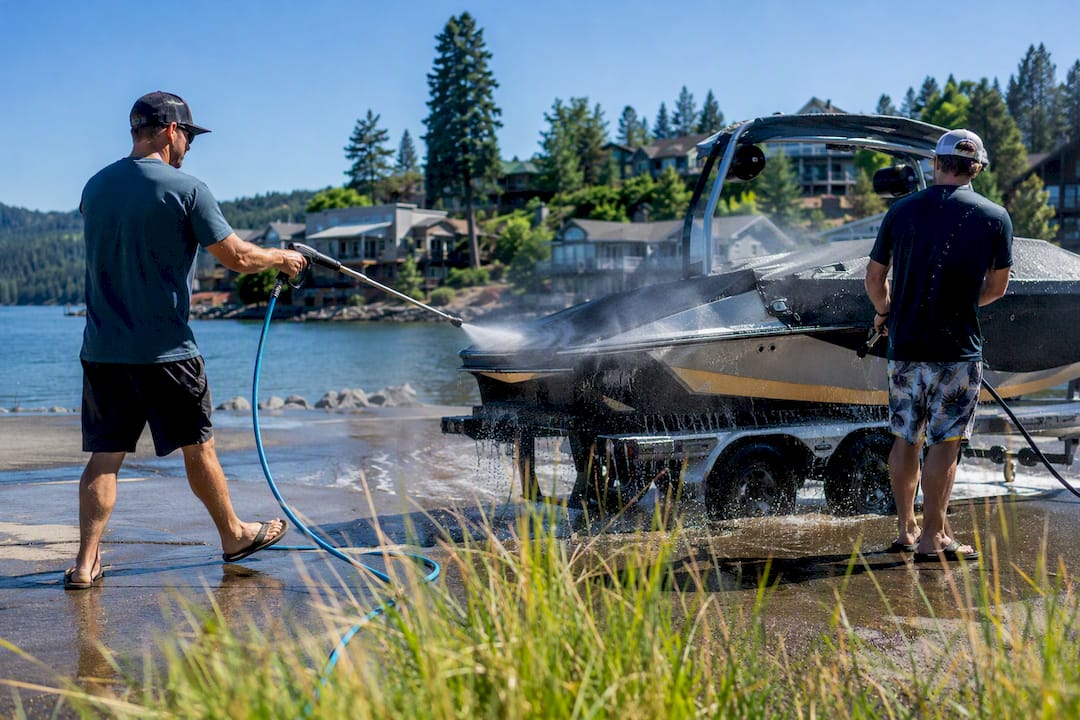
If your vessel gets flagged high-risk, the station performs the decontamination on-site, and the sticker fee already covers that cost. You won't get a separate bill.
Expect the process to add anywhere from a few minutes to half an hour, depending on how busy the station is and how much cleaning your boat needs. You can cut that time by pre-cleaning before you arrive and opening live wells, bilges, and storage compartments so inspectors can check them without extra effort on their part.
After a wash:
- Keep any paperwork or receipt the station gives you
- Note the station location and date in case questions come up later
- Contact the Idaho State Department of Agriculture if you need clarification on what triggered the flag
Charter operators and regional partners, including groups like Exotica Charters, publish their own biosecurity routines worth borrowing if you launch often.
Where Can You Find Official Sticker and Inspection Information?
For sticker purchases and vendor locations, go straight to the Idaho Department of Parks and Recreation, which administers all sales. Idaho Fish and Game does not sell stickers directly, even though many boaters assume it does.
- Sticker purchases and vendor locator: Idaho Department of Parks and Recreation
- Inspection station hotline and seasonal schedules: Idaho State Department of Agriculture
- Program rules and general FAQs: Invasive Species of Idaho
How Golden Water Sports Handles Sticker Compliance for Renters
Rental operators deal with this paperwork constantly, so the process gets streamlined fast. At Golden Water Sports, every rental craft already carries current, properly attached stickers, and staff preclean vessels between rentals so nothing ends up flagged at a station.
What you should bring to pickup:
- A photo ID
- Confirmation of your reservation
- Closed-toe shoes for launching
Nothing else. The sticker paperwork, the pre-clean, the compliance checks: that's handled before you ever touch the dock.
Rent Instead of Managing Sticker Paperwork Yourself
If dealing with fees, expiration dates, and inspection stops sounds like more hassle than you want on vacation, renting skips all of it. Golden Water Sports preps every jet ski, pontoon, and ski boat with current stickers and clean hulls before you ever step aboard, and staff can walk you through what local inspection stations expect if you're planning to explore beyond Coeur d'Alene.
Booking takes a few minutes online, and every rental includes safety gear, a launch briefing, and flexible hourly or multi-day windows depending on how much time you want on the water. Check current pricing and availability for Coeur d'Alene, or look at options closer to Liberty Lake if that's your home base this summer. Either way, the sticker question disappears the moment you book.
What the Sticker Rule Actually Protects
Boaters tend to treat the invasive species sticker as a tax, a $30 tollbooth on the way to the lake. That framing misses what's actually at stake. Idaho's lakes, Coeur d'Alene included, remain some of the few large Western waters that haven't been colonized by quagga or zebra mussels, and once those species establish, there's no removing them. Every dollar from that sticker funds the inspection stations that keep it that way.
The bigger blind spot is nonmotorized craft. Boaters obsess over motorized inspection compliance and forget that a damp kayak or SUP hauled in from a mussel-infested reservoir out of state is just as capable of seeding a new infestation. Idaho's rules treat a 12-foot inflatable kayak the same as a bass boat for good reason: the organisms that matter don't care what's carrying them.
What actually works isn't more enforcement. It's boaters treating "clean, drain, dry" as routine rather than an inconvenience imposed at a checkpoint. The sticker system only functions because most people comply voluntarily, not because Idaho has the staffing to catch every violator.
— Life is better on water.
Sources
- Invasive species sticker FAQs
- Watercraft Inspections — Idaho State Department of Agriculture (2026 press release)
- Invasive Species Boat Stickers - Idaho Fish and Game