

A successful first lake rental comes down to three decisions: picking the right boat, knowing the safety rules, and booking before the good dates disappear. First-time renters who skip any one of these steps end up frustrated before they ever leave the dock. The lake rental tips for first timers in this guide cover every step, from choosing between a pontoon and a tritoon to understanding what "waterfront" actually means on a rental listing. Whether you're heading to Lake Coeur d'Alene, Liberty Lake, or any other freshwater destination, this beginner's guide to lake rentals gives you the confidence to show up ready.
1. Which boats are best for first-time lake renters?
Pontoon boats are the top choice for first-time renters. They sit flat on the water, hold 10–12 passengers comfortably, and respond slowly enough that mistakes rarely become emergencies. That stability makes them far more forgiving than a ski boat or a personal watercraft.
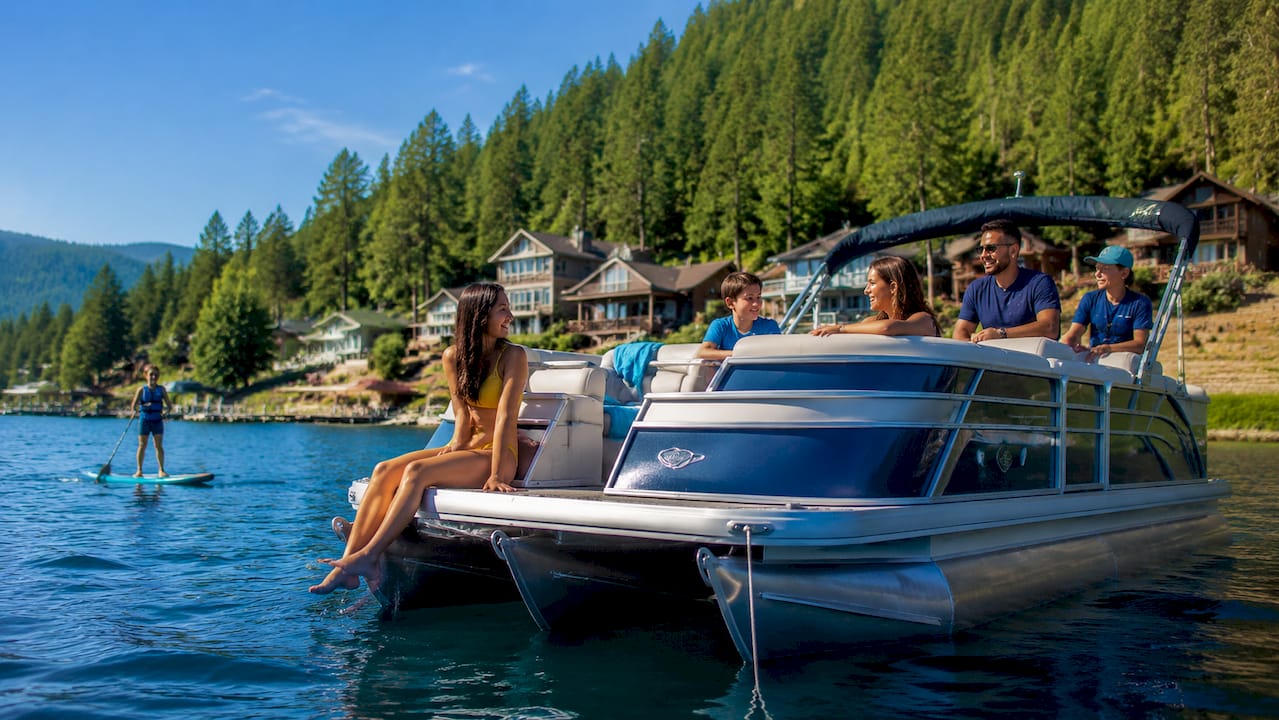
Tritoons are the next step up. They add a third pontoon tube, which increases speed and handles chop better for groups who want to pull a tube or a wakeboarder. They cost slightly more to rent, but the performance difference is real for watersports.
Jet skis and ski boats require more skill and, in many states, a boating safety certificate. Save those for a second trip once you know how the water behaves near your launch point.
Pricing to expect: half-day rentals for pontoons typically run $350–$500; full-day rentals run $500–$700 depending on location and season. That range reflects regional demand, not quality differences.
Pro Tip: Book a pontoon for your first trip even if your group is experienced on land. Flat water and a stable deck change everything when you add sun, coolers, and kids.
2. What safety laws and equipment do first-time renters need to know?
Rental boats must carry life jackets, fire extinguishers, and functioning signaling devices by law. The rental operator provides these, but you are responsible for knowing where they are and how to use them. Ask during the orientation, not after you leave the dock.
Most rental operators require you to arrive 30 minutes early for safety paperwork and a briefing. Age minimums typically fall between 21 and 25 years old, and a valid driver's license is standard. Some states also require a boating safety certificate for operators under a certain age.
Rules you must follow on the water:
- No-wake zones: Slow to idle speed near docks, swim areas, and marked channels.
- Speed limits: Posted on buoys; treat them like road signs.
- Alcohol: Operating a boat under the influence carries the same legal penalties as a DUI.
- Swim zones: Never run the engine near swimmers.
"During docking, only one person should communicate with the driver. Everyone else stays seated and quiet. Conflicting instructions at the dock cause more accidents than anything else on the water."
Pro Tip: Practice docking in an open area before you return. Assign your one-talker before you approach the slip, not during the approach.
3. When should first-timers book their lake rentals?
Book 6–8 weeks ahead for peak summer weekends. For major holidays like July 4th and Labor Day, around 85% of premier inventory is committed by the preceding february. Waiting until june for a july 4th rental is a losing strategy.
Weekday rentals solve two problems at once. You pay less, and you share the water with fewer boats. For a first-time renter still learning throttle control and navigation, a quieter lake is a genuine safety advantage, not just a comfort preference.
Steps to book smart:
- Call or email the local operator directly. Booking direct saves 20–30% on fees compared to third-party platforms and connects you with staff who know the lake.
- Ask about the fuel policy upfront. Some operators charge fuel based on usage; others include it. Surprises at checkout ruin the day.
- Clarify the deposit and cancellation terms before you pay anything.
- Confirm water access on lake house listings. "Waterfront" means direct lake access. "Water view" may mean a distant glimpse through trees. Always ask for photos of the actual dock or shoreline.
Pro Tip: Ask the local operator which coves or swim spots are worth visiting. That five-minute conversation replaces two hours of guessing on the water.
4. Which lake activities work best for first-time renters?
Morning boating delivers the best conditions for beginners. Calm water, low traffic, and cooler temperatures make the first two hours on the lake the most enjoyable. Afternoons bring chop and boat traffic that challenge even experienced operators.
Anchor in one or two protected coves rather than trying to cover the whole lake. This approach reduces navigation stress, gives your group a home base for swimming and snacking, and eliminates the pressure of constant decision-making. First-timers who try to see everything usually enjoy nothing.
Activities that work well for beginners:
- Tubing: Low skill required; the boat does the work.
- Paddleboarding: Rent a board and stay close to shore.
- Dock-and-dine: Many lakeside restaurants accept boats directly at their docks. It turns lunch into an event.
- Swimming from anchor: Drop anchor in a cove, set up a swim ladder, and let the lake come to you.
What to bring: reef-safe sunscreen, a dry bag for phones, a cooler with more water than you think you need, and a first aid kit. Sun exposure on open water is significantly more intense than on land because of water reflection.
Pro Tip: First-time boat tours are a smart way to learn a lake's layout before you rent independently. One guided trip teaches you where the no-wake zones, swim areas, and best coves actually are.
5. What throttle and navigation mistakes do first-timers make?
New renters push the throttle too hard too soon. A pontoon boat accelerates slowly but carries momentum. If you gun it and then panic-brake, passengers lurch and gear slides. Deliberate, gradual throttle inputs keep everyone comfortable and in control.
Navigation on a busy lake feels overwhelming until you learn one rule: stay to the right, just like a road. Give docks and swim buoys a wide berth. Watch for no-wake zone markers and slow down before you reach them, not after.
Check rental pricing details before you go so you understand what the full-day rate includes. Knowing your time window removes the temptation to rush back and make a hurried docking approach.
Key Takeaways
First-time lake rental success requires choosing a stable boat, following safety protocols, booking early, and planning activities around calm morning hours.
| Point | Details |
|---|---|
| Choose a pontoon first | Pontoon boats offer the stability and capacity beginners need for a safe first trip. |
| Book 6–8 weeks ahead | Peak summer inventory fills fast; major holidays book out months in advance. |
| Assign one docking communicator | One person talks to the driver during docking; everyone else stays seated and quiet. |
| Start mornings, anchor in coves | Calm morning water and a fixed anchor spot reduce stress and improve the experience. |
| Book direct with local operators | Direct bookings save 20–30% on fees and give you access to local lake knowledge. |
What I've learned watching first-timers hit the water
Most first-time renters spend their whole trip trying to see the entire lake. They motor from one end to the other, never stop long enough to swim, and return the boat tired and slightly sunburned with nothing memorable to show for it. The renters who have the best days do the opposite. They pick one cove, drop anchor by 9:00 AM, and stay there until lunch.
The throttle mistake is real and consistent. Every new renter I've seen gets on the water and immediately pushes past what the boat needs. A pontoon is not a sports car. It rewards patience. The moment you stop treating it like a vehicle you need to drive fast, it becomes a floating deck you can actually enjoy.
The one-talker docking rule sounds simple until you're approaching a slip with four people shouting directions. Assign that role before you leave the dock in the morning. The person who knows the most about boats is not always the right choice. The right choice is whoever stays calm under pressure.
Booking direct with a local company like Goldenwatersports changes the quality of your trip before you even arrive. You get real answers about lake conditions, the best spots to anchor, and what gear to bring. No algorithm gives you that.
— Life is better on water.
Ready to get on the water with Goldenwatersports?
Goldenwatersports serves Liberty Lake, Newman Lake, and Lake Coeur d'Alene with pontoon boats, Yamaha WaveRunners, ski boats, and paddleboards built for every skill level. First-time renters get a full safety orientation, all required equipment, and a team that actually answers the phone.
Check rental rates and availability to see half-day and full-day options across all locations. If jet skis are on your list, Goldenwatersports offers Liberty Lake jet ski rentals and Newman Lake jet ski rentals with flexible booking windows. The water is ready when you are.
FAQ
What is the best boat for a first-time lake renter?
A pontoon boat is the best choice for first-time renters. It holds 10–12 passengers, sits flat on the water, and responds slowly enough to correct mistakes before they become problems.
How far in advance should I book a lake rental?
Book 6–8 weeks ahead for peak summer weekends. For major holidays like July 4th or Labor Day, book several months in advance since the best inventory fills by early spring.
Do I need a boating license to rent a boat?
Requirements vary by state and age. Most operators require a valid driver's license and a minimum renter age of 21–25. Some states require a boating safety certificate for operators under a specific age.
What does "waterfront" mean on a lake house rental listing?
"Waterfront" means the property has direct lake access, typically with a dock or shoreline. "Water view" may only mean a partial glimpse of the lake from the property, with no direct access.
What time of day is best for beginner boaters?
Morning is the best time. Calm water and low boat traffic make the first two hours on the lake the safest and most enjoyable window for first-time renters.