
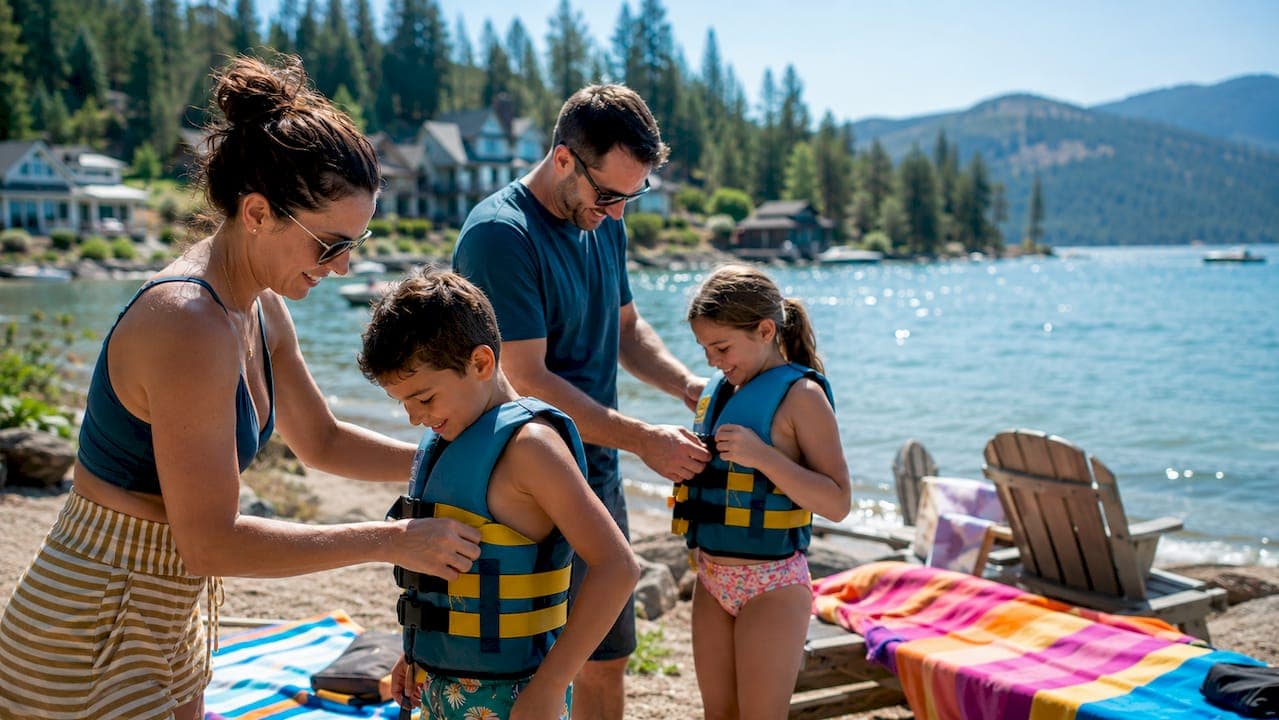
A properly fitting life jacket is the single most effective piece of safety equipment you can put on before getting on the water. The industry term is personal flotation device, or PFD, and fit determines whether it saves your life or fails you. Adults size by chest circumference, while children size strictly by body weight. U.S. Coast Guard standards define these categories, and a snug, secured fit prevents the jacket from slipping or riding up when it matters most. This life jacket fitting guide for adults and kids covers every step, from measuring to testing, so your whole family stays safe on the water.
How to determine the right life jacket size for adults and kids
Sizing a life jacket correctly is the foundation of water safety. Get this wrong and nothing else matters.
Adult sizing: chest measurement is everything
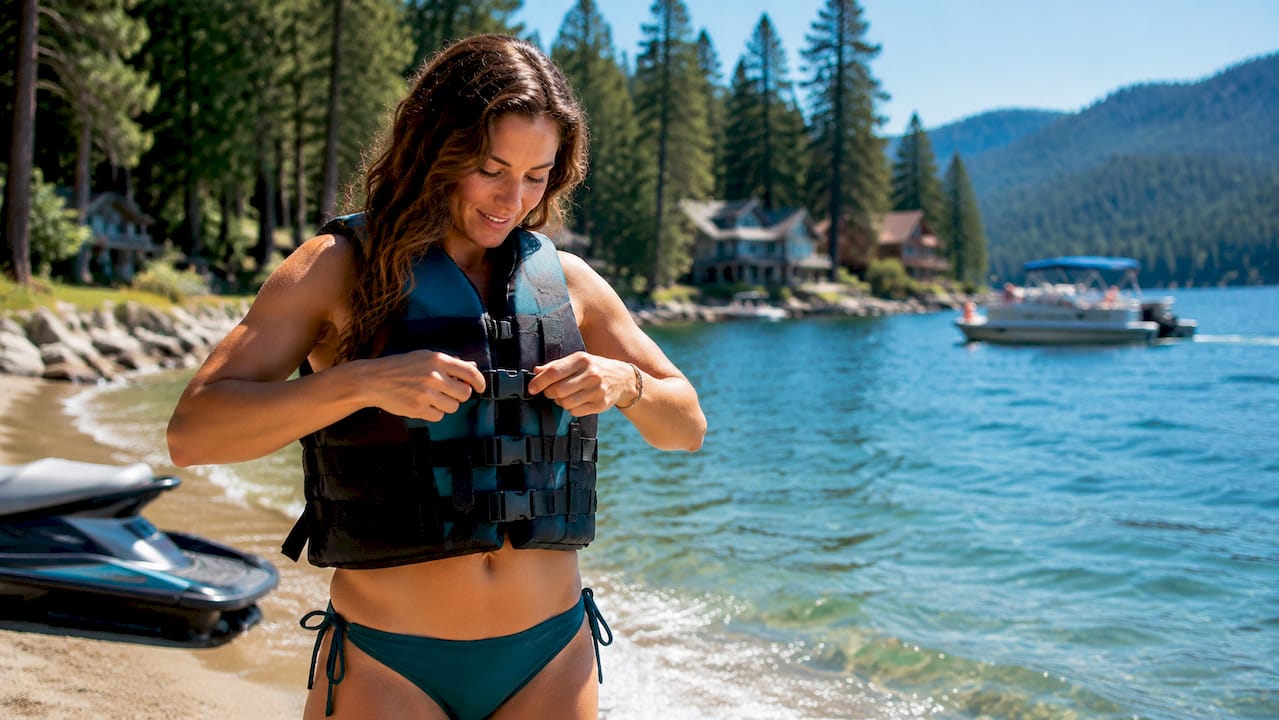
Adult life jackets are sized by chest circumference, not weight. Measure around the broadest part of your chest, keeping the tape snug but not tight. Most adult jackets list a chest range on the label, such as 30–40 inches or 40–52 inches. Always match your measurement to the label range before buying or renting.
Children's sizing: weight categories define the fit
Children's life jackets are sized by body weight, divided into three categories:
- Infant: 8–30 lbs. Designed for babies who cannot hold their heads up independently.
- Child: 30–50 lbs. Built for toddlers and young children with basic swimming ability.
- Youth: 50–90 lbs. Sized for older children approaching adult proportions.
Infants under 8 lbs are generally not recommended for boating. That is a hard limit, not a suggestion.
Because manufacturer weight ranges vary by brand and model, always read the label inside the jacket rather than relying on the size category printed on the outside. A child near the boundary between Child and Youth sizes may fit differently depending on the brand. The label is the authority.
| Wearer | Sizing Method | Key Measurement |
|---|---|---|
| Adult | Chest circumference | Match to label range in inches |
| Infant | Body weight | 8–30 lbs |
| Child | Body weight | 30–50 lbs |
| Youth | Body weight | 50–90 lbs |
How do you properly fit a life jacket step by step?
Putting on a life jacket is not the same as fitting one. Follow these steps every time.
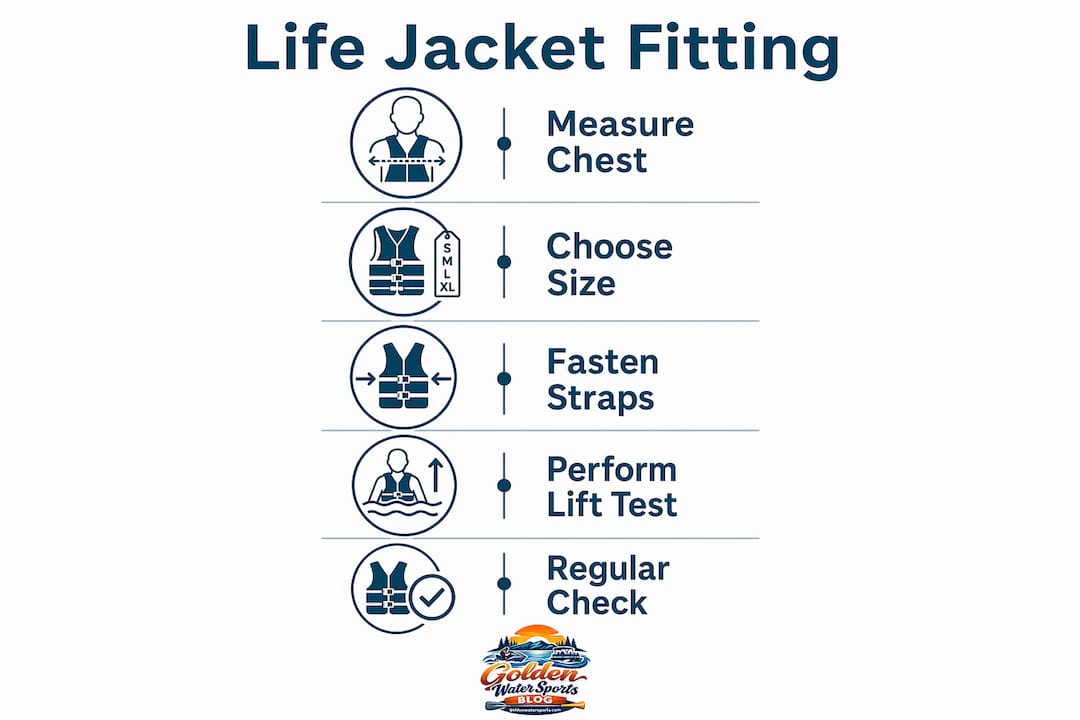
- Put the jacket on fully. Slide both arms through and zip or buckle the front closure completely before adjusting any straps.
- Tighten from the bottom up. Start with the waist strap, then move to the chest strap, and finish with the shoulder straps. This anchors the jacket low on your torso and prevents it from riding up.
- Perform the lift test. Have someone gently pull up on both shoulder straps. If the jacket rises above your chin or ears, it is too loose. Tighten the straps or try a smaller size.
- Fasten leg and crotch straps for children. These straps are not optional extras. Leg straps keep the jacket from slipping over a child's head in the water, especially for infants and children under 13.
- Check mobility. Raise your arms, twist your torso, and bend forward. The jacket should stay in place without chafing or restricting your breathing.
Pro Tip: Have your child put on their own jacket from start to finish at least once before you get to the water. Kids who practice the routine are far more likely to wear their jackets consistently and correctly.
The lift test is the single most reliable field check you have. Do it every time, not just when you buy a new jacket.
What are the most common life jacket fitting mistakes?
Most fitting errors are predictable, and all of them are avoidable.
- Buying too large for children. Never buy a child's jacket a size up expecting them to grow into it. A loose jacket can slip off in the water, which defeats its entire purpose.
- Skipping leg straps. Parents frequently treat crotch straps as optional. They are not. Without them, a child's jacket can ride up over their face in the water.
- Tightening shoulder straps first. Starting at the top pulls the jacket upward and leaves the waist loose. Always tighten bottom up.
- Ignoring clothing layers. A jacket fitted over a swimsuit fits differently over a wetsuit or a heavy sweatshirt. Reassess the fit whenever you change clothing layers significantly.
- Skipping the wet test for kids. An in-store fit check does not tell you how the jacket performs in water. Test children's jackets in calm, shallow water before any open-water outing to confirm the mouth and nose stay above the surface.
"Life jackets should be treated like seat belts. They are non-negotiable and must be worn every time you are on the water. A jacket that does not fit correctly offers the same protection as no jacket at all."
For parents planning kid-friendly boat tours, running through this checklist before boarding is the single best preparation you can do.
How do you maintain proper life jacket fit over time?
Fit is not a one-time task. It requires regular reassessment.
Check every jacket at the start of each boating season. Children grow quickly, and a jacket that fit perfectly last summer may be dangerously small or incorrectly adjusted by june. Weight changes in adults also shift how a jacket sits on the torso. Fit is a dynamic factor, not a setting you lock in once and forget.
Store life jackets flat or hanging in a dry, ventilated space away from direct sunlight. UV exposure degrades foam buoyancy material over time. Inspect buckles, zippers, and straps for cracking or fraying before each use.
Use only U.S. Coast Guard-approved life jackets. The approval label appears inside the jacket and confirms the device meets federal flotation and performance standards. Non-approved jackets may look similar but offer no guaranteed protection.
Pro Tip: Teach children to put on their own life jackets independently. When kids can do it themselves, they are more likely to wear them without resistance, and you can spot fit problems faster because they will tell you when something feels wrong.
For a deeper look at which jacket type suits different water activities, the types of life jackets guide from Goldenwatersports breaks down the options by activity and design.
Key Takeaways
A correctly fitted life jacket, sized by chest measurement for adults and body weight for children, with all straps fastened and the lift test passed, is the only reliable protection on the water.
| Point | Details |
|---|---|
| Adult sizing uses chest measurement | Measure the broadest part of your chest and match it to the label range. |
| Children's sizing is weight-based | Use Infant (8–30 lbs), Child (30–50 lbs), or Youth (50–90 lbs) categories. |
| Tighten straps bottom up | Start at the waist strap and work upward to prevent the jacket from riding up. |
| Always perform the lift test | If the jacket rises above the chin or ears, tighten straps or choose a smaller size. |
| Reassess fit every season | Weight changes, clothing layers, and child growth all affect how a jacket fits. |
What I've learned from watching families on the water
After years of watching families gear up at the dock, the pattern is consistent. Parents spend real money on life jackets and then hand them to their kids without a single adjustment. The jacket is on. The buckle is clicked. That feels like enough. It is not.
The lift test takes ten seconds. Checking the leg straps takes five. But most parents skip both because the jacket looks fine. A jacket that looks fine on land can ride up over a child's face the moment they hit the water at an angle.
The other mistake I see constantly is the "they'll grow into it" logic. I understand the impulse. Kids grow fast and gear is expensive. But a loose jacket on a child is not a safety device. It is a false sense of security, which is actually more dangerous than no jacket at all, because it removes the urgency to act.
Treat the fitting process the way you treat a seat belt check. You do not click the belt and then leave it loose across your lap. You pull it snug. Do the same with every jacket, every time, for every person on the boat.
— Life is better on water.
Safe days on the water start with Goldenwatersports
Every rental from Goldenwatersports includes U.S. Coast Guard-approved life jackets sized for adults and children, inspected before each outing. The team at Goldenwatersports helps every customer find the right fit before leaving the dock, whether you are renting a Yamaha WaveRunner, a ski boat, or a pontoon for a family day on the lake.
Goldenwatersports serves Liberty Lake, Newman Lake, and Coeur d'Alene with flexible rental periods and friendly staff who take safety seriously. Check available rental options and pricing to plan your next day on the water with confidence. For families who want to know more about staying safe while jet skiing, the jet ski safety guide from Goldenwatersports is a solid next read.
FAQ
How should a life jacket fit an adult?
An adult life jacket should fit snugly around the chest with all straps fastened. When someone pulls up on the shoulder straps, the jacket should not rise above the chin or ears.
What size life jacket does my child need?
Children's life jackets are sized by body weight: Infant for 8–30 lbs, Child for 30–50 lbs, and Youth for 50–90 lbs. Always check the weight range printed on the jacket's interior label.
Can I buy a bigger life jacket for my child to grow into?
No. A life jacket that is too large can slip over a child's head in the water. Always buy the size that fits your child's current weight.
What is the lift test for life jackets?
The lift test checks whether a life jacket fits correctly. With the jacket fully fastened, a second person pulls up gently on the shoulder straps. If the jacket rises above the wearer's chin or ears, it needs tightening or a smaller size.
How often should I check life jacket fit?
Check fit at the start of every boating season and any time clothing layers or body weight change significantly. Children should be refitted at least once per season due to growth.