
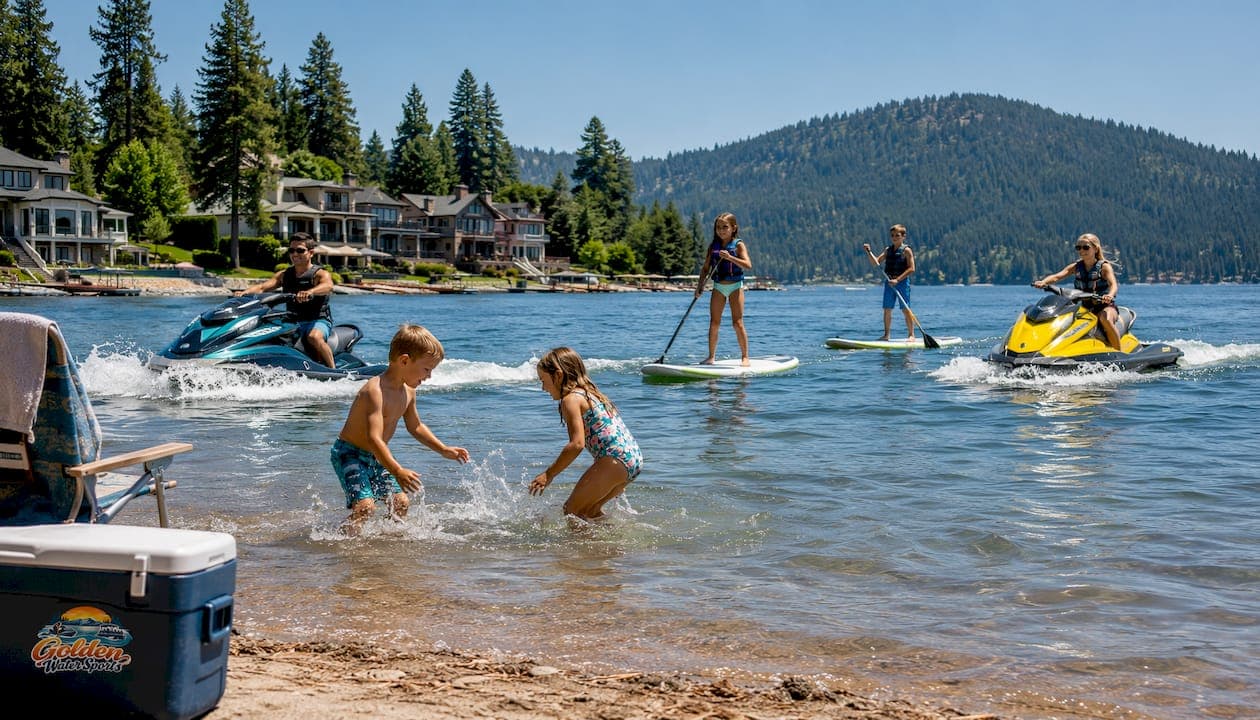
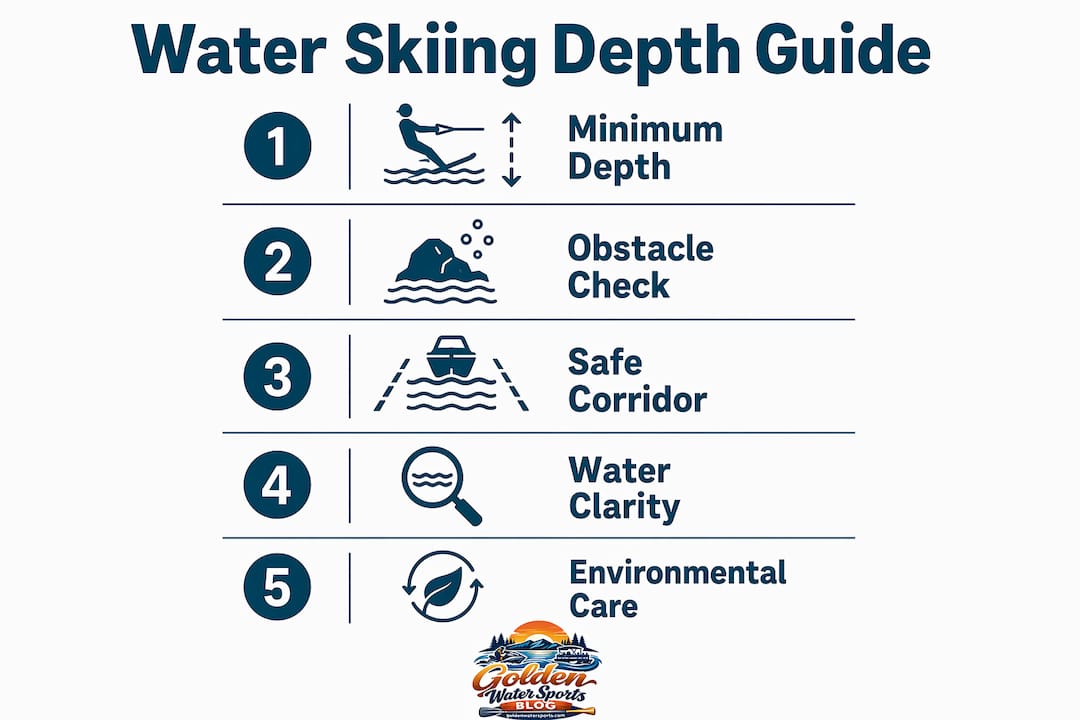
Safe water skiing starts with a minimum depth of 5 to 6 feet (1.5 to 1.8 meters) of obstacle-free water. That floor exists for one reason: when a skier falls or attempts a deep-water start, anything shallower puts them at real risk of hitting the bottom. For a genuinely good experience, lake design experts recommend 10 to 12 feet as the optimal depth, where water clarity improves, turbulence drops, and slalom skiing feels noticeably more controlled.
At a glance: depth requirements for water skiing
- Minimum safe depth: 5–6 feet (1.5–1.8 m), obstacle-free throughout the skiing corridor
- Optimal depth: 10–12 feet for premium performance, better water clarity, and reduced turbulence
- Skiing corridor width: at least 200 feet of clear water
- Hazard clearance: towboat must stay at least 100 feet from docks, swim areas, and shorelines
- Depth consistency: the entire boat path, not just the center, should meet the minimum threshold
Depth alone does not guarantee safety. The water column must be clear of submerged obstacles, stumps, and debris throughout the full corridor. A lake that hits 6 feet at its deepest point but averages 3 feet along the course is not a safe skiing lake, regardless of what the maximum reading says.
How lake depth shapes your water skiing experience
Depth does more than keep you off the bottom. It directly influences how the water behaves under your skis, and experienced skiers notice the difference quickly.
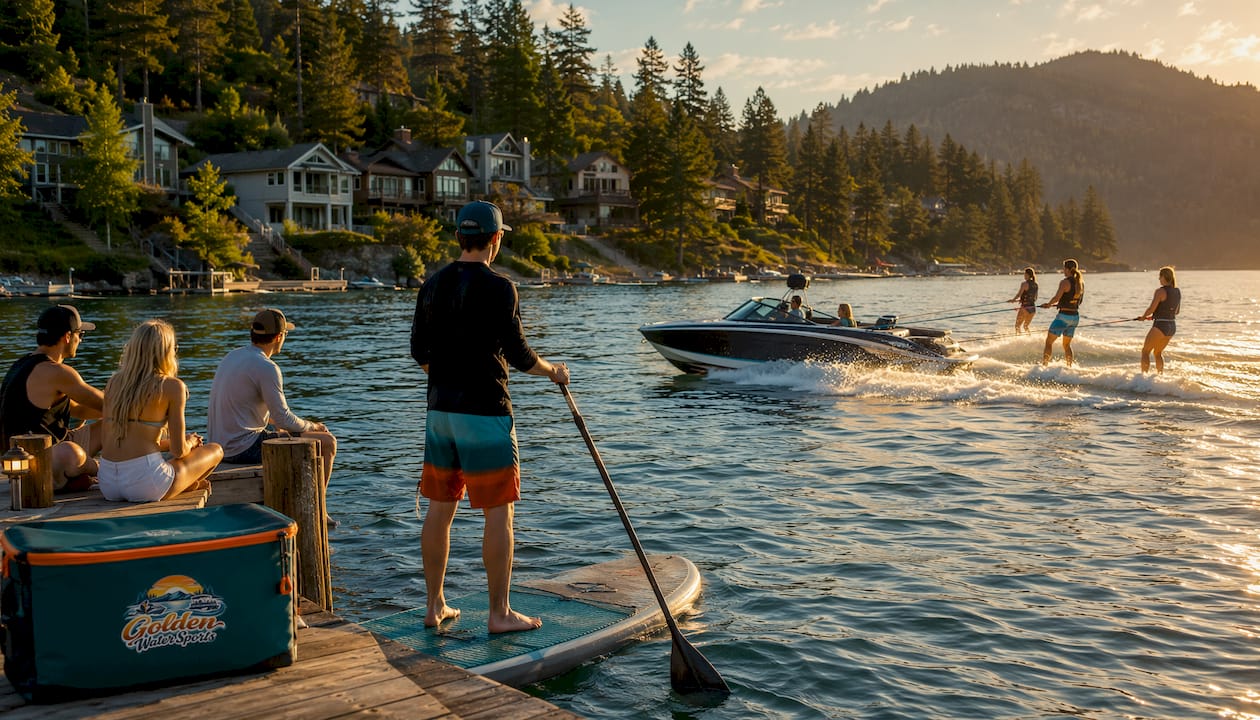
Deeper water provides a more stable platform. When the lake bottom is far below the surface, propeller wash and boat wake dissipate before they can reflect back up and disturb the water column. On shallower lakes, that energy bounces off the bottom and creates choppier, less predictable conditions. Skiers on lakes in the 3–4 foot range consistently report larger wakes and a rougher ride, even with good form.
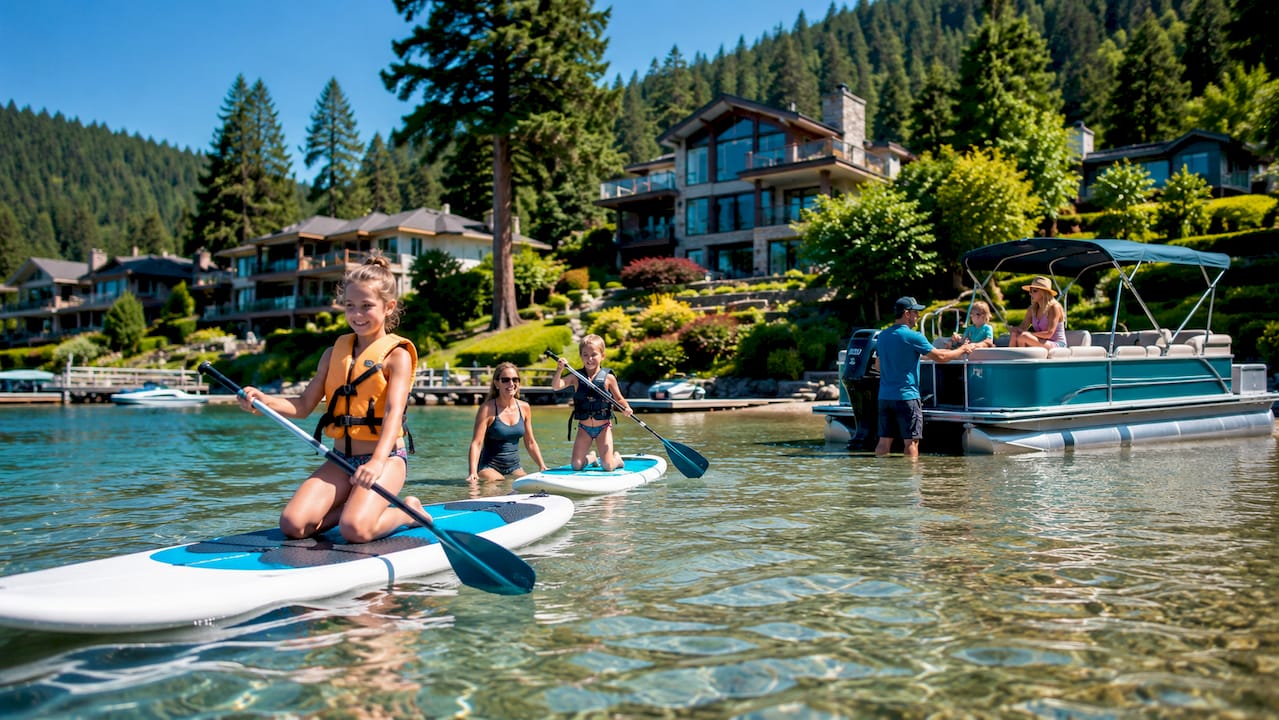
Water clarity also improves with depth. Shallower lakes stir up sediment more easily, both from boat traffic and natural wave action, leaving the water murky and reducing visibility of submerged hazards. At 10–12 feet, the water column has enough volume to absorb disturbance without clouding.
There is a subtler effect worth knowing. Some skiers report that shallower water feels "smoother" on certain days, possibly tied to temperature-related density differences between surface and bottom layers. The exact cause is debated, but the phenomenon is real enough that private lake owners mention it. It does not, however, outweigh the safety and consistency advantages of deeper water.
Depth effects on skiing experience:
- Stability: deeper water absorbs wake energy rather than reflecting it back to the surface
- Water clarity: less sediment disturbance means better visibility and cleaner conditions
- Wake size: shallower lakes tend to produce larger, less predictable wakes
- Temperature layering: depth creates thermal stratification that may subtly affect water density and ski feel
- Ski responsiveness: turn buoy placement in slightly shallower zones can cause the ski to ride higher, which some advanced slalom skiers use intentionally
Pro Tip: If you are evaluating a lake for the first time, check depth at the turn buoys specifically, not just the center corridor. That is where falls happen most often, and where shallow water creates the greatest risk.
Why lake depth matters for the environment
The environmental role of lake depth for water skiing is often overlooked, but it has direct consequences for water quality and aquatic habitat. Boat propellers in shallow water churn up bottom sediment, increasing turbidity and disrupting the organisms that live there. In deeper water, that propeller wash never reaches the bottom, so turbidity stays low and the ecosystem stays intact.
Environmental experts note that sites with depth greater than 2 meters (roughly 6.5 feet) better protect sensitive habitats and reduce propeller-induced sediment disruption. Below that threshold, repeated boat passes can gradually degrade water quality and harm fish spawning areas, aquatic plants, and benthic organisms.
Slope design matters just as much as maximum depth. Lake designers recommend 10:1 or 12:1 bank grades, meaning the lake bottom rises one foot for every 10 or 12 horizontal feet toward the shoreline. Gentle slopes reduce wave energy before it hits the bank, cutting erosion and backwash. Steep banks, by contrast, cause wakes to "cliff" around root systems and accelerate shoreline degradation.
Eco-friendly practices tied to lake depth:
- Maintain depth above 2 meters throughout the active skiing corridor to protect bottom habitats
- Use gentle bank grades (10:1 or 12:1) to reduce wave-driven erosion
- Keep grass or vegetation growing to the water's edge to stabilize shorelines and filter runoff
- Avoid overloading towboats beyond factory ballast limits, which amplifies wake and bottom disturbance in shallower areas
- In drought-prone regions, deeper lakes maintain water levels through dry seasons, while shallow lakes can drop below safe skiing depth quickly
For families planning lake vacation activities, understanding these environmental factors helps you choose lakes that will stay clean, clear, and skiable across the whole season.
Safety and technical guidelines for water skiing lake depth
The 5 to 6 foot minimum is not a suggestion. It is the threshold below which deep-water starts become genuinely dangerous, because the skier's body and skis can contact the bottom during the pull-up phase. A hard fall at speed in 3 feet of water carries the same risk as diving into a shallow pool.
Industry guidelines set the 200-foot corridor width as the standard for safe maneuvering, and the towboat must stay at least 100 feet from docks, swim areas, shores, and other boats. These distances exist because a skier swings wide of the boat's path, particularly in slalom, and needs clear water well beyond the direct tow line.
The most common water skiing injuries involve the lower legs and knees. A fall at speed creates irregular collision angles between the skier's body and the water surface, and in shallow water, the bottom adds a third collision point. Proper depth removes that variable entirely.
Safety checklist for lake depth and corridor design:
- Minimum 5–6 feet throughout the full skiing corridor, including turn buoy zones
- 200-foot corridor width with no submerged obstacles
- Towboat maintains at least 100 feet from all fixed hazards
- All skiers wear a properly fitted life jacket or ski vest regardless of swimming ability
- Conduct a depth survey before skiing any unfamiliar lake, including the edges of the course
- Avoid skiing in drought conditions on lakes known to be near the minimum depth threshold
For practical guidance on driving a ski boat safely on local lakes, corridor positioning and hazard awareness are covered in detail. The National Weather Service also publishes safe boating guidelines that apply directly to towboat operation and skier safety protocols.
What experienced skiers and lake operators say about depth
Skiers who have spent time on both shallow and deep private lakes are consistent on one point: 8–15 feet skis noticeably better than 3–5 feet. The difference is not just safety. It is the feel of the water, the predictability of the wake, and the confidence to ski aggressively without worrying about what is underneath you.
One well-documented perspective from private lake owners in Texas illustrates the tradeoff clearly. A lake built to 8 feet held 6.5 feet of water during a severe drought, while neighboring shallower lakes were approaching the point of having to stop skiing entirely. The deeper lake cost more to treat with aquatic chemicals, since more water volume requires more product, but it stayed skiable through conditions that shut down the competition.
Ski equipment performs well across a range of depths when it is properly tuned. Balanced skis do not need to be reconfigured for a 10-foot lake versus a 12-foot lake. The depth effects on ski feel are real but subtle, and technique matters far more than depth once you are above the 6-foot minimum. Where depth becomes decisive is in safety and long-term lake viability.
Private lake operators also highlight slope design as a factor that beginners often miss. The gentle bank grades recommended by lake designers do more than protect the shoreline. They reduce backwash that can disrupt a skier's approach to the turn buoy, and they keep the water surface calmer in the critical zones where falls are most likely.
Key expert and operator insights:
- Lakes in the 8–15 foot range ski noticeably better than those at 3–5 feet, per experienced private lake owners
- Deeper lakes require higher chemical treatment costs but provide drought resilience that shallower lakes cannot match
- Ski technique and equipment setup matter more than depth once the minimum threshold is met
- Slope design (10:1 or 12:1 grades) reduces backwash and improves both safety and water quality
- Turn buoy zones benefit from at least 5 feet of depth to reduce the risk of contact during aggressive slalom turns
Pro Tip: When evaluating a private ski lake or planning a day on an unfamiliar body of water, ask specifically about the depth at the turn buoys and along the boat path edges, not just the maximum depth. Those are the numbers that actually govern safety.
Understanding why freshwater lakes suit water sports goes beyond depth alone, but depth is the foundation everything else builds on.
Ready to ski on a lake that gets it right?
Goldenwatersports operates on Liberty Lake, Newman Lake, and Lake Coeur d'Alene, all of which offer the depth, clarity, and open water that make for genuinely great skiing days. Whether you are looking for a ski boat, a Yamaha WaveRunner, or a pontoon for the whole family, Goldenwatersports makes it easy to get on the water with the right equipment and the right conditions.
Check out boat and jet ski rentals on area lakes, or explore jet ski options at Newman Lake and Liberty Lake rentals for a day built around safe, deep, clear water. For destination inspiration, the Destin water sports safety guide also covers depth and safety considerations worth reading before any new water adventure.
Key Takeaways
Lake depth is the single most important physical variable for safe and high-quality water skiing, with a hard minimum of 5–6 feet and an optimal target of 10–12 feet for performance and environmental health.
| Point | Details |
|---|---|
| Minimum safe depth | 5–6 feet of obstacle-free water is required throughout the full skiing corridor. |
| Optimal depth for performance | 10–12 feet improves water clarity, reduces turbulence, and supports sustained skiing through droughts. |
| Corridor and hazard clearance | A 200-foot-wide corridor and 100-foot clearance from all fixed hazards are the industry standard. |
| Environmental protection | Depths above 2 meters (roughly 6.5 feet) reduce propeller-driven sediment disruption and protect aquatic habitats. |
| Slope design matters | Bank grades of 10:1 or 12:1 reduce wave-driven erosion and backwash, improving both safety and water quality. |