
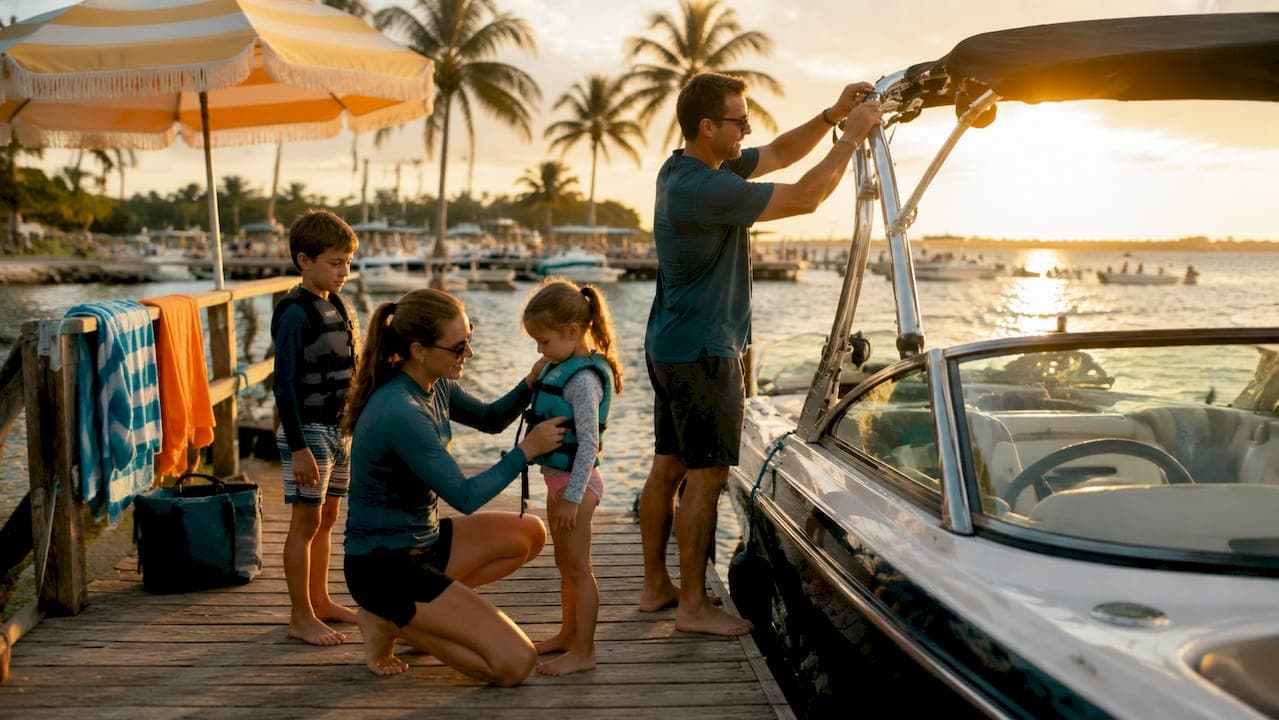
A ski boat rental is the act of renting a purpose-built watercraft designed specifically for water skiing, wakeboarding, and other tow sports, giving your family or group direct access to serious on-water fun without owning a boat. These aren't general-purpose runabouts. A true ski boat features a tow pylon, a hull shaped to produce a predictable wake, and an engine tuned for consistent pull speeds. Whether you're planning a weekend at Liberty Lake, a summer trip to Coeur d'Alene, or a first-time water sports outing, understanding exactly what you're renting makes the difference between a great day and a frustrating one.
What is a ski boat rental and why does it matter?
A ski boat rental gives you access to a specialized tow boat built for one purpose: pulling people through the water cleanly and safely. The industry term for these vessels is "tow boats," and within that category, ski boats are the subset optimized for flat-water performance rather than big-wake tricks.
The features that separate a ski boat from a standard rental boat are specific and functional:
- Ski pylon or tow bar: A fixed attachment point mounted near the center of the boat, designed to keep the tow rope at the right height and angle for the skier or tuber behind.
- V-hull or modified V-hull design: This hull shape cuts through water cleanly and produces a smaller, more predictable wake, which is exactly what a beginner water skier needs to stay upright.
- High-torque inboard or stern-drive engine: Ski boats accelerate smoothly from a dead stop, which is the critical moment when a skier needs consistent pull to get up on the water.
- Speed control systems: Many ski boats include cruise control or speed governors, keeping the tow speed steady so the person behind the boat isn't jerked around.
- Ballast systems: Some models allow you to add or remove water weight to adjust wake size, giving you control over the experience depending on skill level.
Pro Tip: Ask the rental company whether the boat has a speed control feature before you book. For beginners learning to water ski, consistent speed is more important than raw horsepower.
How does renting a ski boat work?
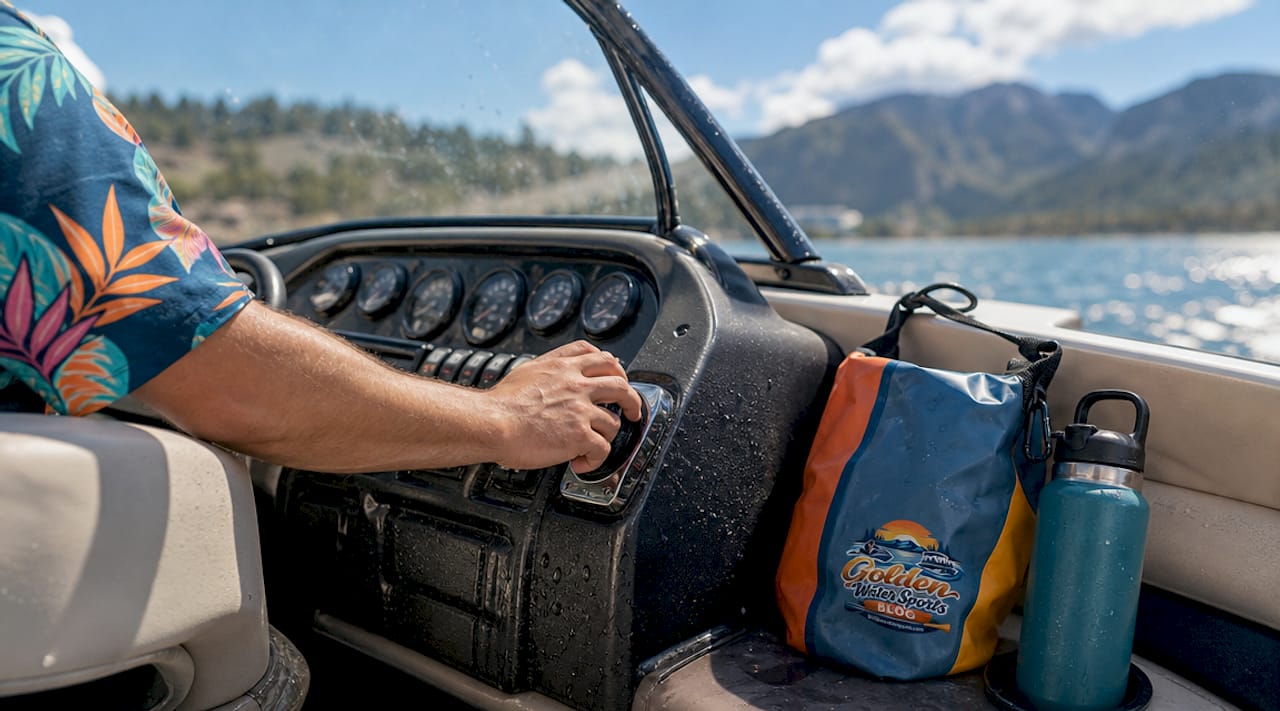
The rental process follows a predictable structure, but the details vary enough between operators that you need to ask the right questions before you show up at the dock.
Pricing and duration are the first things to nail down. Half-day ski boat rentals typically run between $400 and $550, with fuel billed separately based on actual consumption at the end of your rental. That fuel cost matters more with ski boats than with pontoons because tow sports burn significantly more fuel than slow cruising. Budget an additional $50 to $100 for a full day of active towing.
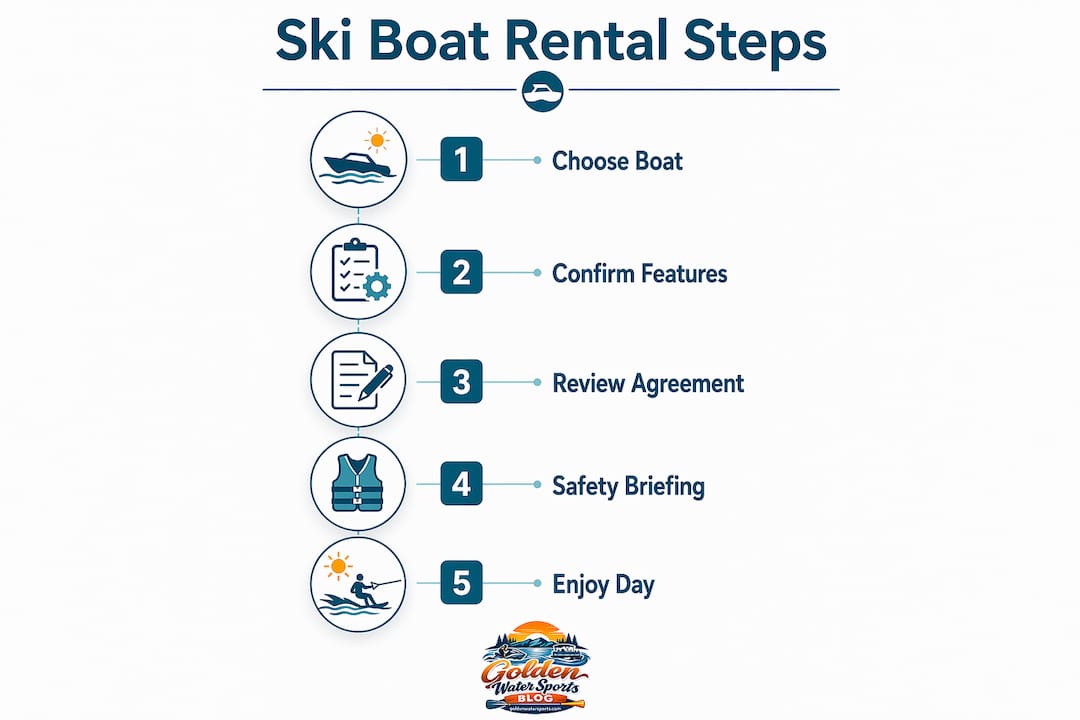
Here's what a typical booking process looks like:
- Reserve in advance. Peak summer weekends book out fast. Calling or booking online at least a week ahead is standard practice at most reputable operators.
- Provide valid ID and a credit card. Most rental companies require a valid driver's license and a credit card to hold a security deposit. The deposit amount varies but commonly ranges from $200 to $500.
- Review the rental agreement. Damage waiver policies are standard. Without a waiver, you may be liable for repair costs beyond the deposit hold. Read the fine print on what counts as damage and what doesn't.
- Confirm included equipment. Verify upfront whether tow ropes, skis, tubes, and life jackets are included or cost extra. Some operators bundle everything; others charge per item.
- Complete a safety briefing. Reputable rental companies walk you through boat operation, local rules, and emergency procedures before you leave the dock.
Common add-ons include towable tubes, extra personal flotation devices, and waterproof storage bags. These are worth adding if the operator offers them, since bringing your own gear onto a rental boat requires knowing how to load water toys safely to avoid damage claims.
Ski boat vs pontoon vs fishing boat: which should you rent?
Choosing the right boat type is the single most important decision you'll make before your rental day. Each boat serves a different purpose, and renting the wrong one wastes money and time.
| Boat type | Best for | Wake size | Towing ability | Passenger comfort | Typical cost |
|---|---|---|---|---|---|
| Ski boat | Water skiing, tubing, beginner tow sports | Small, clean | Excellent | Moderate (6-8 people) | $400-$550 half-day |
| Wake boat | Wakeboarding, wake surfing | Large, shaped | Excellent | Moderate (8-10 people) | $500-$700 half-day |
| Pontoon boat | Cruising, swimming, relaxing | Minimal | Poor | High (10-14 people) | $250-$450 half-day |
| Fishing boat | Fishing, slow trolling | Minimal | None | Low (2-4 people) | $150-$300 half-day |
The comparison between pontoon versus ski boat rentals comes down to one question: do you want to do tow sports or not? Pontoon boats are stable, spacious, and great for groups that want to swim, eat, and cruise. They cannot safely tow a water skier. A ski boat sacrifices deck space and lounge comfort in exchange for performance.
The comparison between fishing boats and ski boats is even simpler. Fishing boats are built for slow, quiet movement and lack the engine power or tow hardware for water sports entirely. If your group wants to mix fishing and skiing in one day, rent a ski boat and accept that fishing will be casual at best.
The trickier comparison is ski boats versus wake boats. Ski boats prioritize flat-water stability and a clean, small wake, which is exactly what a beginner water skier needs. Wake boats are engineered to produce large, steep wakes for wakeboarding and wake surfing. Putting a beginner skier behind a wake boat is a recipe for falls and frustration. The term "ski boat" is often used loosely in rental listings, so always ask the operator whether the boat is configured for flat-water skiing or wake sports before you book.
For a deeper look at how these boats differ in practice, the speedboat vs ski boat breakdown at Goldenwatersports covers the key distinctions clearly.
Ski boat rental tips for a smooth day on the water
Planning well before you arrive at the dock saves you from the most common rental-day headaches. These tips apply whether it's your first rental or your tenth.
What to bring:
- Valid government-issued ID and the credit card used for the deposit
- Sunscreen (SPF 50 or higher), sunglasses, and a hat
- Water and snacks for the full rental period
- Water shoes or sandals with grip
- A dry bag or waterproof case for your phone and wallet
- A change of clothes for the drive home
Personal gear like sun protection and hydration directly affects how comfortable and safe your day feels. Dehydration on the water happens faster than most people expect, especially on hot summer days with physical activity.
On the water, follow these practices:
Maintain consistent tow speeds. For beginner water skiers, 18 to 22 mph is the standard range. Sudden acceleration or deceleration causes falls and puts strain on the tow rope hardware. Keep the boat on a straight path when someone is up on skis or a tube, and always do a full circle to return to a fallen rider rather than reversing the boat.
Pro Tip: Book a captained ski boat rental if your group includes first-timers or young children. A professional operator handles navigation, towing setup, and safety protocols, so your group focuses entirely on having fun.
Understanding the rental agreement before you sign it prevents financial surprises. Damage deposits and waiver terms vary significantly between operators. A damage waiver typically costs $30 to $75 for the day and caps your liability at the deposit amount. Without it, a minor collision or equipment scratch could cost you several hundred dollars. For more detail on what affects your total cost, the boat rental pricing guide at Goldenwatersports breaks down every line item clearly.
Key takeaways
A ski boat rental is the most direct path to water skiing and tow sports for families who don't own a boat, but the experience depends entirely on choosing the right boat type and preparing for the rental process.
| Point | Details |
|---|---|
| Ski boat definition | A purpose-built tow boat with a ski pylon, V-hull, and speed control designed for water skiing. |
| Rental pricing | Half-day rentals run $400 to $550, with fuel billed separately based on activity intensity. |
| Ski boat vs wake boat | Ski boats produce smaller, cleaner wakes suited for beginners; wake boats are built for large-wake tricks. |
| Rental preparation | Bring valid ID, a credit card for deposits, sun protection, hydration, and confirm gear inclusions upfront. |
| Captained rentals | Professional operators handle towing setup and navigation, making them the best choice for groups and families. |
Why the boat you choose matters more than you think
From Life is better on water.
Most people planning their first ski boat rental focus on price and availability. That's understandable, but it's the wrong starting point. The boat type determines whether your day is a success or a series of frustrating falls and confused looks.
I've watched families show up expecting a smooth water skiing session and discover they've rented a wake boat with a massive ballast system. The wake is enormous, the beginner skier can't get up, and the whole group spends the afternoon confused about what went wrong. The boat wasn't defective. It was simply the wrong tool for the job.
The other mistake I see consistently is skipping the conversation with the rental operator about what's actually included. Showing up without tow ropes, only to find the rental doesn't include them, kills the first hour of your day. A five-minute phone call before you book eliminates that entirely.
Captained rentals get dismissed as an unnecessary expense, but for groups with mixed skill levels or young kids, they're genuinely worth the added cost. You get a professional who knows the lake, handles the towing logistics, and keeps the safety protocols in place. Your group gets to focus on the water.
One more thing: beginners should not feel pressure to perform. Water skiing has a real learning curve, and the best rental operators know how to set up conditions that give new skiers the best possible chance of getting up on their first or second try. Ask about that when you call.
— Life is better on water.
Plan your ski boat rental with Goldenwatersports
Goldenwatersports serves Spokane Valley, Liberty Lake, and Coeur d'Alene with a fleet built for exactly the kind of day you're planning. The team provides ski boats, pontoon boats, Yamaha WaveRunners, paddleboards, and water toys, along with safety equipment and flexible rental periods that fit your schedule. Every rental comes with knowledgeable staff who walk you through the boat, the gear, and the lake before you leave the dock. Book your Coeur d'Alene boat rental directly through the Goldenwatersports website and get on the water with everything you need already handled.
FAQ
What is a ski boat rental?
A ski boat rental is renting a purpose-built tow boat equipped with a ski pylon, V-hull, and speed control features designed specifically for water skiing and tow sports. It differs from general boat rentals in that the boat is optimized for pulling skiers and tubers rather than cruising or fishing.
How much does a ski boat rental cost?
Half-day ski boat rentals typically range from $400 to $550, with fuel charged separately based on consumption. Add-ons like tubes, extra life jackets, and damage waivers increase the total cost.
What's the difference between a ski boat and a wake boat?
Ski boats produce a small, clean wake suited for water skiing and beginner tow sports, while wake boats generate large, shaped wakes designed for wakeboarding and wake surfing. Beginners learn faster and fall less behind a true ski boat.
What do I need to bring to a ski boat rental?
Bring a valid government-issued ID, a credit card for the security deposit, sunscreen, water, snacks, and water shoes. Confirm with the operator whether tow ropes, skis, and life jackets are included before your rental day.
Are captained ski boat rentals worth it?
Captained rentals are the best option for families with young children or first-time skiers because a professional operator manages towing setup, navigation, and safety protocols throughout the day.