
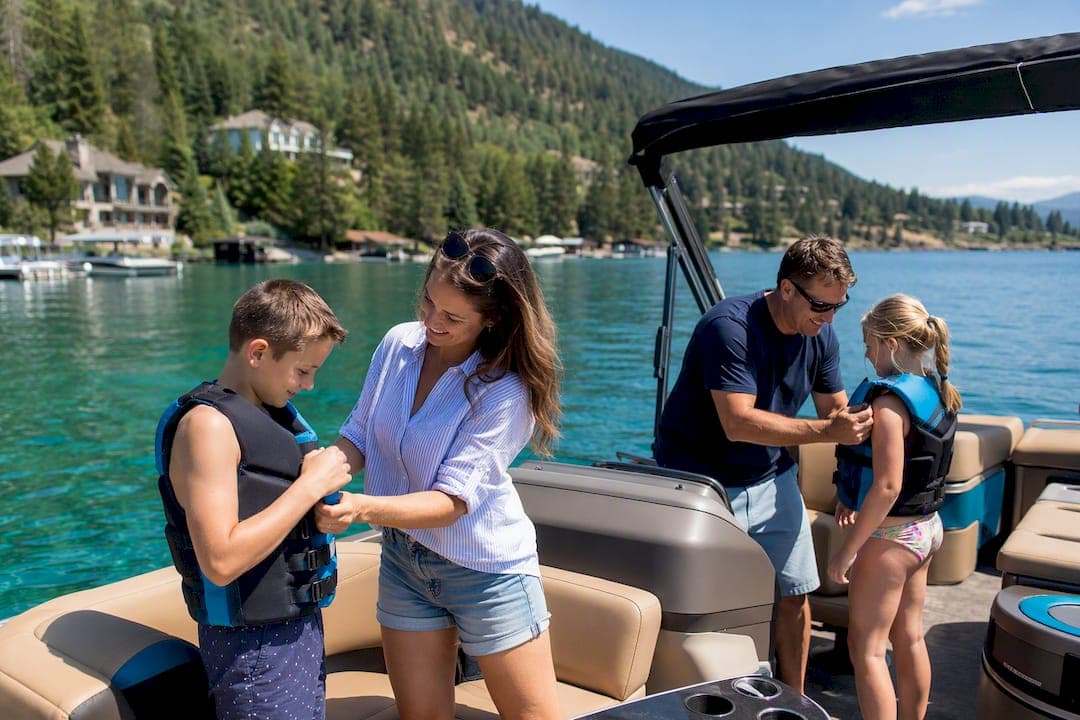
Boat insurance for renters means the coverage a renter carries, buys, or accepts to protect against liability and physical damage while operating a rented boat, since a personal auto or homeowner policy almost never covers it. The single most important move: confirm your liability coverage or buy a damage waiver before you leave the dock.
- Liability usually falls on whoever the rental contract names, but renters can still be held personally responsible for injuries or damage they cause.
- Hull damage to the boat itself is rarely covered by a renter's personal policy; Progressive's guidance on rental coverage confirms most auto or home policies stop at liability, if that.
- A short-term policy priced under $50 a day is often the cheapest way to close the gap, according to PTL Insurance. Florida's SB 606 already requires proof of insurance for some rentals.
Key Takeaways
Renters who verify liability coverage and understand waiver exclusions before booking avoid the vast majority of costly, unexpected repair bills.
| Point | Details |
|---|---|
| Liability comes first | Confirm liability coverage or a waiver before launch; it protects against far larger losses than hull damage alone. |
| Personal policies rarely help | Homeowners and auto policies almost never cover hull damage to a boat you're renting. |
| Waivers cap deposits, not always damage | Ask whether a waiver is real coverage or just a deposit reduction with specific exclusions. |
| Costs stay manageable | One-day short-term policies often run under $50, a small price against tens of thousands in potential repair costs. |
| Goldenwatersports lays out options clearly | Optional damage protection and safety gear are presented at checkout, with staff available to confirm coverage before your trip. |
Table of Contents
- What Does Boat Insurance for Renters Actually Cover?
- Who Is Responsible for Insuring a Rented Boat?
- What Coverage Options Do Renters Actually Have?
- How Do You Verify Coverage Before You Cast Off?
- What Does Short-Term Boat Insurance Typically Cost?
- What Should You Do If Damage or an Injury Happens?
- How Do Rental Companies Present Insurance at Booking?
- What Coverage Should Renters Actually Prioritize?
- How Goldenwatersports Handles Insurance at Booking
- Frequently Asked Questions
- Sources
What Does Boat Insurance for Renters Actually Cover?
Two separate things get bundled under this term, and mixing them up is where renters get burned. Liability coverage pays for bodily injury or property damage you cause to someone else, another boat, or a dock. Physical damage coverage (sometimes called hull coverage) pays to repair or replace the boat you're renting if it's damaged, grounded, or sinks.
Beyond those two basics, several add-ons show up in short-term policies and rental company waivers:
- Medical payments coverage for injuries to you or your passengers, regardless of fault.
- Uninsured/underinsured boater protection if another vessel hits you and its operator has no coverage.
- Pollution or fuel-spill liability, which matters more than people expect on smaller inland lakes with strict cleanup rules.
- Personal property coverage for phones, coolers, and gear that go overboard.
Exclusions matter just as much as inclusions. Most waivers and short-term policies exclude damage from gross negligence, operating while intoxicated, taking the boat into restricted or off-limits waters, and anything that looks intentional. ShunRent's breakdown of rental insurance notes operators commonly reserve the right to bill you directly for damage that falls outside waiver terms.
Repair costs are the reason this matters financially. Hull repairs on a mid-size boat can run into the tens of thousands of dollars, and industry guidance commonly recommends liability limits starting around $300,000, with some renters advised to carry up to $1,000,000 depending on their assets.
Pro Tip: Ask the rental rep this exact question: "If the boat sinks or takes on water, does the waiver pay for that, or does it just reduce my deposit?" A real damage waiver names specific covered perils. If the rep can only describe it as "you get some of your deposit back," you're looking at a deposit-reduction product, not insurance.
Who Is Responsible for Insuring a Rented Boat?
Owners and rental operators typically carry hull and liability coverage on the boat itself, the way a landlord insures a rental property. That doesn't mean renters are off the hook. Freedom Insurance's coverage guide points out that rental-company policies are usually built to protect the business, not the renter, so you can still be billed for damage, injuries, or anything tied to your own negligence.
Rental agreements handle this through a mix of tools: a security deposit held against damage, an optional damage waiver that caps your exposure, and contract language spelling out what counts as operator error.
Before you sign anything, confirm three things in writing:
- Proof the rental company carries commercial insurance on the boat.
- Whether the contract requires you to carry your own liability coverage.
- The waiver's exact terms and deductible amount, not just its price.
What Coverage Options Do Renters Actually Have?
Renters generally choose among three paths, and each fits a different kind of trip.
Option one: rely on the rental company's coverage plus your security deposit. This works fine for a short, low-risk outing but leaves you exposed for anything the deposit doesn't cover.
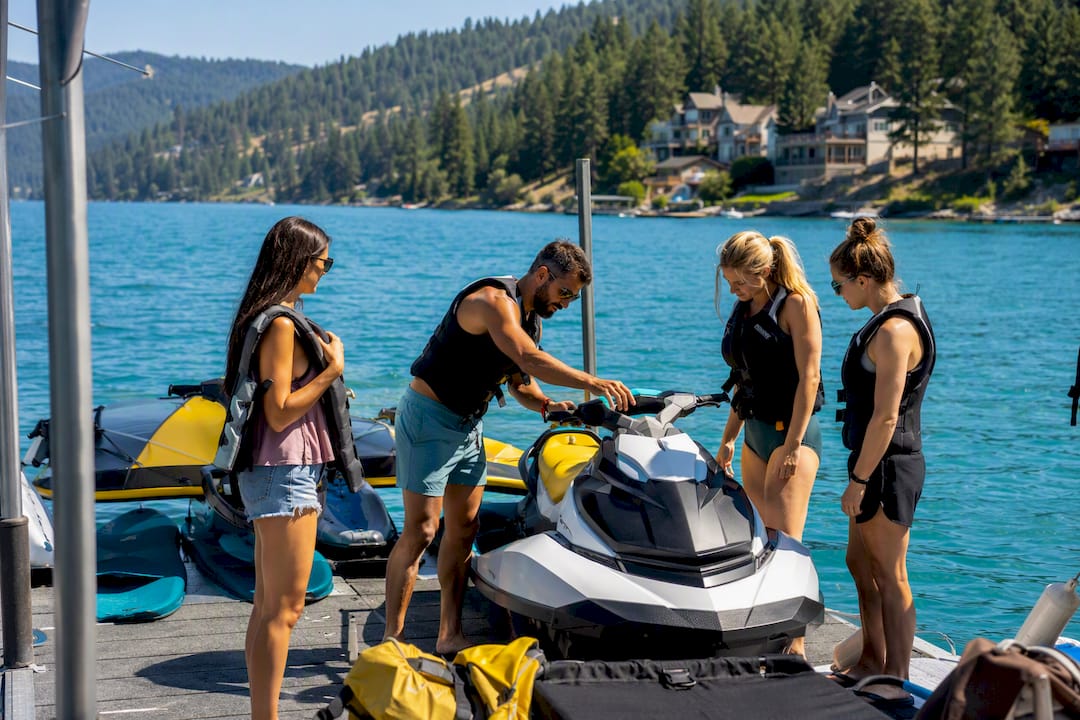
Option two: buy the operator's damage waiver at checkout. It's convenient and usually cheap relative to the boat's value, but read the exclusions closely, since gross negligence and intoxicated operation are almost always carved out.
Option three: purchase a short-term or temporary policy through an insurer, often priced under $50 for a single day, with annual versions for frequent renters running $300 to $700 depending on coverage, per PTL Insurance's cost breakdown.
Your homeowners or personal umbrella policy might extend some liability protection to a rental boat, but it almost never covers hull damage. Progressive's own guidance on non-owned watercraft coverage is blunt about that gap.
A quick comparison: a one-day short-term policy might run $30 to $45 and cover a defined liability limit plus some hull protection. A rental company's waiver might cost $25 to $60 for the same day but only cap your deductible exposure, with no liability limit of its own.
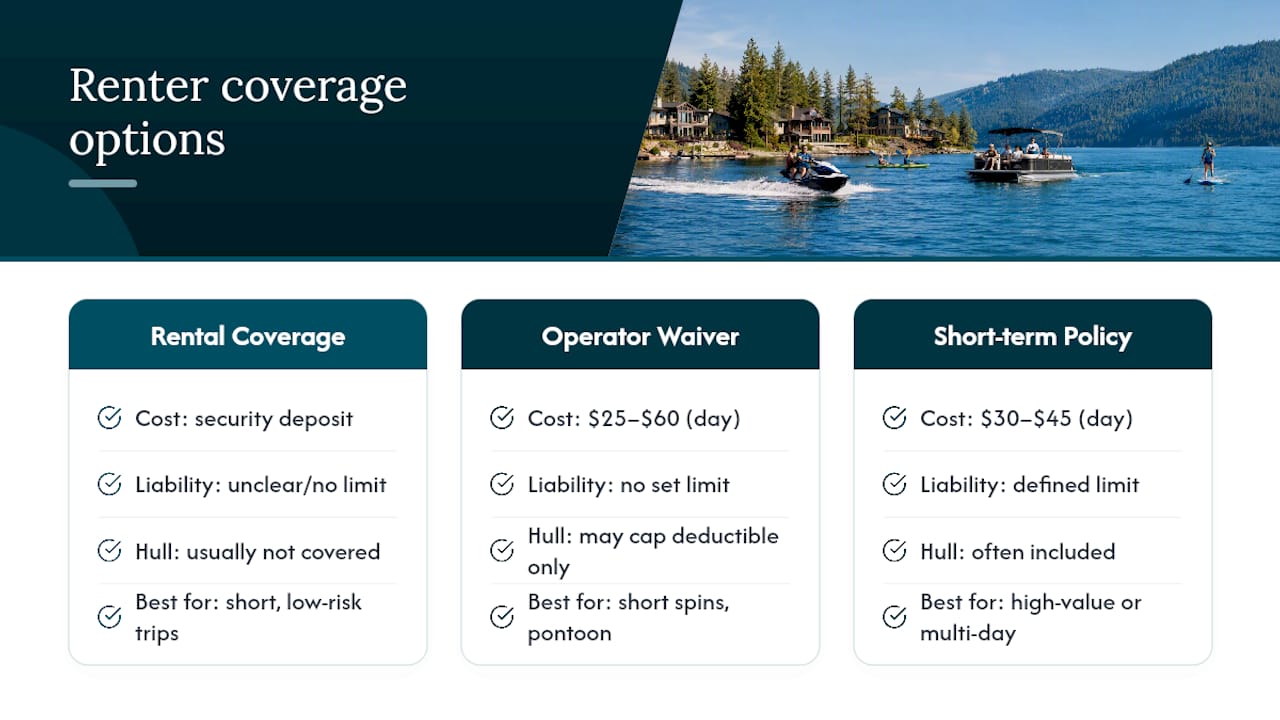
Pro Tip: Choose a short-term policy over a waiver when you're renting a higher-value boat, taking multiple people out, or planning a multi-day trip. For a quick two-hour spin on a pontoon, the operator's waiver is usually enough.
How Do You Verify Coverage Before You Cast Off?
Do this on the dock, before the engine starts, not after.
Ask for the policy's declarations page, confirm the named insured, check the effective dates cover your rental window, and verify the covered territory actually includes the lake you're on. Get the liability limits, hull coverage details, and deductible amount in writing, plus a claims contact number.
- Digital PDFs or a quick call to the insurer both count as acceptable proof.
- If you're only offered a waiver, get its exclusions and cap amount in writing, not verbally.
- Take time-stamped photos of the boat's condition, hull, and any existing scratches before you leave the dock.
Ask the rep directly:
- "Does this waiver cover sinking, grounding, and fuel spills?"
- "What's my deductible if I damage the propeller or hull?"
- "Is medical payment coverage included for passengers?"
- "Does coverage extend to every person named on this rental?"
Pro Tip: If a rep can't answer these six questions without checking with a manager, treat that as a red flag about how the waiver actually pays out.
What Does Short-Term Boat Insurance Typically Cost?
One-day policies are often marketed under $50, while annual options for frequent renters commonly land between $300 and $700, according to PTL Insurance. Rental company waivers tend to fall in a similar range for a single day, though pricing varies by boat class.
Several factors move the price up or down:
- Boat value and horsepower — bigger, faster boats cost more to insure for a day.
- Operator experience — some short-term insurers ask about boating history.
- Distance offshore and passenger count — open-water trips and full boats raise exposure.
- Local risk — busy harbors or regions with expensive salvage rules push premiums higher.
A higher deductible lowers your daily premium but raises what you pay out of pocket if something goes wrong, so match the deductible to what you can actually afford to cover.
What Should You Do If Damage or an Injury Happens?
- Make sure everyone is safe first; call 911 or the marine patrol if anyone is hurt.
- Notify the rental company immediately, even for minor damage.
- Document the scene with photos and video before anything gets moved or repaired.
- Exchange contact and insurance information with any other boaters involved.
- Contact your short-term insurer or the waiver provider to start a claim.
Deposits, waivers, and insurer investigations usually work in sequence: the rental company may hold your deposit while it assesses damage, the waiver (if you bought one) caps what you owe, and any liability claim from a third party goes through the applicable insurer.
Keep these on your phone before you rent:
- Photos of pre-existing damage and the incident itself.
- Names and contact info of any witnesses.
- A copy of your rental contract.
- Your policy or waiver confirmation number.
How Do Rental Companies Present Insurance at Booking?
A typical booking flow works like this: the operator may require proof of liability coverage where state law demands it, offer an optional damage waiver at checkout, and let you add a short-term policy either during booking or shortly after. Coverage under a waiver or policy usually extends to everyone named on the rental agreement, not just the person who booked it.
- Waivers and short-term policies both generate a confirmation number, kept with your rental paperwork.
- Some booking platforms bundle cancellation and multi-risk coverage in a single purchase, similar to what Emerald Coast By Owner's guide to vacation rental insurance describes for other rental categories.
Pro Tip: Add or confirm optional protections before the day of your trip whenever possible; last-minute additions at the dock can slow down departure.
What Coverage Should Renters Actually Prioritize?
Liability comes first, every time. Hull protection or a waiver matters, but a lawsuit over an injury will cost you far more than a scraped hull ever will. We built our own booking process around that priority: renters see their protection options clearly at checkout, and our team walks through what's covered before anyone touches a throttle. For more on how operators split responsibility during a rental, our post on the role of the captain on a rental boat covers the operational side of that split.
How Goldenwatersports Handles Insurance at Booking
Goldenwatersports is the practical alternative to guessing your way through waiver fine print on the day of your trip. Every rental includes required safety equipment, and you'll see optional damage protection clearly laid out during online checkout, not buried in a contract you sign at the counter. If you'd rather bring your own short-term policy, our team will tell you exactly what documentation to have ready before you show up.
Family groups heading out on Lake Coeur d'Alene get the same straightforward treatment: clear pricing, safety gear included, and a booking desk that answers coverage questions before you're standing on the dock with the engine running. Check current availability and pricing on our Coeur d'Alene rental page, or look at jet ski rentals near Liberty Lake if that's your closer launch point. Book online or call ahead, and confirm your protection options before your date locks in.
Frequently Asked Questions
Does renters insurance cover boats? No. Standard renters insurance for apartments or homes does not cover boats at all, rented or owned. That's a separate insurance category entirely.
Do I need boat insurance if I'm just renting for a day? Not always legally, but it's smart. Most states don't require it, though Florida, Arkansas, and Utah have specific rules depending on the situation, per PTL Insurance. Even where it's not required, a damage waiver or short-term policy protects you financially.
What's the difference between a damage waiver and boat insurance? A waiver typically caps your deductible exposure for accidental damage and is sold by the rental company. Short-term boat insurance is an actual policy with defined liability limits, purchased from an insurer, and usually covers more than the waiver does.
Will my auto insurance cover a rental boat? Generally no. Auto policies don't extend to watercraft, and even boat owner's policies rarely cover a boat you don't own.
What's the most affordable way to get coverage as a renter? A short-term, one-day policy priced under $50 is often the cheapest way to get real liability and some hull protection, cheaper than most people expect relative to potential repair costs.
This article is general information, not a substitute for advice from a qualified financial advisor. Consult a qualified financial professional about your own circumstances before acting on anything here.
Sources
- Boat rental insurance (Progressive) — Do you need coverage when renting a boat?
- Boat insurance for renters: 5 Essential Tips for 2025 Success
- Do Renters Need Boat Insurance? Coverage Choices To Know | Freedom Insurance in North Carolina
- Do I Need Insurance When I Rent a Boat? 7 Best Facts 2025