
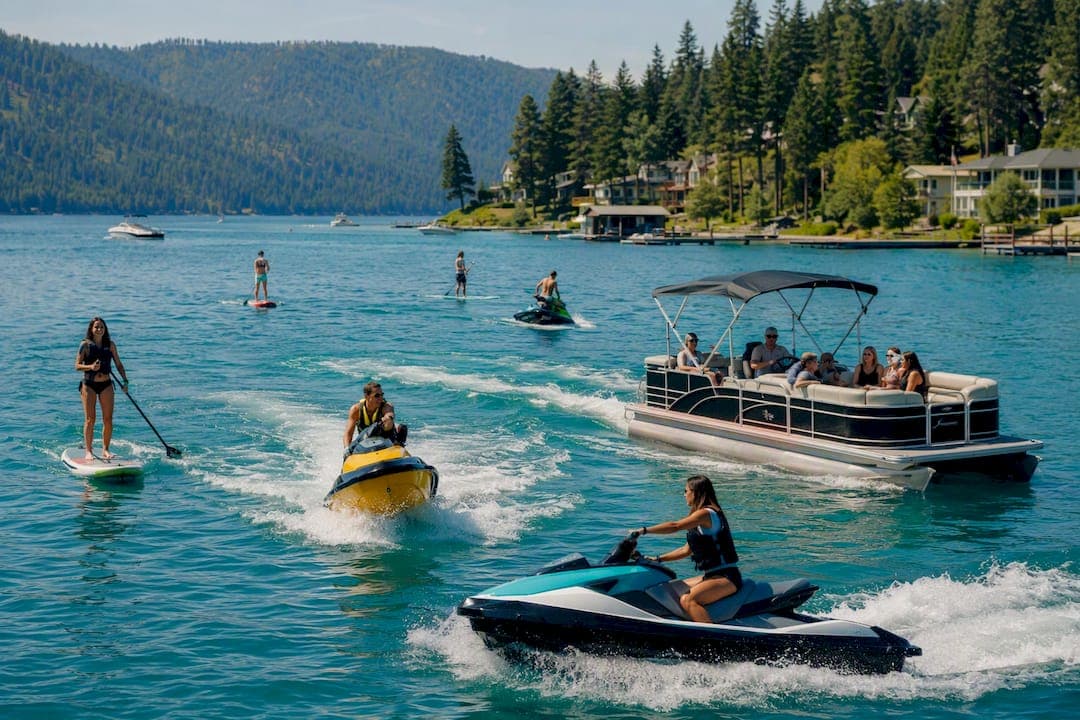
A watersports liability waiver is the form you sign before renting a boat, jet ski, or paddleboard that acknowledges the risks of the activity and releases the rental company from certain legal claims. Two things matter most: it typically covers ordinary risks like collisions, falls, and minor equipment issues, but it usually can't protect an operator from claims involving negligence, gross negligence, or poor equipment maintenance.
Before you sign, scan for these common elements:
- Assumption of risk — you acknowledge water sports carry inherent danger
- Release — you give up the right to sue for certain injuries or losses
- Indemnity clause — you agree to cover the company's costs if you cause damage
- Medical consent — permission to seek emergency care on your behalf
- Governing law — which state's laws apply if there's a dispute
Key Takeaways
A water sports liability waiver releases a rental company from claims tied to ordinary risks, but it rarely protects against negligence, poor maintenance, or gross misconduct.
| Point | Details |
|---|---|
| Know the two waiver types | A damage waiver covers craft repair costs; a liability waiver addresses personal-injury claims. |
| Read for named activities | A waiver naming your specific activity holds up better in court than vague, general language. |
| Operator duties still apply | Maintenance failures and skipped safety briefings can undercut a waiver's protection. |
| Document everything after an incident | Photos, witness names, and a written incident report protect your claim and insurance options. |
| Choose a transparent operator | Goldenwatersports explains waiver terms and damage-waiver options in plain language before you sign. |
Table of Contents
- What a Water Sports Waiver Typically Covers
- What Liability Waivers Usually Don't Cover
- Damage Waiver vs. Liability Waiver: Know the Difference
- What the Rental Company Still Has to Do
- How to Read a Water Sports Waiver Before You Sign
- Before You Sign: What to Check and What to Ask
- What to Do If Something Goes Wrong
- What Waivers and Add-Ons Typically Cost
- How Goldenwatersports Handles Waivers and Safety
- Why Clear Waivers Matter to Us
- Ready to Book With an Operator That Explains Every Clause
- Sources
What a Water Sports Waiver Typically Covers
A liability waiver spells out exactly what risks you're accepting and what claims you're giving up in exchange for using the equipment. Most waivers used by boat and jet ski rental companies share a similar structure, even if the wording varies from one outfitter to the next.
Here's what shows up in nearly every one:
- Assumption of risk language naming the specific activity (jet skiing, tubing, wakeboarding) rather than vague "water sports" wording
- A release clause covering ordinary risks like capsizing, collisions with other watercraft, sunburn, or muscle strain
- Indemnity language making you responsible for the owner's losses if your actions cause damage to the craft or injure someone else
- Medical consent authorizing emergency treatment if you're hurt while the rental is in your care
- Governing law and venue clauses stating which state's courts would handle any dispute
Some rental agreements also fold in optional damage-waiver language that's separate from the personal-injury release, covering things like a scraped hull or a bent propeller. That distinction trips people up constantly, and it's worth understanding before you get to the counter. If you're renting a jet ski specifically, it helps to know what's included in the rental before you assume the waiver covers something it doesn't.
What Liability Waivers Usually Don't Cover
Signing on the dotted line doesn't hand the rental company a blank check. Courts routinely look at whether the waiver was clear, whether it specifically named the activity that caused the injury, and whether the company actually held up its end of the safety bargain.
Here's what a waiver generally can't shield an operator from:
- Gross negligence or reckless conduct by the company or its staff
- Intentional misconduct, like knowingly renting broken equipment
- Statutory claims that many states don't allow to be waived at all
- Failure to maintain equipment or missing safety briefings
- Minors signing without a parent or guardian's consent
- Vague or unconscionable language that a court finds too broad to enforce
Rental watercraft waivers aren't absolute shields. Courts often examine the waiver's clarity and the operator's actual conduct, and a signature doesn't erase claims tied to negligence or improper upkeep.
A waiver that never mentions the specific hazard involved, like a known steering defect, is far weaker in court than one that spells out the exact risk. The gap between "general water risks" and "this jet ski's known mechanical issue" is often where a case gets decided.
Picture two scenarios: a jet ski's throttle sticks because the rental shop skipped its inspection routine, versus a renter who ignores the no-wake zone and clips a dock. One points back at the operator. The other points back at the renter. The waiver treats them very differently.
Damage Waiver vs. Liability Waiver: Know the Difference
These two terms get used interchangeably at the counter, but they protect against completely different things. A damage waiver covers repair costs to the boat or jet ski itself. A liability waiver covers personal injury and legal claims between you and the rental company.
- Damage waiver: typically reduces or removes your deductible for dings, prop strikes, or hull scrapes; usually costs $25 to $100 depending on the craft and coverage tier
- Liability waiver: doesn't cost extra, isn't optional, and addresses who can sue whom if someone gets hurt
- Common exclusions on damage waivers: operating while intoxicated, gross negligence, or ignoring posted rules almost always void the coverage
Pro Tip: Read the damage-waiver fine print for the actual deductible amount and the word "exclusions." If intoxication or "reckless operation" appears anywhere near that clause, know exactly what counts as reckless in that company's eyes before you sign.
What the Rental Company Still Has to Do
A signed waiver doesn't erase the rental company's basic responsibilities. Operators still have to maintain their fleet, brief renters on safety procedures, and disclose known hazards honestly. A waiver doesn't absolve a rental business of its duty to provide training, safe equipment, and supervision, and renters can still have a claim when the company drops the ball on those fronts.
These duties typically include:
- Keeping equipment in safe working condition, with documented inspections
- Running an actual safety briefing, not just handing over paperwork
- Disclosing known mechanical issues or hazardous lake conditions
- Screening operators for age and experience, especially for PWCs and bareboat rentals
A common example: a renter gets hurt after a steering cable snaps that the shop knew was worn. That's a maintenance failure, not an assumed risk. Duties also shift depending on the arrangement. A captain-required charter puts more responsibility on the operator running the boat, while a bareboat rental shifts more operational duty onto you as the renter.
How to Read a Water Sports Waiver Before You Sign
Most people skim a waiver in thirty seconds and sign. That's a mistake worth avoiding, even if it costs you an extra two minutes at the counter.
Work through it in this order:
- Who's released — is it just the company, or also employees, owners, and affiliated businesses?
- What activities are named — does it list your specific activity, or just "water sports" generally?
- Damage-waiver terms — what's the deductible, and what voids the coverage?
- Indemnity language — could you be on the hook for someone else's injuries or the company's legal fees?
- Insurance disclosures — does the form say whether the company carries liability coverage?
- Emergency procedures — is there a clear plan for what happens if something goes wrong?
- Signature timing — are you signing before or after you've had a chance to inspect the equipment?
Watch for these red flags:
- One-sided indemnity that makes you liable for nearly everything, regardless of fault
- Broad, all-purpose releases that don't mention your actual activity
- Buried governing-law clauses naming a state with no connection to the rental
- Impractical "void if" rules, like voiding coverage for hitting minor wake chop
Pro Tip: You can ask for changes. Request that indemnity language be narrowed to cover only damage you actually cause, or ask the staff to specify which activities the waiver applies to if the form is vague. A reputable operator will explain the clause, not just wave you toward the signature line.
Before You Sign: What to Check and What to Ask
A few minutes of inspection before you sign can save you a much longer conversation later. Walk the equipment first: check that personal flotation devices are present and in good shape, confirm the engine starts cleanly, check fuel level, and make sure the lanyard kill switch on a jet ski actually works.
Ask the staff directly:
- Does my homeowner's or umbrella insurance cover this rental, or do I need the damage waiver? Personal policies often don't extend automatically to short-term watercraft rentals
- What does the damage waiver cost, and what's excluded?
- What's the weather or cancellation policy if conditions turn?
- Are there age or experience requirements for the person actually operating the craft?
Minors generally can't sign a binding waiver themselves. A parent or guardian typically has to sign on their behalf, and most operators won't rent a PWC to anyone visibly intoxicated regardless of who signed what.
What to Do If Something Goes Wrong
If there's an injury or equipment damage during your rental, your first moves matter both for safety and for any later claim.
- Get medical attention first. Nothing else matters until injuries are addressed.
- Report the incident to the rental operator immediately, and note the time, location, and water conditions.
- Photograph or video the scene, the equipment, and any visible damage or injury.
- Collect names and contact information for any witnesses on the water.
- Request a written incident report from the operator before you leave.
If a boat or jet ski was damaged, your damage waiver (if purchased) or the company's insurance will guide next steps, so ask what paperwork they need from you before you go.
Pro Tip: Don't admit fault on the scene, even out of politeness. Stick to facts when describing what happened, and involve local authorities or the Coast Guard for anything serious.
What Waivers and Add-Ons Typically Cost
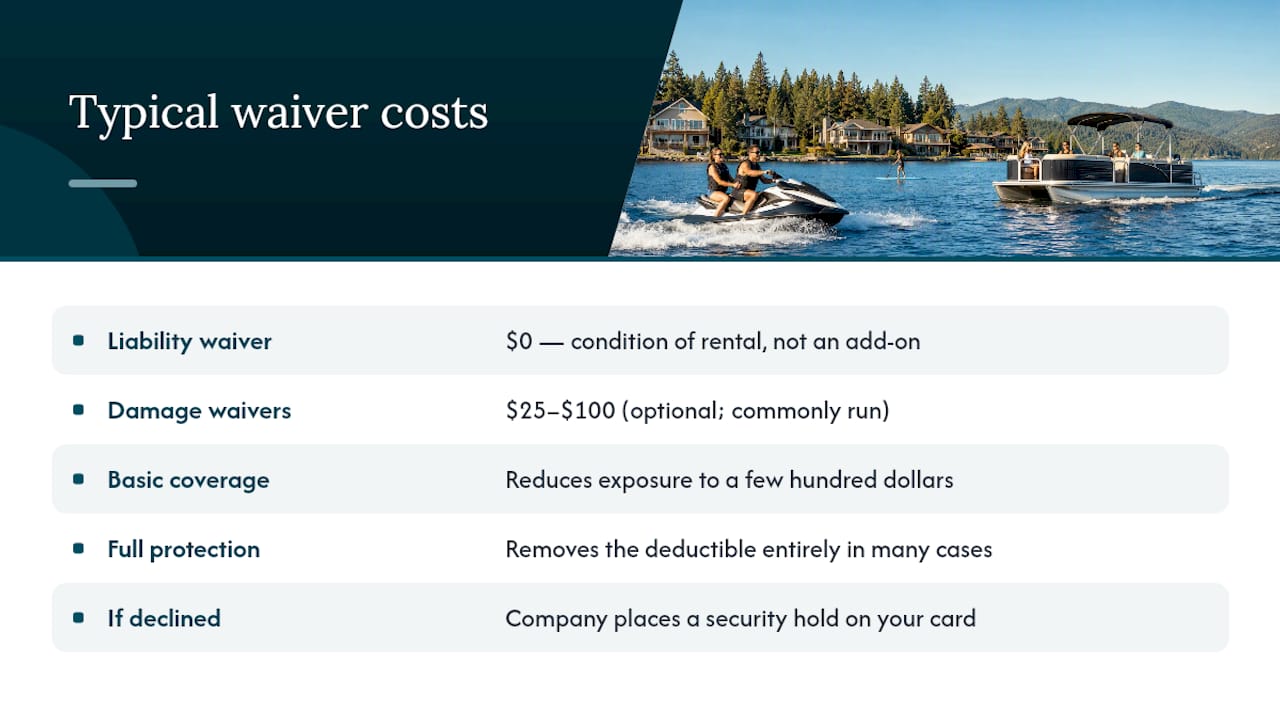
Optional damage waivers commonly run $25 to $100, with basic coverage reducing your exposure to a few hundred dollars and full protection removing the deductible entirely in many cases. The liability waiver itself doesn't cost anything. It's a condition of the rental, not an add-on.
Signing usually takes just a few minutes if you show up prepared. Bringing ID and proof of insurance ahead of time speeds things along, and some operators let you review check-in steps online before you arrive. If you decline the damage waiver, expect the company to place a security hold on your card instead.
How Goldenwatersports Handles Waivers and Safety
Goldenwatersports has rented boats, jet skis, and paddleboards to families and first-timers across Coeur d'Alene, Liberty Lake, and Spokane Valley for years, and the waiver process reflects lessons learned on the dock, not just legal boilerplate.
A waiver only holds up when the practices behind it are real. If a company can't show it inspected the equipment or briefed the renter, the paperwork does very little.
Every rental includes a real pre-trip safety briefing, not a rushed summary, following kid-friendly boat tours safety practices that help ensure family outings on the water are secure and enjoyable. Practices include:
- USCG-compliant PFDs checked and fitted before departure
- Documented equipment checks logged before each rental leaves the dock
- Qualification checks that distinguish bareboat renters from those needing a captain
- Optional damage-waiver choices explained in plain language, not buried in fine print
- Timestamped electronic signatures that create a clear record for everyone
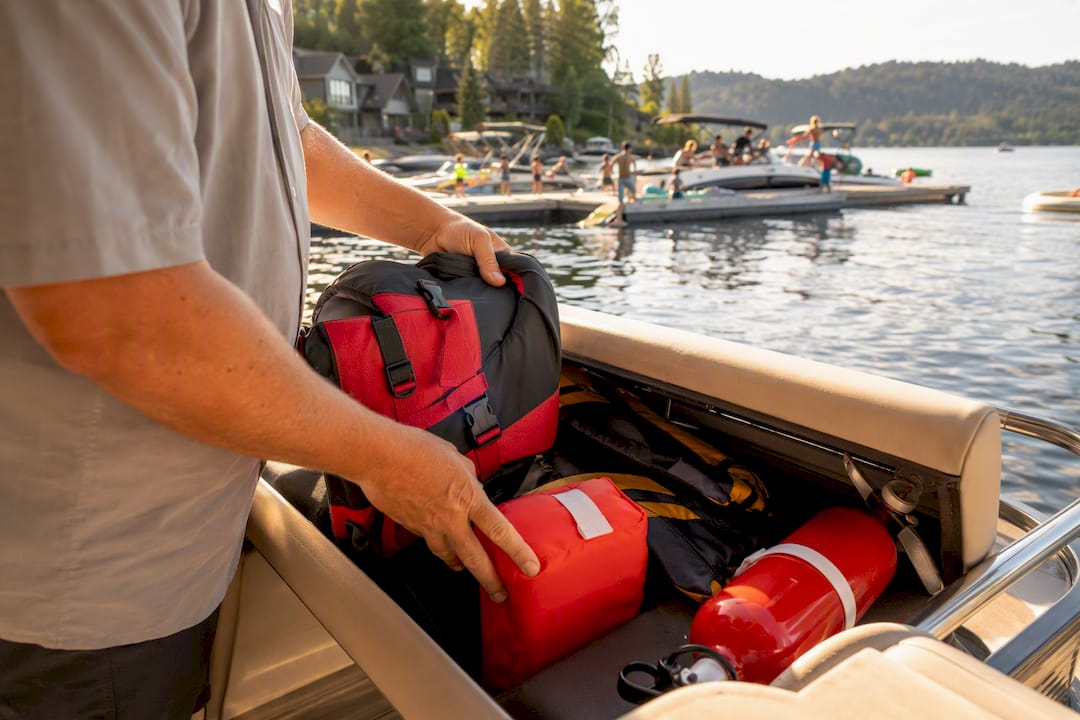
Renters heading out with kids benefit from the same equipment-loading practices that guide every water toy rental at the shop.
Why Clear Waivers Matter to Us
Waivers work best when both sides understand them, not when one side hopes the other won't read closely. I'd rather spend three extra minutes explaining an indemnity clause than have a renter discover it the hard way later.
Buy the damage waiver if you're new to the craft or renting during busy lake traffic. Skip it only if you're experienced and comfortable with the deductible. Walk away from any operator who rushes your signature or dodges direct questions.
For more on getting ready for a day on the water, see our guides on the best things to do on Lake Coeur d'Alene, jet ski rentals for first-timers, and boat safety tips for families.
Ready to Book With an Operator That Explains Every Clause
Goldenwatersports gives you the plain-English breakdown most rental counters skip, so you know exactly what you're signing before you ever touch a throttle. Every rental includes a real safety briefing, clearly explained damage-waiver options, and a fleet of Yamaha WaveRunners, pontoons, and paddleboards serving Coeur d'Alene, Liberty Lake, and Spokane Valley.
Check current rates and optional add-ons before your trip, or if you're set on a jet ski at Newman Lake, see availability and book directly. Families planning a group outing on Liberty Lake can also check rental options there and get their questions answered before check-in day.
Sources
- Rental Watercraft and Waivers: Liability Doesn’t Disappear
- Boat Rental Agreement: Key Terms, Deposits, and Liability - LegalClarity
- Renting a Water Ski: Can You Still Sue if You're Injured and Signed a Waiver? - Law Office of Cohen & Jaffe
- Boat Charter and Rental Liability Waivers: Captain Authority, PFD Requirements, and Charter Workflows | Formfy Blog
- Renting a Boat or Jet Ski This Summer? The Insurance Checklist to Use Before You Sign the Waiver
Seek legal advice directly for serious injuries or suspected gross negligence.
This article is general information, not a substitute for advice from a qualified lawyer. Consult a qualified legal professional about your own circumstances before acting on anything here.