
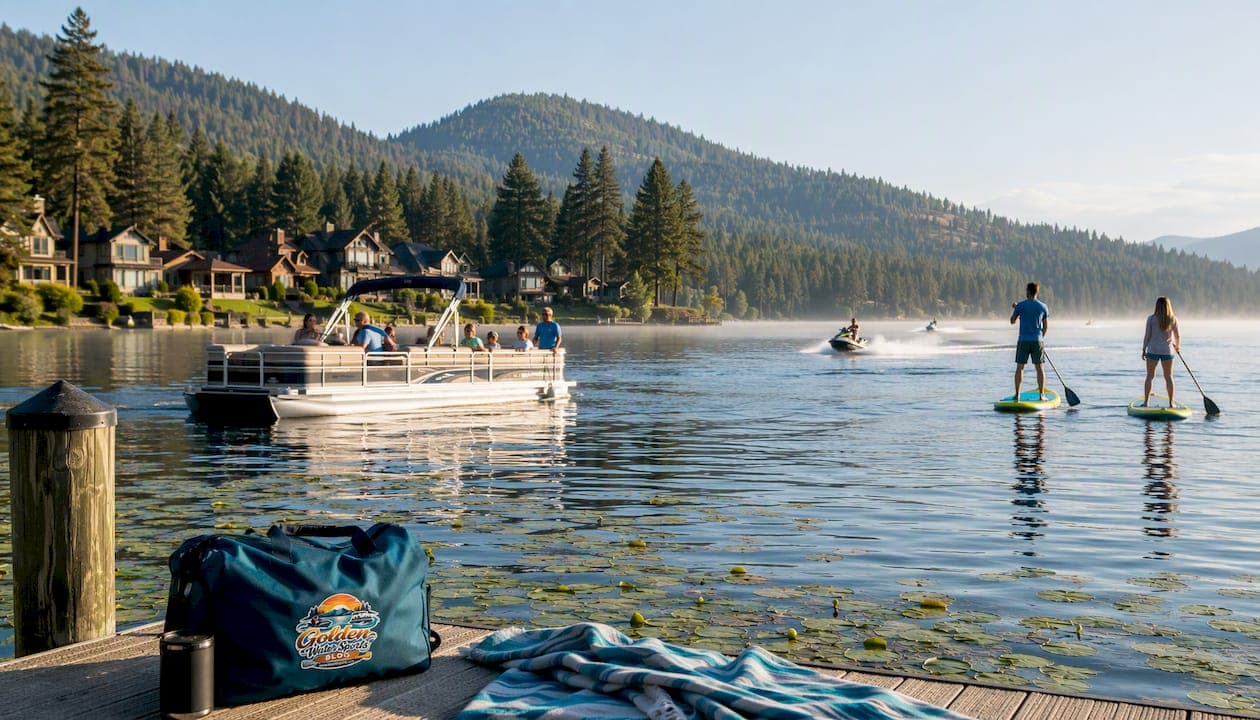
Early morning hours are usually the calmest time to boat because winds are lightest, the overnight boundary layer is stable, and human traffic on the water is minimal. Three forces work together to create that glassy surface: the diurnal wind cycle (land hasn't heated enough yet to drive pressure gradients), overnight boundary-layer stabilization that suppresses gusty surface winds, and the simple fact that most powerboats haven't launched yet.
- Diurnal wind cycle: Land cools overnight, equalizing pressure between water and shore. No temperature difference means no thermally driven wind.
- Boundary-layer stabilization: The lowest layer of the atmosphere settles and stratifies overnight, damping turbulence at the surface.
- Low boat traffic: Fewer wakes, less noise, and calmer water before the day-trip crowd arrives.
Quick tip: Target your launch between sunrise and 9:00 a.m. and check NOAA/NWS marine forecasts or the National Data Buoy Center (NDBC) before leaving the dock.
Table of Contents
- Why morning boating hours are calmer: the meteorology behind it
- How fewer boats on the water make mornings more peaceful
- How waterbody type and local geography shape your morning calm
- What calmer mornings actually give you on the water
- When mornings are NOT calm: exceptions worth knowing
- How long the calm window lasts and when to launch
- Quick checklist: what to bring for a calm-morning outing
- What research and experienced boaters say about morning outings
- Key Takeaways
- The case for going out earlier than feels comfortable
- Where to check forecasts and local observations before you go
Why morning boating hours are calmer: the meteorology behind it
Overnight, land loses heat faster than water. By dawn, land and water temperatures are close to equal, so there's almost no pressure gradient pushing air from one to the other. The result is a stable atmospheric boundary layer sitting just above the surface, suppressing the mixing that creates gusty winds.
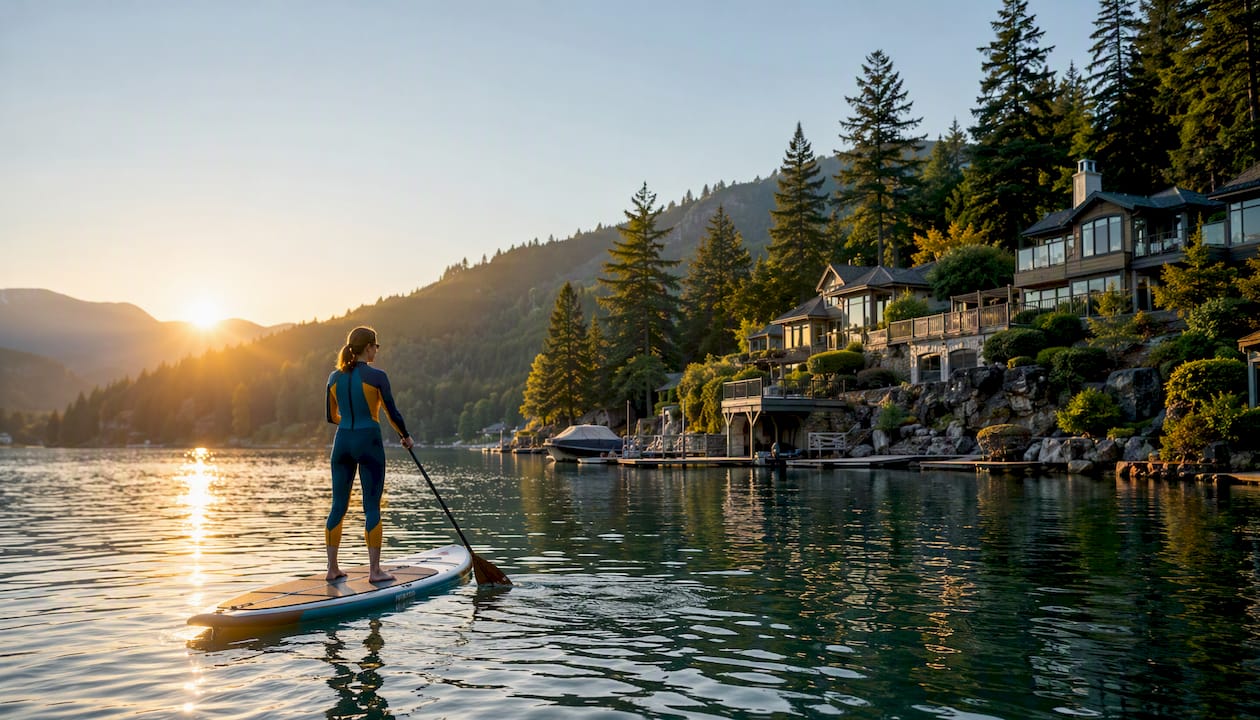
Once the sun rises, land starts warming again. By mid-morning, that temperature gap reopens. Warmer air over land rises, cooler air over water rushes in to replace it, and you get the classic sea breeze or valley wind. On inland lakes surrounded by hills, the same mechanism produces thermally driven valley winds. Experienced captains time departures to exploit the stable pre-mixing window before that cycle kicks in.
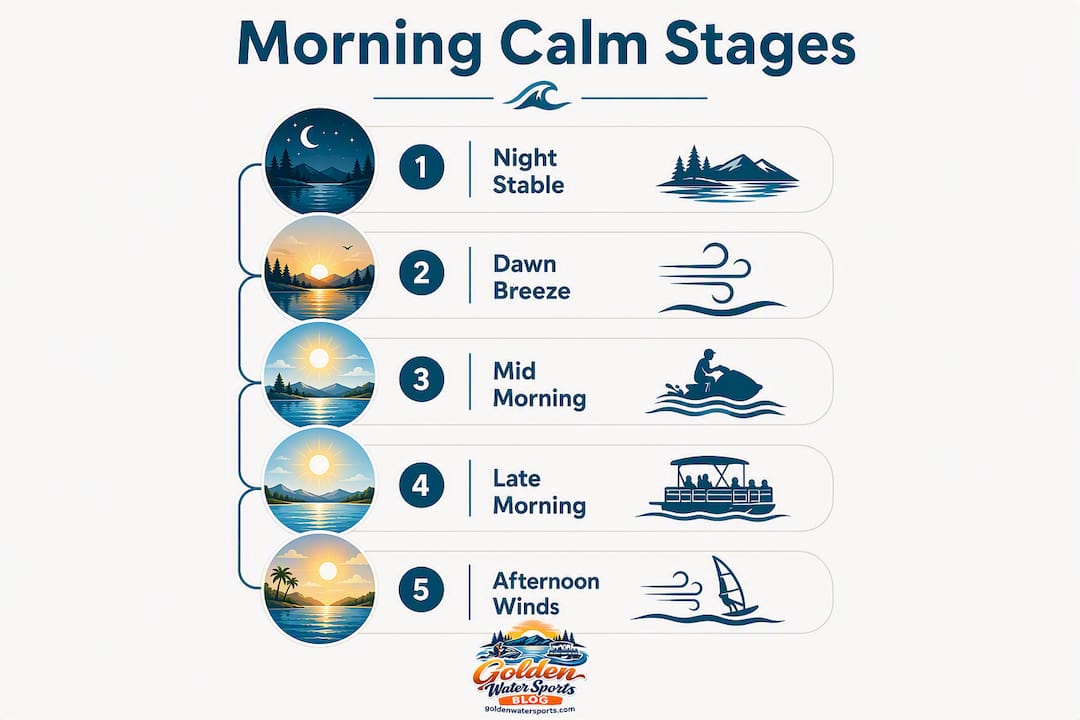
A simple way to picture it:
Night → stable boundary layer → glassy surface Dawn → thin mixing begins → light variable breeze Late morning → mixed layer deepens → winds build steadily
Water itself changes more slowly than air. Thermal stratification keeps the upper layer cooler and denser in the morning, which also reduces chop driven by surface instability.
Pro Tip: Check the NWS local marine forecast the evening before, not just the morning of. Overnight frontal passages can disrupt the boundary layer entirely and make a typically calm morning rough before you even reach the dock.
How fewer boats on the water make mornings more peaceful
The meteorology explains the wind. Human activity explains the rest. Most recreational boaters, water-skiers, and tubers don't launch until 9:00 or 10:00 a.m. on weekends. Before that, boat traffic is dramatically lower, which means fewer wakes crossing your path and far less engine noise.
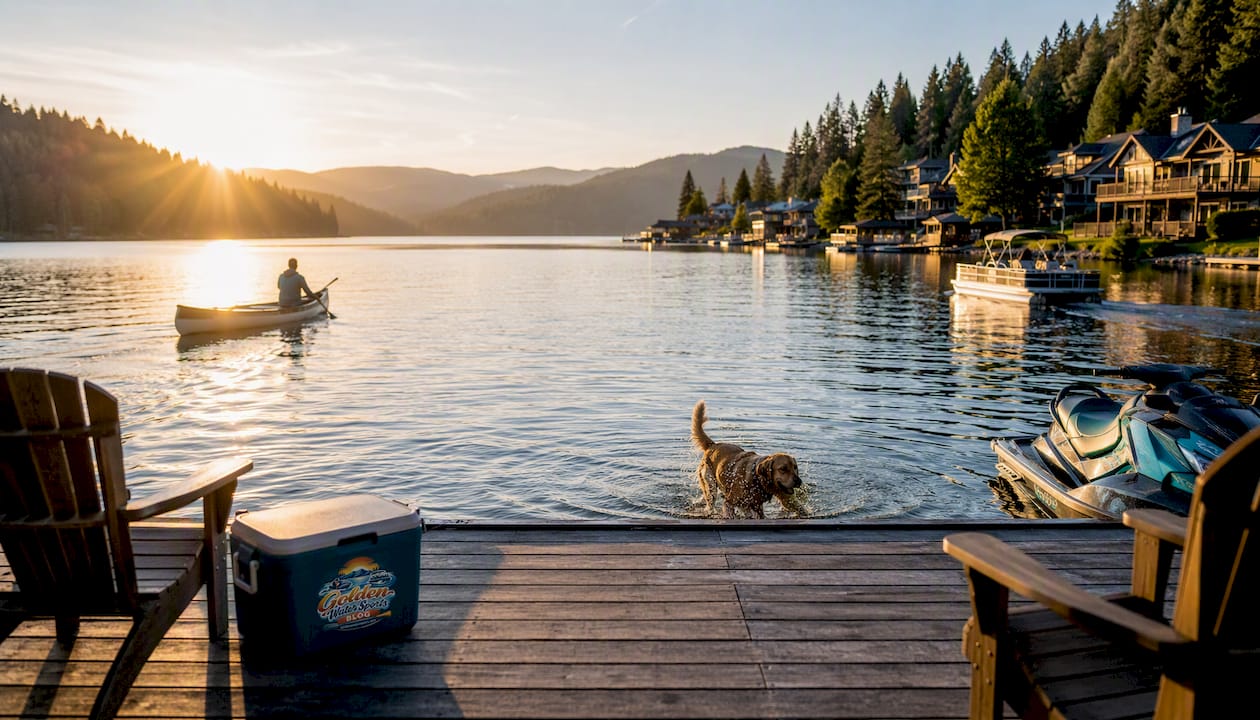
Anglers and paddlers are the exception. They're already out at first light, moving slowly and quietly. That's actually useful context: if you see fishing boats on the water at 6:00 a.m., conditions are almost certainly calm enough to be out.
Morning vs. mid-afternoon on a typical summer weekend:
- 6:00–8:00 a.m.: A handful of fishing boats and kayaks; surface nearly flat; ambient noise is birdsong and light wind
- 9:00–11:00 a.m.: Rental launches begin; wakes start crossing; wind building from shore
- 12:00–3:00 p.m.: Peak traffic; crossed wakes from multiple directions; wind at or near daily maximum
Less wake reduces the rolling motion that triggers seasickness, and flatter water means sharper reflections for photography. Operators consistently recommend the first departure slot for the quietest, most photogenic experience before subsequent launches crowd the water.
How waterbody type and local geography shape your morning calm
Not every body of water calms down the same way. Fetch (the distance wind travels over open water), tidal currents, and local topography all change the picture.
| Water type | Common cause of surface motion | Typical morning calm window | What to watch locally |
|---|---|---|---|
| Sheltered inland lake | Thermally driven valley wind | Longest: often sunrise to 10–11 a.m. | Valley orientation; surrounding ridgelines |
| Sheltered bay / estuary | Tidal current plus local wind | Moderate: calm until sea breeze onset | Tide tables; channel narrows |
| Open ocean / exposed coast | Swell plus offshore/onshore wind | Shortest: swell persists regardless of wind | Swell period and direction; offshore buoys |
| River | Current-driven chop | Variable: depends on flow rate, not time of day | Upstream dam releases; seasonal flow |
Lake Coeur d'Alene sits in a valley, which means surrounding ridgelines block early wind and the calm window typically lasts longer than on exposed coastlines. That's a genuine advantage for anyone renting a pontoon or paddleboard there.
What calmer mornings actually give you on the water
The practical payoff is real and covers more than just a smoother ride.
- Reduced seasickness: Flat water means less rolling. Passengers who struggle with motion on choppy afternoon water often have no issues at all in the morning.
- Easier onboard movement: Walking to the bow, handing out snacks, helping kids with life jackets — all of it is safer when the deck isn't pitching.
- Better fishing: Fish feed actively near the surface at dawn. Calm water lets you position quietly without spooking them.
- Wildlife viewing: Animals forage closer to shore at first light with less human disturbance. On Lake Coeur d'Alene, osprey, herons, and deer at the waterline are common sights before 8:00 a.m.
- Photography: Flat water creates mirror-like reflections. Morning mist burns off slowly, adding atmosphere that's gone by 9:30 a.m.
- Cooler temperatures and lower UV: Early morning UV index is a fraction of midday levels, which matters especially for kids and fair-skinned passengers.
For a pontoon family outing, calm morning conditions are close to ideal: stable deck, cool air, and scenery that's genuinely worth stopping for.
When mornings are NOT calm: exceptions worth knowing
The diurnal cycle is reliable, not guaranteed. Several conditions can make a morning just as rough as any afternoon.
- Frontal passages: A cold or warm front moving through overnight leaves residual wind and chop that doesn't settle until the front clears, sometimes not until midday or later.
- Katabatic (downslope) winds: In valley and mountain terrain, dense cold air drains downhill overnight and can produce strong gusts before dawn, especially in fall and winter.
- Strong tidal currents: In bays and estuaries, an outgoing tide at dawn can create standing waves and confused chop regardless of wind speed.
- Large commercial traffic: Ferries, barges, and large charter vessels generate wakes that persist long after the vessel passes. Near busy harbors, these can arrive before 7:00 a.m.
Before any launch, check the NWS marine forecast, scan NDBC buoy observations for real-time wind and wave data, and listen to VHF weather radio (channel WX-1 through WX-7). If a front is forecast or buoy winds are already above 10–15 knots, delay or choose a sheltered route. Always carry standard USCG-required safety gear regardless of how calm conditions look at the dock.
How long the calm window lasts and when to launch
The calm window is real but finite. On most inland lakes in the Pacific Northwest, it runs from sunrise until roughly 9:00–11:00 a.m. in summer. Coastal areas often see an earlier sea-breeze onset, sometimes by 8:00 a.m. on warm days. In spring and fall, the window can extend later because land heats more slowly.
- Check buoy or webcam observations the morning of your trip, not just the forecast. Real-time surface wind from a nearby NDBC buoy tells you what's actually happening, not what was predicted 12 hours ago.
- Consult the NWS local marine forecast for the expected time of sea-breeze or valley-wind onset. That's your deadline for being on the water.
- Arrive at the dock 15–20 minutes early. Rigging, safety briefings, and fueling eat time. A 7:00 a.m. launch window doesn't help if you're still at the ramp at 7:30.
- On marginal days, delay 30–60 minutes. If buoy winds are light but the forecast shows a front approaching, a short delay often lets you see whether conditions are improving or deteriorating before committing.
Pro Tip: For Lake Coeur d'Alene and Liberty Lake, the Spokane NWS office issues zone forecasts that include inland lake wind guidance. Bookmark that page and check it the night before alongside the NDBC buoy nearest your launch point.
Quick checklist: what to bring for a calm-morning outing
- Launch time confirmed: Sunrise to 9:00 a.m. target; earlier is better in summer
- Forecast checked: NWS marine forecast plus buoy observations reviewed the night before and morning of
- Layered clothing: Water temperatures and air temperatures diverge sharply at dawn; a windproof layer is worth carrying even on a warm day
- Sun protection: SPF 30+ sunscreen and UV-blocking sunglasses; UV builds fast once the sun clears the ridgeline
- Motion-sickness prevention: Medication or acupressure bands for sensitive passengers; take medication 30–60 minutes before boarding
- Midship seating for sensitive passengers: The center of the boat moves least; seat anyone prone to motion sickness there
- Camera protection: Morning mist and condensation can soak unprotected gear quickly
- Safety gear briefing: Life jackets fitted and on before departure; emergency procedures reviewed with all passengers
For first-time renters, booking an early-morning slot and choosing a pontoon for its flat, stable deck is the lowest-stress way to start. Goldenwatersports offers flexible morning rental windows at Liberty Lake and Coeur d'Alene specifically suited to early departures.
What research and experienced boaters say about morning outings
The science behind morning calm has a wellness dimension that goes beyond smooth water. Early-morning water activity amplifies what researchers call "Blue Health" benefits: reduced cortisol, improved mood, and sharper focus that can persist for hours. Less noise and fewer distractions on calm morning water let those stress-reducing effects take hold more completely than a choppy, crowded afternoon session allows.
Research cited by Paddling Magazine points to measurable downstream benefits for blood pressure and sleep quality from morning exercise on water compared to midafternoon sessions.
For local context, Goldenwatersports' guides on anchoring and lake navigation reflect the same principle: knowing when and where conditions are calmest is as important as knowing how to operate the boat.
Key Takeaways
Morning boating hours are calmer because overnight boundary-layer stabilization suppresses wind, land-water temperature equilibrium eliminates thermal pressure gradients, and boat traffic is minimal before 9:00 a.m.
| Point | Details |
|---|---|
| Launch window | Target sunrise to 9:00 a.m.; inland lakes like Coeur d'Alene often stay calm until 10–11 a.m. |
| Check forecasts first | Use NWS marine forecasts and NDBC buoy observations the night before and morning of departure. |
| Pack for the chill | Bring a windproof layer and sun protection; dawn air is cooler than it looks from shore. |
| Choose sheltered routes | If a front is present or buoy winds exceed 10–15 knots, delay or pick a protected cove. |
| Pontoon for families | A pontoon's flat, stable deck is the safest and most comfortable choice for calm-morning family outings. |
The case for going out earlier than feels comfortable
Most people set their alarm for a "reasonable" morning and arrive at the dock around 9:30 a.m., right as the calm window is closing. The boaters who consistently get the best conditions, the best photos, and the most relaxed experience are the ones who launch before the rest of the world is awake.
As a local operator, Goldenwatersports sees this pattern every season. The guests who book the first slot, arrive early, and choose a pontoon for the family almost always come back. The ones who show up at noon on a Saturday and wonder why the water is choppy and crowded rarely do.
The concrete action: book a sunrise pontoon rental at Liberty Lake or Coeur d'Alene, check the Spokane NWS forecast the night before, and be on the water by 7:00 a.m. Then watch what happens to conditions between 7:00 and 10:00 a.m. That three-hour window will tell you everything you need to know about why morning boating hours are calmer, and you'll never willingly book a noon slot again.
Where to check forecasts and local observations before you go
- NWS Marine Forecasts: Zone-specific wind and wave forecasts; use for expected diurnal wind timing and frontal passages
- NDBC Buoy Data: Real-time surface wind speed, direction, and wave height from the nearest buoy; the most reliable indicator of actual current conditions
- Goldenwatersports rental and pricing page: Check available morning slots, current rental options, and any operator bulletins for Liberty Lake, Newman Lake, and Coeur d'Alene before booking
Ready to catch the calm? Book an early-morning rental with Goldenwatersports and get on the water before the wind and the crowds arrive.