
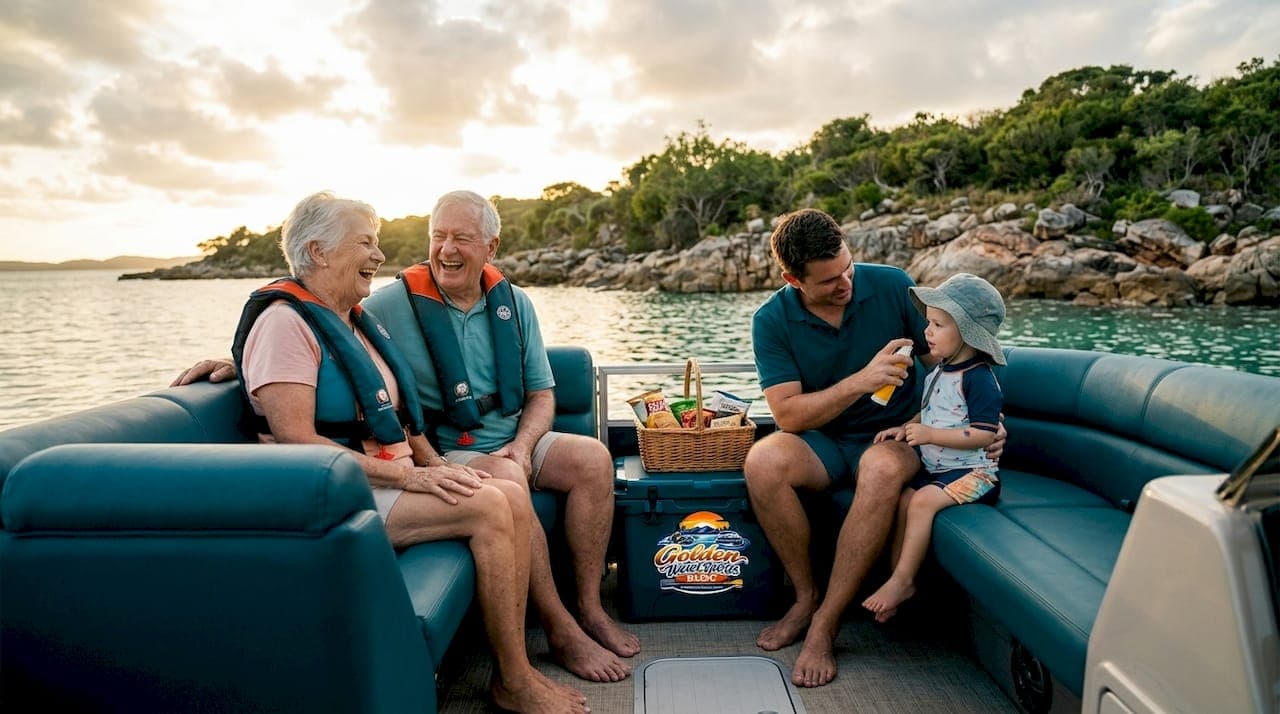
Pontoon boat trips are lake excursions on flat-decked, twin-hulled vessels built for groups who want comfort, stability, and room to move. These outings range from slow scenic cruises through shaded canals to full-day fishing runs and sunset tours with private beach stops. Pontoons work for toddlers, grandparents, and everyone in between, which is why they have become the go-to choice for family lake outings across the country. This listicle covers the best pontoon boat trip ideas, from iconic destinations to accessible local programs, with practical planning tips for every group type.
1. Examples of pontoon boat trips: scenic lake chain tours
Scenic lake chain tours are the most photographed category of pontoon excursions, and for good reason. The route through the Winter Park Chain of Lakes in Florida is a textbook example. You cruise through a series of connected lakes, then dip into narrow canals shaded by ancient trees that create a jungle-like atmosphere you cannot replicate on open water. Wildlife sightings, including herons, turtles, and the occasional alligator, make every turn feel like a discovery.
Scenic experts confirm that narrow canals between lakes deliver the most memorable pontoon experiences, enhanced by canopy shade and wildlife sightings. That means the best scenic routes are not always the widest or most open. Tight, tree-lined passages reward slower speeds and quiet passengers.
-
Winter Park Chain of Lakes, Florida: Five lakes connected by narrow canals, with guided narration and wildlife spotting.
-
Lake of the Ozarks, Missouri: Long, winding arms of open water with coves perfect for anchoring and swimming.
-
Coeur d’Alene Lake, Idaho: Crystal-clear water, forested shorelines, and mountain backdrops that shift color through the day.
-
Boundary Waters, Minnesota: Remote, paddle-friendly routes where pontoons access calm bays unreachable by larger vessels.
Pro Tip: Bring polarized sunglasses on any scenic canal route. They cut glare and let you see fish, turtles, and submerged logs that would otherwise be invisible.
2. Family pontoon boat outings built for all ages
Multi-generational pontoon trips work because the boat design itself solves most of the logistical problems that sink other group outings. Wide decks, stable hulls, and non-slip flooring support mobility aids and keep unsteady walkers safe. A grandparent with a cane and a toddler learning to walk can both move around the deck without anyone panicking. No other recreational watercraft offers that combination.
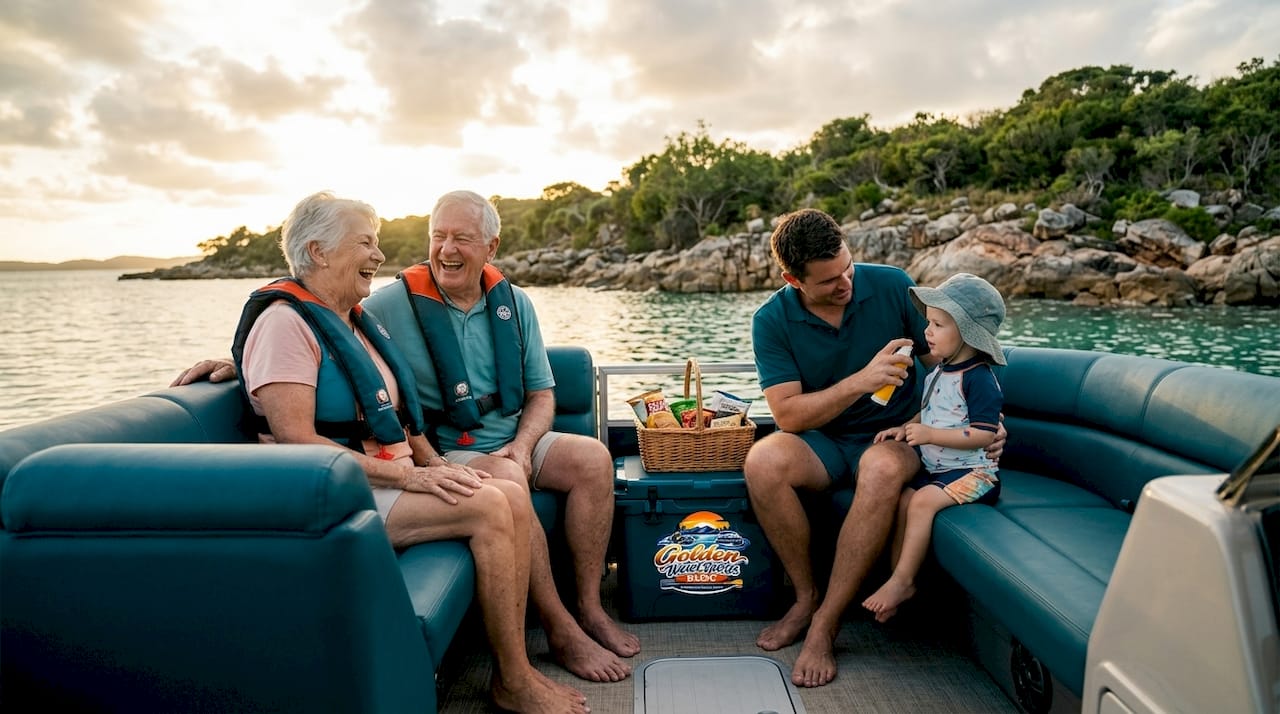
Planning the route matters as much as the boat itself. Routes planned with calm anchor spots at predictable times prevent exhaustion across age groups. Build your loop so you return to a shaded cove around midday for lunch and naps, then resume cruising in the cooler afternoon. That structure keeps energy levels stable from the youngest to the oldest passenger.
Here is a practical sequence for a family pontoon outing:
-
Morning cruise (9 to 11 a.m.): Cover the most scenic stretch while energy is high and the water is calm.
-
Swim stop (11 a.m. to noon): Anchor in a shallow, protected cove. Bring a floating mat for younger kids.
-
Lunch and rest (noon to 1:30 p.m.): Stay anchored. Pack a cooler with sandwiches, fruit, and plenty of water.
-
Tow-along games (1:30 to 3 p.m.): Inflate a tube or towable for older kids while younger ones nap or play on deck.
-
Return cruise (3 to 4:30 p.m.): Slower pace, shaded seating, and a stop for ice cream at a marina if the route allows.
Safety gear is non-negotiable. USCG-approved life jackets come in infant, child, youth, and adult sizes. Every passenger needs the correct size before the boat leaves the dock. Goldenwatersports includes safety equipment with every rental, so you are not scrambling at the last minute.
Pro Tip: Pack a small first-aid kit, sunscreen rated SPF 50 or higher, and a dry bag for phones. Pontoon decks get wet, and sun exposure on open water is significantly stronger than on land.
3. Self-drive and specialty pontoon experiences
Some of the most memorable pontoon boat trip ideas involve handing you the wheel of a vessel small enough to take anywhere. Self-drive mini pontoon tours in the Florida Keys last about four hours, carry a maximum of two passengers, and have a weight limit of 440 pounds including gear. That constraint is actually a feature. You set your own pace, stop at sandbars you choose, and reach mangrove channels that larger tour boats cannot enter.
At the opposite end of the scale, combined helicopter and pontoon tours at destinations like the Grand Canyon deliver guided commentary and smooth, comfortable rides from two completely different vantage points. You see the canyon from the air, then float the Colorado River at water level. The contrast is striking and worth the premium price for groups who want a once-in-a-decade experience.
| Trip type | Duration | Group size | Best for |
|---|---|---|---|
| Self-drive mini pontoon | 4 hours | 2 passengers max | Couples, solo travelers |
| Guided scenic lake tour | 2 to 3 hours | 6 to 12 passengers | Families, first-timers |
| Sunset cruise with beach stop | 3 to 4 hours | 4 to 8 passengers | Romantic trips, small groups |
| Helicopter plus pontoon combo | 4 to 6 hours | 4 to 6 passengers | Adventure seekers, special occasions |
| Full-day charter | 6 to 8 hours | 4 to 10 passengers | Anglers, mixed-age groups |
-
Booking tip: Self-drive tours require a valid driver’s license and a brief safety orientation. Reserve at least two weeks ahead during peak summer months.
-
Duration tip: Sunset cruises in tropical destinations book out fastest. Lock in your slot before 10 a.m. on the day of departure.
-
Group size tip: Pontoons rated for 10 to 12 passengers feel most comfortable at 8. Leave room for gear, coolers, and movement.
4. Drop-in and community pontoon rides
Not every pontoon outing requires a charter or a rental reservation made weeks in advance. Community recreation programs across the country run drop-in pontoon rides that cost almost nothing and require zero boating experience. Drop-in pontoon rides in Madison, Wisconsin run from June 1 through September 30 at $5 per person, with children age 3 and under riding free. That price point makes lake access realistic for families who cannot afford a full rental day.
These programs also offer specialty trips including narrated tours, meal cruises, and youth outings through localized community recreation departments. Narrated tours are particularly good for first-time boaters because a guide handles all navigation and provides context for what you are seeing. Meal cruises add a social dimension that turns a boat ride into an event.
Here is how drop-in programs typically work:
-
Arrive early. Most drop-in programs operate on a first-come, first-served basis with limited seats per departure.
-
Check seasonal schedules. Availability is almost always tied to summer months, typically June through Labor Day.
-
Confirm age and accessibility accommodations. Many programs reserve front-row seating for guests with mobility needs.
-
Bring cash or a card. Pricing is usually per person, with discounts for seniors and free rides for young children.
-
Ask about specialty departures. Narrated wildlife tours and evening cruises often run on specific days and sell out faster than standard rides.
Drop-in programs are also the lowest-risk way to introduce a nervous family member to boating. The vessel is staffed, the route is predictable, and the duration is short enough that no one feels trapped.
5. Fishing pontoon trips
Fishing from a pontoon is a fundamentally different experience than fishing from a bass boat or a kayak. The deck space lets four to six anglers spread out without tangling lines, and the stable platform means you can stand, cast, and reel without bracing against the hull. Lakes like Liberty Lake in Washington offer calm, clear water with accessible shoreline coves that hold bass, perch, and trout within easy casting distance of a drifting pontoon.
The best fishing pontoon trips combine two or three anchor spots across a half-day route. Start near submerged structure in the morning when fish are most active, drift to open water mid-morning, then anchor near a shaded bank for a final session before heading in. Bring a live well or a cooler with ice if you plan to keep your catch. Most rental pontoons have rod holders built into the railing, which keeps gear organized and hands free between bites.
6. Sunset and evening pontoon cruises
Sunset cruises are the most socially versatile pontoon trip format. They work for anniversary dinners, birthday celebrations, bachelorette parties, and casual friend groups with equal effectiveness. The light on the water during the last 90 minutes before dark is genuinely different from anything you see during the day. Colors shift from gold to orange to deep red, and the reflection doubles the effect on calm water.
The practical structure of a sunset cruise is simple. Depart about two hours before local sunset, cruise to a scenic point or open bay, anchor for the peak light, then return in the early dark. Bring a Bluetooth speaker, a cooler with drinks, and a string of battery-powered lights for the return trip. Lakes near mountain ranges, like Coeur d’Alene in Idaho, add an extra dimension because the peaks catch the last light long after the water goes dark.
7. How to choose the best pontoon trip for your group
Choosing the right pontoon outing comes down to four variables: group size, activity preference, accessibility needs, and budget. A family with toddlers and grandparents needs a different trip than a group of college friends who want to tube and swim all day.
| Group profile | Recommended trip type | Key priority | Budget range |
|---|---|---|---|
| Multi-generational family | Scenic lake chain tour with swim stop | Comfort and accessibility | Moderate |
| Young adults | Sunset cruise or self-drive mini pontoon | Activity and scenery | Low to moderate |
| Anglers | Half-day fishing charter | Fish access and deck space | Moderate to high |
| First-time boaters | Community drop-in narrated tour | Safety and simplicity | Low |
| Special occasion group | Helicopter plus pontoon combo | Unique experience | High |
Match your trip length to the youngest and oldest members of your group. A four-hour outing is the practical ceiling for groups that include children under five or adults over 75. Beyond that, fatigue and sun exposure become real factors that affect everyone’s enjoyment.
Pro Tip: Always check the lake’s no-wake zones before planning your route. Pontoons handle no-wake zones fine, but knowing where they are helps you time your cruise so you hit open water during the most scenic parts of the day.
Key takeaways
The most enjoyable pontoon boat trips are planned around the group’s energy levels, not just the destination.
| Point | Details |
|---|---|
| Scenic routes beat open water | Narrow canals with tree canopies deliver more memorable experiences than wide-open lake cruising. |
| Multi-generational design matters | Wide decks, non-slip floors, and stable hulls make pontoons the safest choice for mixed-age groups. |
| Drop-in programs lower the barrier | Community rides at $5 per person make lake access realistic for families on tight budgets. |
| Match trip length to your group | Four hours is the practical limit for outings that include very young children or older adults. |
| Plan rest stops deliberately | Looping routes with calm anchor spots at predictable times prevent exhaustion and keep moods positive. |
What I’ve learned from planning pontoon trips across different lakes
I have watched a lot of well-intentioned lake days fall apart by 2 p.m. The culprit is almost never the boat. It is the schedule. Groups try to pack in too many stops, push through lunch to reach a destination, and end up with cranky kids and sunburned adults who just want to go home. The pontoon itself is not the problem. The planning is.
The trips that actually work share one trait: they build in more time than anyone thinks they need. A 90-minute scenic cruise with one long swim stop and a proper lunch break beats a five-stop marathon every time. Pontoons are not speed boats. Their value is in the pace, the deck space, and the ability to just sit still on the water without anyone feeling like they are missing something.
I also think people underestimate how much shade matters. On a pontoon with a full bimini top, you can stay out for six hours comfortably. Without shade, two hours feels like punishment. When you are comparing rental options or booking a tour, ask specifically about the canopy coverage before you commit.
The other thing worth saying plainly: do not skip the safety briefing because you think you already know boats. Every lake has its own quirks, no-wake zones, and traffic patterns. Five minutes of local knowledge from a rental staff member at Goldenwatersports has saved more than a few trips from unnecessary stress.
— Lex
Plan your next pontoon trip with Goldenwatersports
Goldenwatersports operates out of Spokane Valley, Liberty Lake, and Coeur d’Alene, putting you within reach of some of the Pacific Northwest’s most scenic water. The team offers pontoon boat rentals with safety equipment included, flexible rental periods, and staff who know the local lakes well enough to point you toward the best swim spots, calm coves, and sunset vantage points. Whether you are planning a multi-generational family outing, a fishing day, or a sunset cruise for a special occasion, Goldenwatersports makes it straightforward to get on the water without the logistics headache. Browse rental options and lake guides to start building your trip around what your group actually wants to do.
FAQ
What are the most popular types of pontoon boat trips?
Scenic lake chain tours, family swim-stop outings, fishing charters, and sunset cruises are the most common formats. Each suits a different group size and activity preference.
How long should a pontoon boat trip be for families with young children?
Four hours is the practical limit for groups that include toddlers or older adults. Build in at least one rest stop with shade and food to keep energy levels stable.
What should I bring on a pontoon trip?
Pack USCG-approved life jackets in the correct size for every passenger, sunscreen rated SPF 50 or higher, a cooler with food and water, a dry bag for electronics, and a first-aid kit.
Are drop-in pontoon rides a good option for first-time boaters?
Yes. Community pontoon programs like those in Madison, Wisconsin offer staffed, narrated rides at low cost, making them the lowest-risk introduction to lake boating available.
Can pontoon boats handle fishing, swimming, and cruising on the same trip?
Pontoons are built for exactly that combination. Their wide decks, stable hulls, and open layouts support rod holders for fishing, swim ladders for water access, and comfortable seating for cruising all in one vessel.