
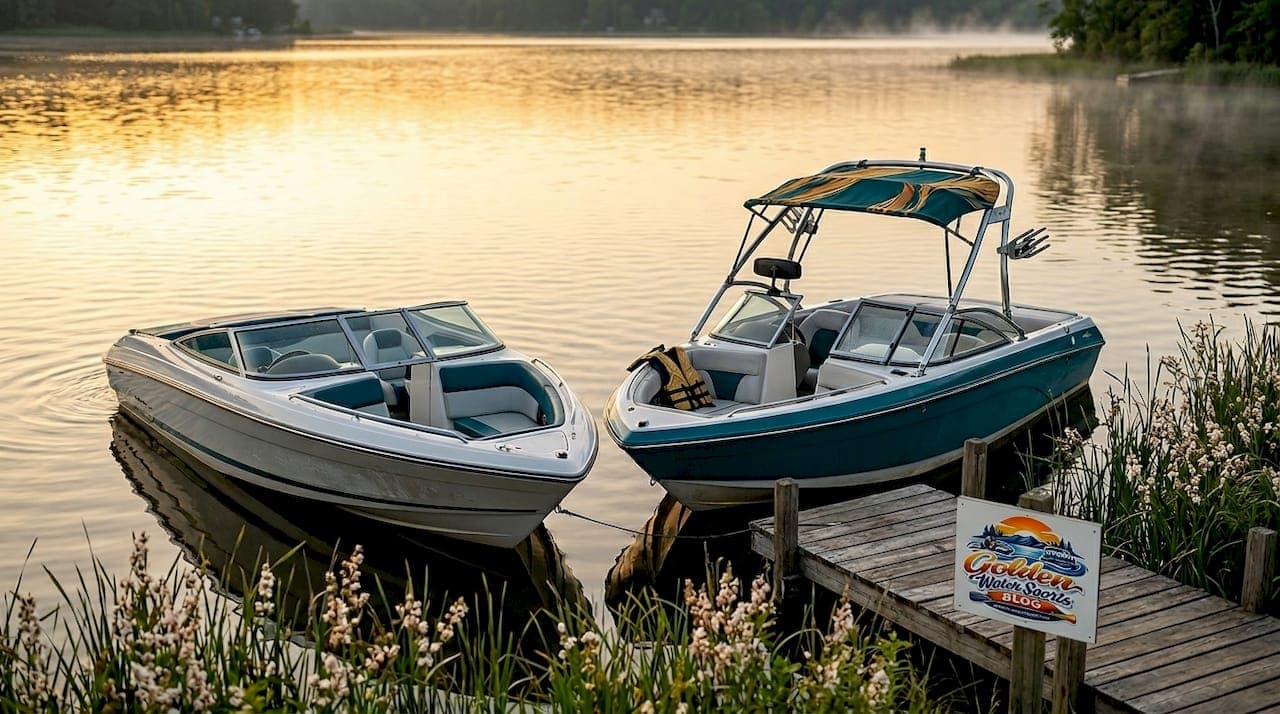
A speedboat is a motorized boat built for high-speed travel and agility on open water, while a ski boat is a specialized type of speedboat engineered to produce the small, flat wakes that water skiers need to stay balanced and in control. Understanding what is a speedboat versus ski boat comes down to one core distinction: general speed performance versus purpose-built towing precision. Most people use these terms interchangeably, but the design differences between them directly determine which water activities you can do well and which you will struggle with. Choosing the wrong boat type is one of the most common and expensive mistakes first-time buyers make.
What design features distinguish speedboats from ski boats?
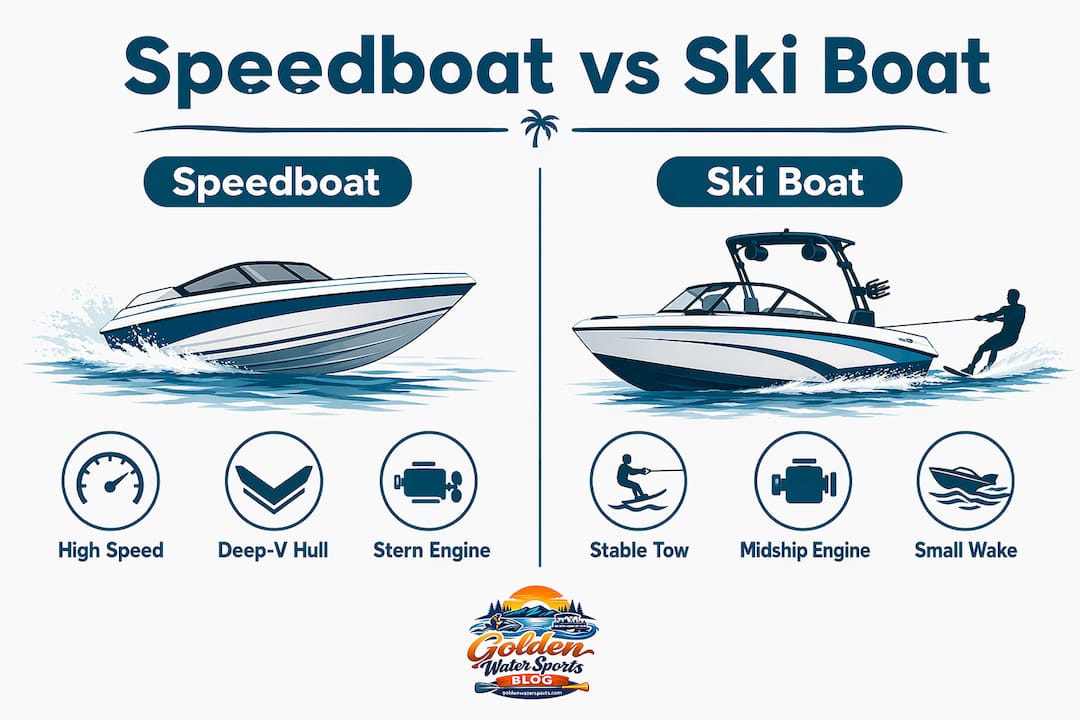
Speedboats are performance-focused motorboats with deep-V planing hulls built to skim across the water surface at speeds typically reaching 60 to 100 knots. That hull geometry prioritizes cutting through chop and reaching high velocity. The engine placement on a speedboat varies widely, from stern-mounted outboards to inboard configurations, depending on the manufacturer and intended use. Nothing about a standard speedboat is optimized for towing a skier behind it.
Ski boats take a different approach entirely. A ski boat's deep-V planing hull is tuned for smooth displacement and stability at skiing speeds, not maximum velocity. The hull shape is specifically designed to minimize the wake it throws off the stern. That smaller, cleaner wake is the whole point.
The engine placement is the most telling design difference between the two:
- Ski boats use midship direct-drive inboard engines, centered in the hull to distribute weight evenly and produce the smallest possible wake
- Speedboats use stern-mounted outboards or varied inboard configurations that prioritize power delivery over wake management
- Ski boat pylons are mounted just forward of the midship engine, creating a direct and level tow angle for slalom and trick skiing
- Speedboats may have a tow point added as an afterthought, but it rarely matches the precision placement found on a dedicated ski boat
Size and weight also separate these two categories. Ski boats average around 3,000 lbs and run between 15 and 20 feet in length. That lighter, shorter profile keeps the wake manageable. Speedboats vary far more widely in both dimensions, and the heavier ones throw considerably larger wakes regardless of hull shape.
Pro Tip: If you are evaluating a used boat for skiing, check the engine placement before anything else. A stern-mounted outboard is an immediate signal that the boat was not designed with towing precision in mind.
How do wakes and tow points differ between speedboats and ski boats?
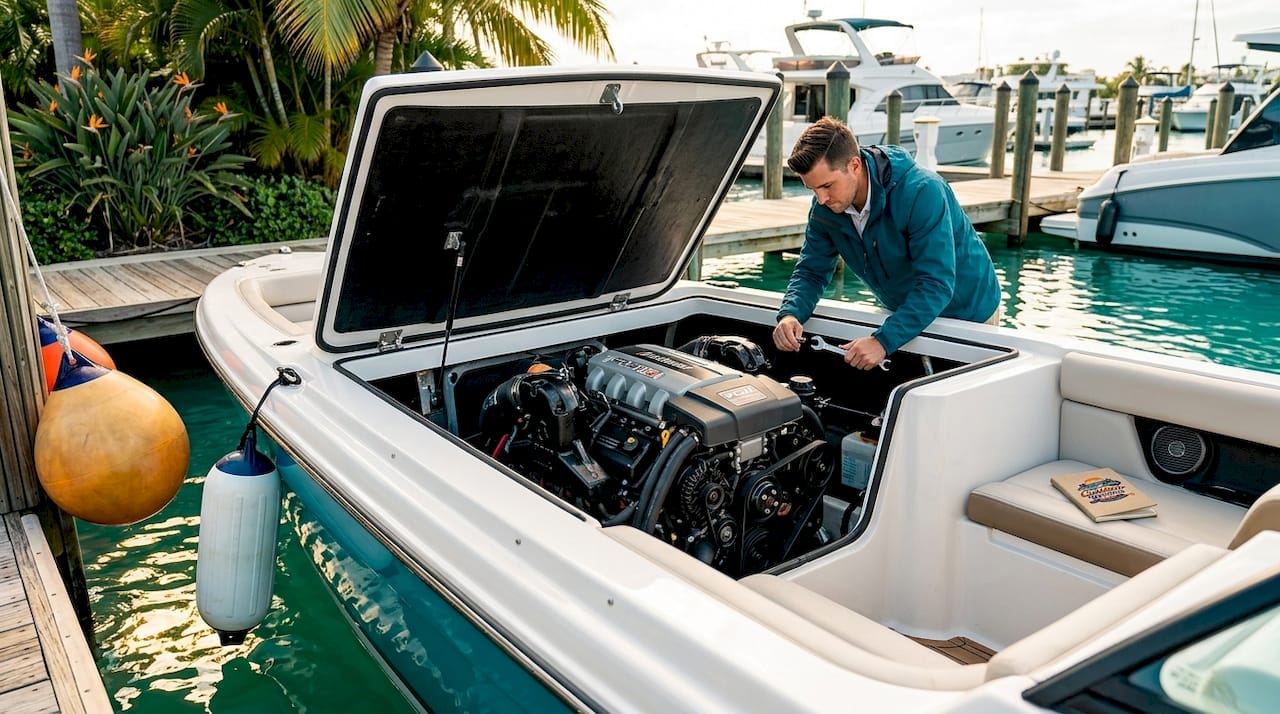
Hull shape is the single most important factor determining wake type and quality. A ski boat's midship inboard engine and centered weight distribution work together with the hull to produce a wake that is narrow, low, and predictable. That consistency is what allows a slalom skier to cross the wake cleanly without losing edge or balance.
Here is how the towing setup on a ski boat differs from a standard speedboat, step by step:
- Engine position: The midship inboard sits at the center of the hull, keeping weight balanced and reducing stern squat at speed.
- Pylon placement: The tow pylon sits just forward of the engine, which keeps the pull angle low and direct. This is critical for slalom skiing, where a level tow line prevents the skier from being pulled upward and off balance.
- Operating speed: Ski boats operate at 28 to 36 mph with midship inboards, a speed range that produces the cleanest wake for skiing disciplines.
- Wake shape: The resulting wake is small, symmetrical, and firm on both sides of the boat's path, giving the skier a consistent edge to work against.
- Tow rope specs: Rope length, elasticity, and connection hardware must match the sport and boat design. Incorrect tow rope setup can ruin performance and create safety hazards regardless of how well the boat itself is configured.
Tow point height adds another layer of specificity. Higher tow points, like wakeboard towers, create an upward pull that gives wakeboarders the lift they need for tricks and airtime. Lower pylons keep the pull horizontal, which is exactly what slalom skiers need for straight, fast runs down the course. A speedboat with a randomly placed tow cleat at the stern delivers neither of these intentional geometries. The pull angle becomes inconsistent, and skier control suffers directly as a result.
Water skiing performance depends on a straight, stable tow line and a consistent pull angle. Midship engine placement and precise pylon location on a ski boat are what make that possible. A general-purpose speedboat simply cannot replicate that geometry without significant modification.
What activities are best suited for each type of boat?
The activity you want to do on the water should drive your boat choice, not the other way around. Ski boats and speedboats are not interchangeable tools, and treating them as such leads to frustrating days on the lake.
Ski boats excel at:
- Slalom skiing, where the skier weaves through a course of buoys and needs a clean, predictable wake to cross
- Trick skiing, which requires a smooth, low wake so the skier can perform spins and jumps without fighting turbulence
- Jump skiing, where consistent boat speed and a firm wake edge are critical for safe ramp approaches
- Beginner water skiing, because the smaller wake reduces the intimidation factor and makes it easier to get up and stay up
Speedboats are better suited for:
- Open-water cruising and recreational speed runs where wake management is irrelevant
- Tubing, where wake size matters far less than it does for skiing disciplines
- General recreation with passengers who want speed and the experience of fast water travel
Wake boats deserve a brief mention here because they are frequently confused with ski boats. Wake boats use ballast systems and run at 10 to 24 mph to create large, tunable wakes specifically designed for wakeboarding and wakesurfing. A wake boat is the opposite of a ski boat in terms of wake philosophy. One minimizes the wake; the other maximizes it. Both are specialized tools. A speedboat is neither.
If your goal is wakesurfing or wakeboarding with big air, a wake boat is the right category. If your goal is traditional water skiing, a ski boat is the right category. If your goal is speed and general fun on the water without a specific towing discipline, a speedboat fits the bill. The mistake most buyers make is assuming one boat can do all three equally well.
Common misconceptions about speedboats, ski boats, and crossover options
The biggest misconception in this space is that any fast boat can serve as a ski boat. Speed alone does not create good skiing conditions. Ski boats track perfectly straight down a slalom course because of engine placement and pylon geometry, not because of raw horsepower. A speedboat with a stern outboard and a cleat-mounted tow rope will pull a skier, but the experience will be noticeably inferior.
The second major misconception is that wake boats and ski boats are the same thing. They are not. Here is a quick comparison:
| Feature | Ski boat | Wake boat |
|---|---|---|
| Wake size | Small and flat | Large and tunable |
| Operating speed | 28 to 36 mph | 10 to 24 mph |
| Engine placement | Midship inboard | Inboard, often with ballast |
| Primary sport | Slalom and trick skiing | Wakeboarding and wakesurfing |
| Average weight | Around 3,000 lbs | 4,000 lbs or more |
Hybrid crossover boats attempt to solve the "one boat for everything" problem. These boats offer adjustable ballast systems and ski pylons, allowing owners to dial in a smaller wake for skiing or add ballast weight for wakeboarding. They are genuinely useful for families with mixed interests. The trade-off is that they do not perform at the top level for either discipline. A competitive slalom skier will notice the difference immediately.
Ballast management requires careful attention. Over-ballasting beyond manufacturer recommendations degrades wake quality and fuel efficiency. Ski boats avoid ballast entirely because their smaller wakes depend on hull design and weight distribution, not added mass.
Pro Tip: If you are considering a crossover boat, ask the dealer to demonstrate both the minimum and maximum ballast configurations on the water before you commit. The difference in wake size and boat handling between those two settings will tell you everything you need to know about whether the boat fits your actual use case.
Key takeaways
A ski boat is a purpose-built towing machine, and a speedboat is a speed-focused watercraft. Treating them as the same category leads to the wrong purchase for your water sports goals.
| Point | Details |
|---|---|
| Core distinction | Ski boats minimize wake for towing precision; speedboats prioritize speed and agility. |
| Engine placement matters | Midship inboard engines on ski boats create smaller wakes and better tow angles than stern-mounted outboards. |
| Tow point height is sport-specific | Low pylons suit slalom skiing; high towers suit wakeboarding tricks and airtime. |
| Wake boats are a third category | Wake boats use ballast to maximize wake size for wakeboarding and wakesurfing, the opposite of ski boats. |
| Crossover boats compromise | Hybrid boats offer flexibility for mixed-use families but sacrifice top-level performance in any single discipline. |
What I have learned from watching people choose the wrong boat
I have seen this play out more times than I can count. Someone buys a sleek speedboat because it looks fast and capable, takes it out for a ski session, and spends the whole afternoon fighting an inconsistent wake and a tow rope that pulls at the wrong angle. The frustration is real, and it was entirely avoidable.
The thing most articles do not tell you is that the feel of the tow line matters as much as the boat's speed. When a ski boat is set up correctly, the pull is steady, level, and almost invisible. You forget the boat is there. When a speedboat is pulling you with a cleat at the stern and a rope that is too elastic, every acceleration surge translates directly into your arms. It is exhausting in a way that has nothing to do with your fitness level.
My honest recommendation for first-time buyers: be honest about what percentage of your time on the water will involve actual skiing versus general cruising. If skiing is more than 30 percent of your planned use, a dedicated ski boat from a brand like Mastercraft or Malibu will pay for itself in enjoyment within the first season. If skiing is occasional and cruising is the priority, a crossover or a general runabout makes more financial sense.
Safety is the other factor people underestimate. Tow rope length, elasticity, and secure mounting points vary by sport and boat design. Using the wrong rope on the wrong boat creates real hazards. Before you tow anyone, verify that your tow point is rated for the load, your rope matches the sport, and your spotter knows the hand signals. The boat type matters, but the setup details matter just as much.
— Lex
Try different boat types before you buy
If you are still weighing your options between a ski boat and a speedboat, the best decision you can make is to get on the water in both before spending a dollar on ownership.
Goldenwatersports offers ski boat rentals on Liberty Lake, Coeur d'Alene, and the surrounding lakes in the Spokane Valley area. You can test the feel of a purpose-built ski boat tow setup, experience the wake difference firsthand, and figure out exactly which type of boat matches your water sports goals. Goldenwatersports provides safety equipment, flexible rental periods, and a team that can answer your questions on the spot. Check out the full range of watercraft rental options and book a day on the water before you commit to a purchase.
FAQ
What is the main difference between a speedboat and a ski boat?
A speedboat is designed for high-speed travel and general performance, while a ski boat is a specialized type of speedboat built to produce small, flat wakes and precise tow angles for water skiing. The engine placement and hull tuning are fundamentally different between the two.
Can you water ski behind a regular speedboat?
You can tow a skier behind a speedboat, but the experience will be noticeably inferior to a dedicated ski boat. Stern-mounted outboards and non-centered weight distribution create larger, less consistent wakes and less precise tow angles that make skiing harder and more tiring.
What speed does a ski boat run for water skiing?
Ski boats with midship inboard engines operate at roughly 28 to 36 mph for water skiing, a speed range that produces the cleanest and most manageable wake for slalom and trick disciplines.
Are wake boats and ski boats the same thing?
No. Wake boats use ballast systems to create large, tunable wakes for wakeboarding and wakesurfing, typically running at 10 to 24 mph. Ski boats do the opposite, minimizing wake size for traditional water skiing at higher speeds.
What is a crossover boat?
A crossover boat is a hybrid watercraft that combines adjustable ballast systems with ski pylons, allowing owners to configure the boat for either skiing or wakeboarding. These boats offer flexibility for mixed-use families but do not match the peak performance of a dedicated ski boat or wake boat in their respective disciplines.