
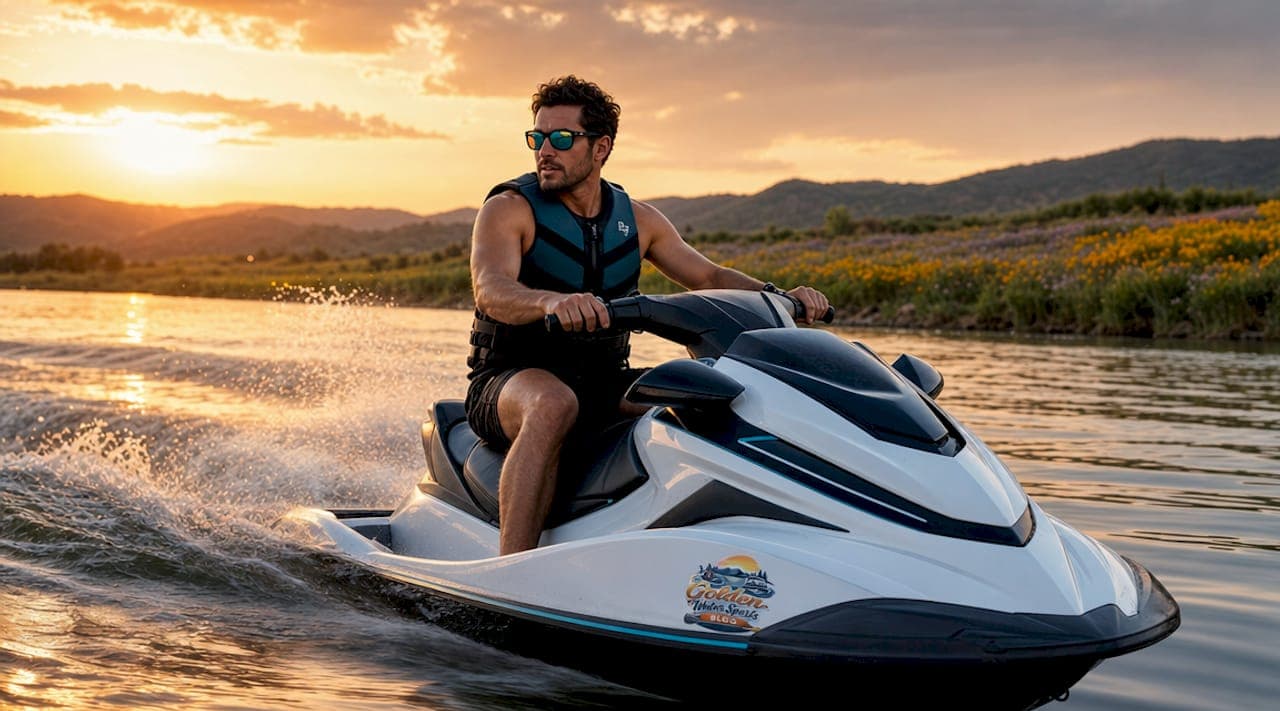
Freshwater lakes are the most rider-friendly environment for jet skiing, combining calm water surfaces, minimal corrosion risk, and well-developed recreational infrastructure that no ocean setting can match. Whether you're picking up a Yamaha WaveRunner for the first time or planning a full-day ride across branching coves and shoreline arms, the physics and practicalities of freshwater work in your favor. This article breaks down exactly why freshwater lakes suit jet skiing so well, covering everything from equipment performance to beginner safety, regulations, and the best lakes for jet skiing in the Pacific Northwest.
Why freshwater lakes suit jet skiing better than saltwater
Freshwater lakes offer three structural advantages over saltwater: predictable surface conditions, reduced equipment wear, and shoreline variety that extends every ride. These aren't minor perks. They change the entire character of a day on the water.
The surface of a freshwater lake stays calm because there's no tidal surge, no ocean swell, and far less maritime traffic than coastal waters. Calm, visible water with less traffic lets riders stay closer to the shoreline, which lowers risk and builds confidence faster. That matters whether you're a first-timer or an experienced rider pushing speed through a narrow cove.
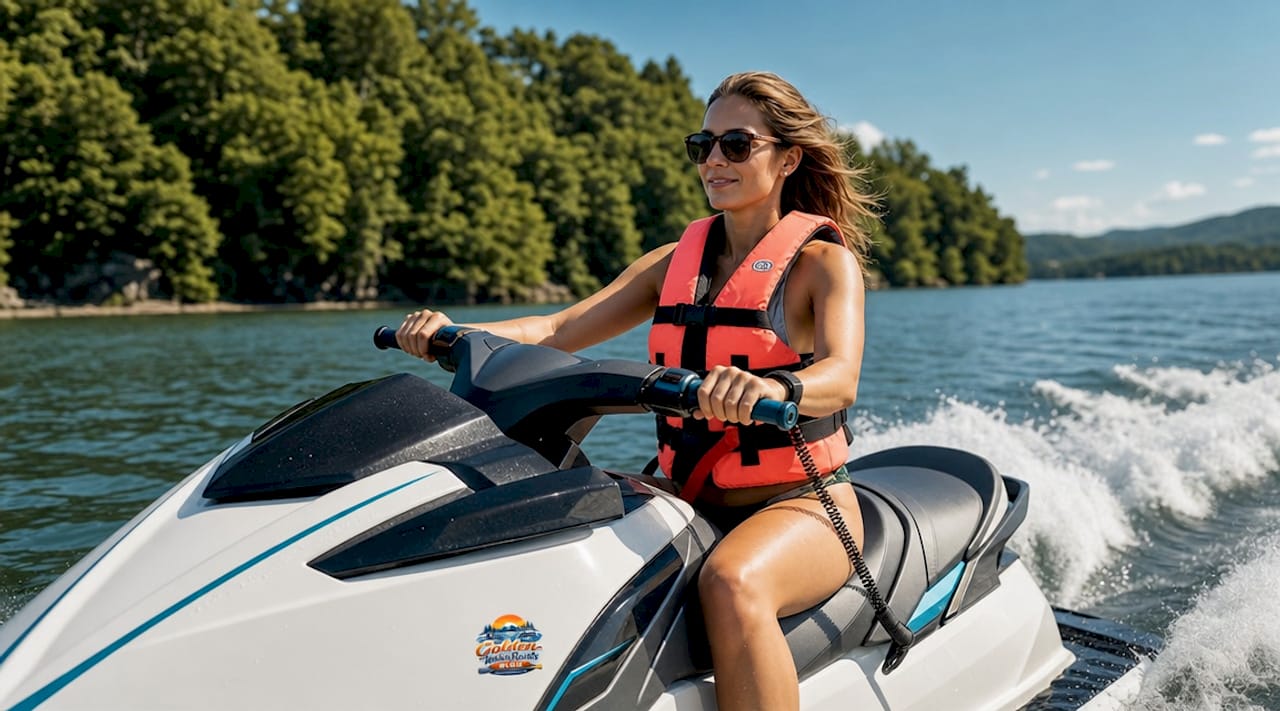
Water temperature is another factor that shapes the jet skiing experience. At destinations like Lake Havasu, water temps above 80°F from June through September create ideal riding conditions for a full four-month season. That kind of consistency lets you plan trips without guessing whether the water will cooperate.
Here's what sets freshwater lakes apart from the ocean at a practical level:
- No salt corrosion. Saltwater attacks metal components, seals, and engine parts aggressively. Freshwater contains far fewer corrosive minerals, which directly extends equipment life.
- Shoreline diversity. Coves, arms, inlets, and shallow bays create natural variety in every ride. You're not just going back and forth on open water.
- Lower traffic density. Most freshwater lakes see far less boat traffic than popular coastal zones, which means more open water and fewer collision risks.
- Predictable weather windows. Inland lakes are less exposed to sudden maritime weather shifts, making trip planning more reliable.
Pro Tip: Plan your freshwater lake ride early in the morning. Wind picks up on most inland lakes by midday, and the glassy morning surface is the best riding condition you'll find anywhere.
How does freshwater improve jet ski performance and maintenance?
Jet skis perform better mechanically in freshwater because fewer corrosive minerals reduce wear on metal parts, seals, and engine components compared to saltwater exposure. This isn't just a long-term maintenance benefit. It affects how the machine feels and responds on every ride.

Corrosion and component lifespan
Saltwater is relentless on metal. Impeller housings, exhaust components, and cooling system passages all degrade faster in saline environments. Freshwater riders deal with far less of this, which means post-ride flushing is simpler and less urgent. A freshwater rinse after a lake session is precautionary. After an ocean session, it's mandatory.
Buoyancy and handling differences
Saltwater is denser than freshwater, which means a jet ski sits slightly higher in the ocean. In freshwater, the hull sits a fraction lower in the water, which shifts the center of gravity and changes how the craft responds to throttle and turning inputs. Most riders notice this as a slightly more planted, connected feel on freshwater. It's subtle, but experienced riders appreciate the difference.
High-altitude lake considerations
Not all freshwater lakes are at sea level. Thinner air at high-altitude lakes reduces engine power output, since internal combustion engines rely on oxygen density. If you're riding at elevation, expect slightly reduced top-end performance and adjust your throttle expectations accordingly.
Here's a direct comparison of freshwater versus saltwater for jet ski use:
| Factor | Freshwater lakes | Saltwater/ocean |
|---|---|---|
| Corrosion risk | Low | High |
| Post-ride maintenance | Simple rinse | Thorough flush required |
| Surface conditions | Calm, predictable | Variable, surge-prone |
| Traffic density | Lower | Higher in coastal zones |
| Hull buoyancy | Slightly lower | Higher due to salt density |
| Engine performance | Standard (altitude dependent) | Standard at sea level |
- Rinse the hull and engine intake after every freshwater session to remove organic debris.
- Inspect impeller and wear ring annually rather than after every few rides.
- Check cooling passages less frequently than you would for a saltwater craft.
- Monitor fuel consumption at altitude, since engines work harder in thinner air.
Pro Tip: If you rent a Yamaha WaveRunner from a freshwater lake operator like Goldenwatersports, the maintenance burden is already handled for you. You show up, ride, and return the craft without worrying about post-session care.
What makes freshwater lakes ideal for beginners?
Beginners reach comfort with jet ski controls within 20 to 30 minutes on calm freshwater lakes, which is significantly faster than on ocean waters where chop and surge add unpredictable variables. That learning curve difference is the single strongest argument for starting on a lake.
The reasons freshwater lakes accelerate skill development go beyond just calm water:
- Visible bottom and clear water. Many freshwater lakes offer good visibility, which reduces anxiety for new riders who want to see what's beneath them.
- Controlled traffic environments. Fewer boats and jet skis on the water means fewer close-call situations while you're still learning throttle control and turning radius.
- Shoreline proximity. Staying closer to shorelines while learning lowers risk and gives beginners a visual reference point for speed and distance.
- Gradual depth changes. Unlike ocean drop-offs, most lake shorelines slope gradually, which makes accidental shallow-water entries less dangerous.
- Predictable wind patterns. Morning sessions on inland lakes are typically calm, giving beginners the flattest possible surface to practice on.
The psychological component matters too. When you can see the shore, gauge your distance from other watercraft, and feel the machine responding predictably, confidence builds fast. Ocean jet skiing demands that you manage all of those variables simultaneously from the first minute. Freshwater lakes let you add complexity at your own pace.
How do lake regulations and infrastructure shape the experience?
Freshwater lakes function as rideable systems with accessible ramps, route diversity, and recreation infrastructure that extends the riding experience well beyond a simple loop on open water. That framing changes how you plan and enjoy a day on the lake.
Most freshwater lakes managed for recreation include boat ramps, designated PWC zones, fuel docks, and nearby camping or lodging. Green River Lake State Park in Kentucky is a strong example: branching shoreline arms create varied, day-long routes that experienced riders treat as planned circuits rather than open-ended cruising. Riders plan routes considering wind direction, no-wake zones, and cove access to maximize both safety and enjoyment.
Regulations on freshwater lakes do impose real limits. Noise restrictions and no-wake zones are standard at most managed lakes, protecting shoreline ecosystems and residential areas near the water. These rules reduce the available high-speed zones, but they also keep lakes accessible and ecologically healthy for long-term use.
| Infrastructure element | Benefit for jet skiers |
|---|---|
| Boat ramps and launch areas | Easy water access without trailering challenges |
| Designated PWC zones | Clear legal riding areas reduce conflict with other users |
| Fuel docks | Extended ride duration without returning to shore |
| No-wake zones | Protect shorelines and reduce collision risk near docks |
| Camping and lodging | Multi-day riding trips become practical |
Respecting local lake regulations isn't just a legal requirement. It's what keeps these lakes open to personal watercraft use year after year. Lakes that see consistent regulation violations often face stricter PWC restrictions or outright bans. Riders who follow the rules protect access for everyone. For a practical guide on how to behave on the water, the jet ski etiquette rules every lake rider should know are worth reading before your first session.
Key takeaways
Freshwater lakes suit jet skiing because they combine calm, predictable surfaces with lower corrosion risk and structured recreational infrastructure that saltwater environments simply cannot offer.
| Point | Details |
|---|---|
| Calm surface conditions | Freshwater lakes lack tidal surge and heavy traffic, reducing risk for all skill levels. |
| Lower maintenance burden | Fewer corrosive minerals in freshwater extend equipment life and simplify post-ride care. |
| Faster beginner learning | Riders reach control confidence within 20 to 30 minutes on calm lake surfaces. |
| Rideable system infrastructure | Boat ramps, PWC zones, and shoreline variety create full-day riding experiences. |
| Regulation compliance matters | Respecting no-wake zones and noise rules keeps freshwater lakes open to PWC use long-term. |
What I've learned from years on freshwater lakes
The first time I rode a jet ski on a lake after years of coastal experience, the difference was immediate. The water felt cooperative rather than combative. There was no surge pushing the nose sideways, no salt spray stinging my eyes, and no anxiety about what the next wave would do to my line. I could actually focus on riding instead of managing conditions.
What surprised me more was the terrain. I'd assumed lakes would feel monotonous compared to the open ocean. The opposite is true. A well-chosen freshwater lake has more riding variety per square mile than most ocean stretches. Coves force you to slow down and navigate. Open arms reward speed. Shallow bays demand precision. You're constantly making decisions, which is exactly what keeps riding interesting over a full day.
The maintenance argument is real, but it's not the main reason I prefer freshwater. The main reason is that freshwater lakes let you ride with your full attention on the experience rather than on survival. That's not a knock on ocean riding. It's an acknowledgment that lakes are purpose-built for the kind of recreational jet skiing most people actually want to do.
Liberty Lake, Coeur d'Alene, and the lakes around Spokane Valley are genuinely excellent examples of what a freshwater riding system looks like when the infrastructure is right. If you haven't explored them yet, you're missing the best jet skiing in the Pacific Northwest. Check out the Liberty Lake swim areas guide for a sense of how much variety a single lake can hold.
— Life is better on water.
Get on the water with Goldenwatersports
Goldenwatersports puts you on a Yamaha WaveRunner at some of the best freshwater lakes in the Pacific Northwest, including Coeur d'Alene, Liberty Lake, and the lakes surrounding Spokane Valley. Every rental includes safety equipment, flexible rental periods, and a team that knows these lakes well enough to point you toward the best routes, coves, and open-water stretches for your skill level.
Whether you're a first-timer looking for a calm surface to build confidence or an experienced rider ready to spend a full day working through shoreline arms and open water, Goldenwatersports has the right craft and the local knowledge to make it happen. Visit Goldenwatersports to check availability and book your freshwater lake session. You can also explore the full range of Coeur d'Alene rentals to find the option that fits your group and your day.
FAQ
Why are freshwater lakes better for jet skiing than the ocean?
Freshwater lakes offer calm, predictable surfaces without tidal surge or heavy maritime traffic, making them safer and more enjoyable for riders of all skill levels. The absence of salt also reduces corrosion on jet ski components, lowering maintenance requirements compared to ocean use.
How long does it take a beginner to learn jet skiing on a lake?
Beginners typically reach comfort with jet ski controls within 20 to 30 minutes on calm freshwater lakes, which is faster than on ocean waters where chop and surge add difficulty. The calm, visible water and proximity to shorelines accelerate the learning process significantly.
Do freshwater lakes have rules for jet skiing?
Most managed freshwater lakes enforce noise restrictions and no-wake zones to protect shoreline ecosystems and residential areas. Riders should check local regulations before launching, since designated PWC zones vary by lake and season.
Does water type affect how a jet ski handles?
Saltwater is denser than freshwater, so a jet ski sits slightly higher in the ocean and slightly lower in a lake. The difference is subtle but noticeable in throttle response and turning feel, with freshwater generally providing a more planted, connected ride.
What are the best freshwater lakes for jet skiing in the Pacific Northwest?
Coeur d'Alene, Liberty Lake, and the lakes surrounding Spokane Valley rank among the top freshwater destinations for jet skiing in the region. These lakes combine warm summer water temperatures, varied shoreline terrain, and strong rental infrastructure for a complete riding experience.