
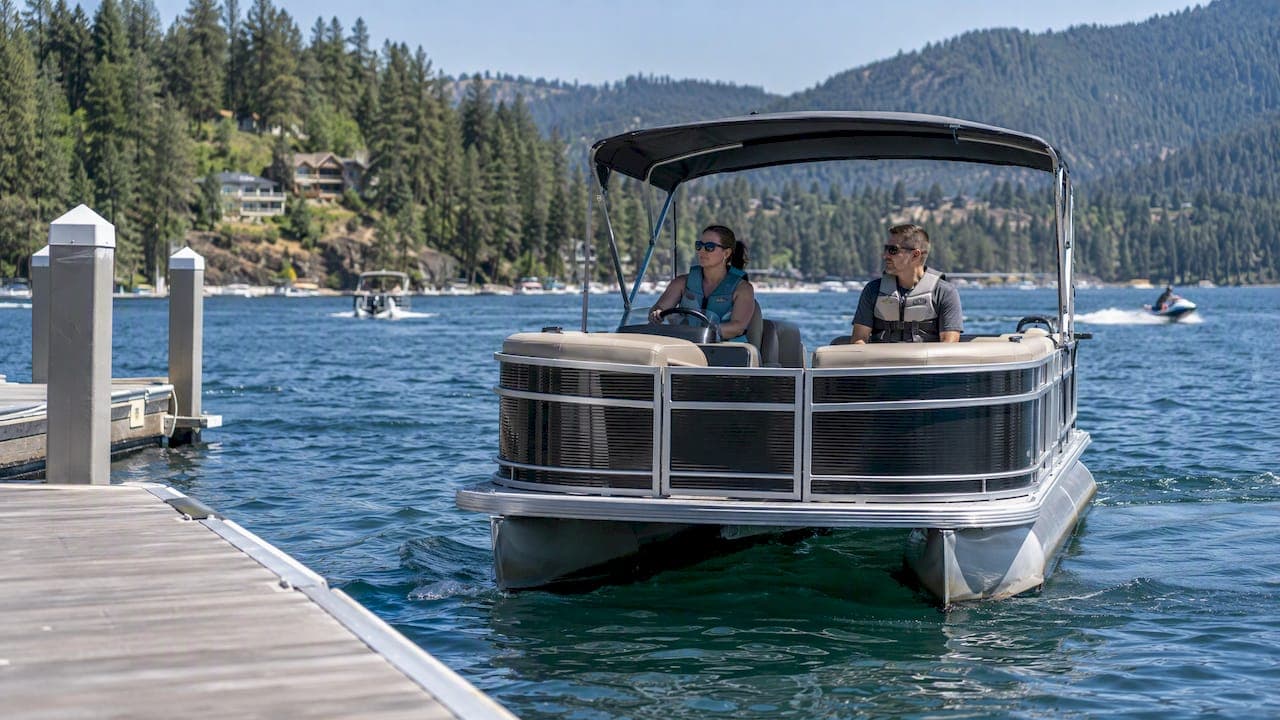
Most boat rentals run on fixed windows, typically half-day or full-day, and your exact return time is printed on your reservation. Late returns almost always trigger per-30-minute or hourly fees, while returning early usually earns no refund. Sunset and daylight rules often set the hard outer limit on how late you can bring the boat back.
TL;DR:
- Half day bookings often run from 8 AM to noon or 1 PM to 5 PM, while full day rentals may end around 5 PM.
- Some operators replace timed overage fees with a full extra half day or day after a threshold, charging the card on file.
- Operators are more likely to accommodate a schedule change requested before rental day than an early return requested after your booking has started.
- Check whether your agreement requires refueling, and photograph the boat’s condition at departure and return to document damage and reduce billing disputes.
- State rules on boating after sunset vary, while slow zones, bridges, or fuel stops can delay you; plan to reach shore before dark.
Table of Contents
- Typical Rental Windows and Example Schedules
- Why Return Times Vary by Operator, Boat, and Season
- What Happens if You Return the Boat Late
- Returning Early: What You Should Actually Expect
- Fuel, Refueling, and Your Return Checklist
- Why Sunset and Daylight Rules Shape Return Times
- How to Plan Your Return Without Cutting It Close
- Why We Set Firm Return Windows
- How Golden Water Sports Keeps Return Times Simple
- FAQ
- Sources
Typical Rental Windows and Example Schedules
Rental operators generally split their day into predictable blocks. Half-day rentals commonly run morning (around 8am to noon) or afternoon (1pm to 5pm), giving two groups a shot at the same boat in one day. Full-day rentals often span something like 8am to 5pm, covering most of the available daylight.

Some operators sell four-hour windows that start whenever you book, rather than fixed clock times, which gives you more flexibility but still locks you into a hard return deadline once your clock starts. Multi-day and weekend rentals work differently again: instead of an hourly cutoff, you're usually given a specific return date and a drop-off time on that final day, with its own inspection and fueling steps.
Whatever the format, the exact pickup and return window is what actually controls your bill. Booking confirmations and rental agreements spell out start and end times precisely because that line is what late fees, deposits, and refund decisions get measured against. If you're planning a longer trip, it helps to look over a multi-day rental checklist before you lock in dates, since return-day logistics differ from a standard single-day booking.
Why Return Times Vary by Operator, Boat, and Season
No two rental fleets run on identical schedules, and that's by design. Many operators stagger departures and returns across their fleet so that cleaning, refueling, and safety checks don't all pile up at once. If you book the first slot of the day, your return time will look different from a renter who booked the last afternoon block.
Boat type matters too. A pontoon built for a slow cruise and a lunch stop turns around differently than a ski boat or a personal watercraft meant for faster, shorter outings. Delivery service changes the math again: if your boat or jet ski is dropped at a dock or beach instead of picked up at a yard, your window often starts and ends at the delivery point rather than at the rental counter.
Season plays a role as well. Longer summer daylight gives operators more room to offer later afternoon or early evening returns, while shoulder-season bookings tend to compress toward midday.
What Happens if You Return the Boat Late
Running late on a boat rental rarely goes unnoticed and almost never goes unbilled. Most agreements spell out exactly what a late return costs before you ever leave the dock.
- Overage fees are common, with operators charging for time past your scheduled return.
- Threshold penalties kick in after a certain point, where some operators bill you for a full extra half-day or full day once you're significantly overdue.
- Automatic enforcement is standard: staff log your check-in time against the clock, and overage charges are typically billed straight to the card on file rather than negotiated after the fact.
Beyond the fee itself, a late return can bump into the next customer's start time, delay refueling, or push back the maintenance checks a boat needs between rentals. That ripple effect is part of why operators hold the line on return times rather than treating them as a suggestion.
Returning Early: What You Should Actually Expect
Bringing the boat back ahead of schedule feels responsible, but it rarely changes what you owe. Most operators do not issue partial refunds or credit for unused time once a rental period has started, treating the booked window as the service you paid for regardless of when you finish.
- No automatic credit: early return typically does not reduce your charge or carry over to a future booking.
- Exceptions are rare: a schedule change requested well before your rental date is far more likely to be accommodated than a request made after you're already on the water.
- Confirm before you book: ask directly about early-return policy at reservation time so you're not assuming flexibility that isn't actually offered.
Fuel, Refueling, and Your Return Checklist
Fuel policy is one of the most common sources of surprise charges, so it's worth understanding before you leave the dock. The typical setup: boats go out with a full tank, and you're expected to meet the owner or return to a specific pump to top it off before handing the keys back, paying only for the fuel you actually burned. Exact costs vary by boat size and how far you traveled, so check your reservation or pricing page for current figures rather than guessing.
A short checklist at return keeps this simple: photograph the boat's condition, check the engine and any visible damage, confirm drain plugs are in place, and know exactly where you're meeting staff for the fuel check. Handling these steps calmly, rather than rushing them at the last minute, is usually what separates a clean return from a dispute over charges.
Why Sunset and Daylight Rules Shape Return Times
Safety, not just scheduling, is the real reason most return windows end well before dark. USCG boating safety guidance points to navigating unfamiliar water after sunset as a leading contributor to recreational boating accidents, which is why experienced operators build their return deadlines around daylight rather than the latest possible hour.
State boating-law summaries reinforce this from a regulatory angle: many states prohibit personal watercraft or rental-boat operation between sunset and sunrise unless the vessel carries specific equipment and the operator meets additional requirements. Rules differ by state, so it's worth confirming the specifics for where you're boating and planning to be back on shore comfortably before sunset, not right at the deadline.
How to Plan Your Return Without Cutting It Close
A little buffer goes a long way toward avoiding both late fees and a rushed, unsafe trip back. Build in extra slack to cover slow-no-wake zones, bridge openings, or a fuel stop that takes longer than expected.
- Confirm your exact pickup and return point along with a phone number before you leave the dock.
- Leave a float plan with someone on shore noting your route and expected return time.
- Take photos of the boat's condition at departure and again at return.
- Refuel before you arrive back if that's part of your agreement.
- Confirm the check-in procedure so you know exactly who to find when you dock.
Pro Tip: Ask at booking whether staff will call to confirm your return time and whether you can purchase an extra hour mid-rental if your plans run long. For more first-timer timing habits, our lake rental guide covers the basics worth knowing before your first trip out.
Why We Set Firm Return Windows
From an operator's seat, return times aren't arbitrary. They're built around maintenance turnaround, refueling slots, and the next group waiting at the dock, plus the same daylight safety concerns that shape state boating rules. We try to make expectations clear upfront, remind renters of their return time, and help renters plan for fewer surprises. Ask specific questions when you book so nothing catches you off guard later.
— Life is better on water.
How Golden Water Sports Keeps Return Times Simple
We build flexibility into our rentals rather than locking every guest into one rigid block. Our hourly and multi-day options mean you can pick a window that fits your day, and when things are going well on the water, check our Additional Hour add-on for options to extend your time.
- Check exact return windows and current rates on our prices page before you book.
- Browse jet skis, pontoons, paddleboards, and water toys on our main rentals page to find the right fit for your group.
- Call ahead or book online to confirm your return-time arrangement so everyone's on the same page before you leave the dock.
Reserve your spot on the water and lock in a return schedule that actually works for your plans.
FAQ
What are low hours on a boat?
Low hours generally refers to the number of hours a boat's engine has run over its lifetime, with lower totals suggesting less wear. This term applies mainly to boats you'd buy or own long-term rather than a single rental outing, where your own usage is measured in hours or days of the booking itself.
How expensive is it to rent a boat for a day?
Day rates vary widely by boat type, size, and location, so there's no single market-wide figure to quote. Check a specific operator's current pricing page for an accurate rate rather than relying on a general estimate.
How fast do rental pontoons go?
Pontoon speed depends on the boat's engine size and load, and rental operators don't publish a single standard figure across the industry. Ask your specific rental provider about the boat's top speed and any posted speed limits for the lake you're visiting.
Is 200 hours a lot of hours on a boat?
Whether a certain number of hours counts as high or low depends on the boat's age and how it's been maintained, similar to mileage on a car. This question matters more for boat buyers evaluating a used vessel than for rental customers, whose usage is tracked per booking rather than lifetime hours.